Cursed Family: True Stories of Inherited Bad Luck

Some families swear they’re shadowed by more than bad luck — that they are a cursed family: a line of strange rules, ominous heirlooms, and whispered warnings passed down like unwelcome inheritance. On this page, you’ll find first‑person accounts of generational hexes, haunted traditions, and eerie “protections” that feel a lot like doom in disguise. From wedding-day misfortunes to objects that seem to think for themselves, these storytellers describe the unsettling ways they believe their bloodline has been marked. Every tale is submitted by readers, not checked against official records or experts.

Here, the jury is you. As you read about generational jinxes, ancestral maledictions, and uncanny patterns playing out over decades, you decide what’s truly cursed, what’s coincidence, and what feels like something in between. Dive into the stories, trust your instincts, and cast your vote on each one.

Free Family Curses archive

My Grandmother Swore the House Remembered Us

Posted on Apr 8, 2026 by BarracksVin · ~4 min · 2450 views · 0 comments · 141 · 14 · 88 · 42 · 22

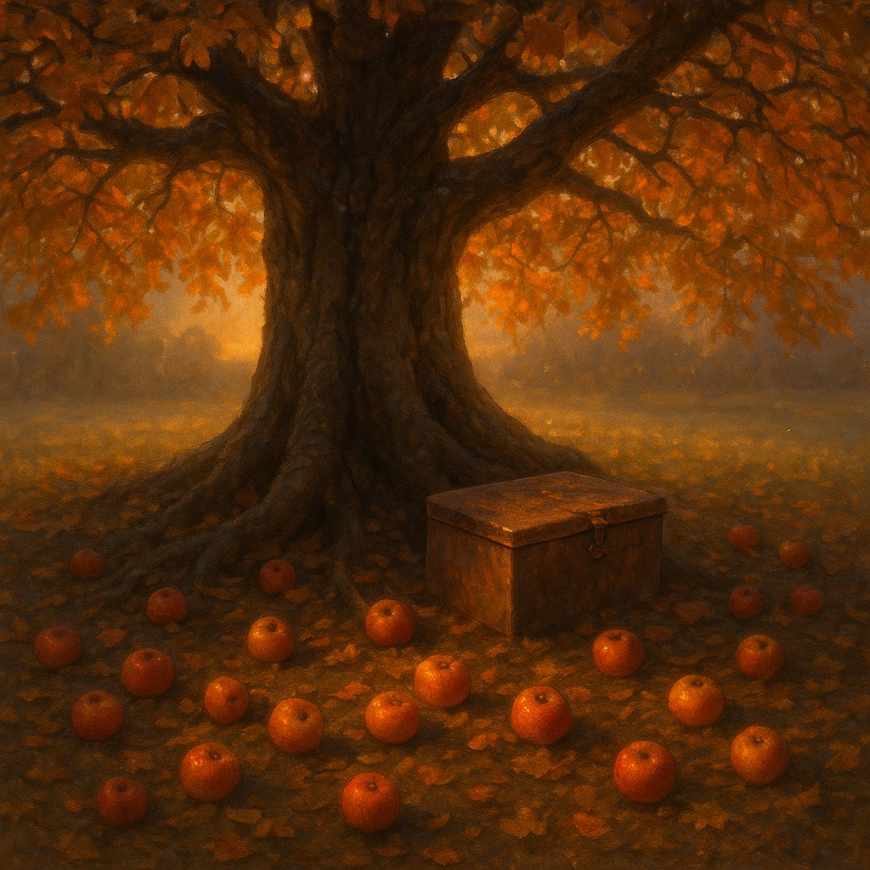
Grandma insisted our old farmhouse kept its own accounts -- that it was kind to some of us and cruel to others for reasons going back generations. An old letter in the wall proved her half right.

My Grandmother Swore the House Remembered Us

Read more »

RSS feed of this section

The rule nobody can trace

It is not the misfortune that makes a cursed family interesting. It is the rules. No weddings in a particular month. Never the eldest daughter's name. Nothing red in the front room. Nobody living can explain where any of it came from, and the narrator has usually only noticed how strange it is after moving out and describing it to a partner. Then somebody breaks one, and the story becomes an argument about what happened next. Statisticians would point at the number of families in the world and the number of ways to be unlucky. The accounts that hold attention are the ones where the writer breaks the rule on purpose and reports back.

Objects that seem to carry the trouble with them are catalogued under cursed objects, and the person who usually issued the warning in the first place has her own tag, grandma's stories. A family curse written as a run of tragedies rarely persuades anyone. Written as one prohibition, precisely stated, it does considerably better with the jury.

Frequently Asked Questions

Are family curses a real thing or just a superstition?

Across cultures, people have long believed that misfortune can follow certain bloodlines, but there’s no scientific proof that a spoken “curse” causes events. What is real are inherited risk factors, trauma patterns, and repeated choices that can make bad outcomes look eerily fated. On this site, you can read first‑person accounts and see how the reader jury votes on whether each one feels like genuine experience, coincidence, or storytelling.

Why do some families think they’re doomed with bad luck?

When several tragedies, illnesses, or strange coincidences hit the same relatives, it’s natural to look for a single explanation. Stories passed down through generations can turn into a shared belief that the family is unlucky or hexed. Reading how other people describe these patterns, and how jurors evaluate them, can help you see the difference between narrative and evidence.

How common are generational curses and repeating patterns in families?

Many families notice repeating themes—like addiction, sudden deaths, estrangements, or money troubles—though they may explain them in different ways. Some frame it as a hex, others as genetics, environment, or learned behavior. The accounts on this site highlight how often people interpret recurring events as something otherworldly, and the votes show how convinced other readers are.

Can an old curse on a bloodline really be broken?

There’s no proven ritual that guarantees an end to a supposed hex, but people do report feeling freer when they consciously change behavior, seek support, or challenge harmful traditions. Whether you see it as magic or metaphor, interrupting unhealthy patterns can change outcomes for future generations. Many stories here wrestle with that question, and the jury’s reactions reflect how persuasive those attempts seem.

Why do so many legends involve haunted heirlooms and inherited objects?

Items like rings, clocks, trunks, or houses take on emotional weight because they stay in a family through births, deaths, and conflicts. When something uncanny happens around them, it’s easy to connect the object to a larger tale of doom or protection. The site’s stories about strange keepsakes show how powerful that symbolism can be, and readers vote on whether it feels like coincidence or something more.

How can I tell if bad things in my family are fate or just coincidence?

Look at how broad or narrow the pattern really is: are you focusing only on the events that fit the story and ignoring the ordinary years in between? Consider known factors like health history, finances, and relationships that could explain what’s happening without invoking destiny. Comparing your situation to the narratives here—and seeing how the jury sorts them into “true,” “false,” or “unsure”—can help you think more critically about your own.

What should I do if I feel scared my relatives are under some kind of hex?

Being frightened by a long‑running family story is understandable, but fear often eases when you gather information and talk openly about it. You might examine the facts behind the legend, speak with trusted people, or explore the beliefs that make it feel so powerful. Reading how others confront similar fears, and how jurors respond to them, can offer perspective and ideas for handling your own worries.

New Stories

Top True By Votes

Random Stories