Grandma Stories: True Tales She Told Once

Dive into a heartwarming collection of grandma stories—personal, first-person tales that capture the mysteries, memories, and family secrets passed down through generations. Here, you’ll encounter heartfelt narratives about cherished traditions, uncanny coincidences, and the enigmatic pasts of beloved grandmothers. Each story invites you to step into a world of nostalgia and wonder, where intimate reflections blend with moments of magic and curiosity.

These unique anecdotes are shared by readers just like you, who open a window into their lives and experiences involving their grandmothers. After reading, you become part of the jury, deciding which accounts feel genuine and which might be tall tales or embellished memories. Explore these treasured reminiscences, cast your vote, and join a community captivated by the charm of grandmotherly lore.

Free Grandma's Stories archive

My Grandmother Swore the House Remembered Us

Posted on Apr 8, 2026 by BarracksVin · ~4 min · 2450 views · 0 comments · 141 · 14 · 88 · 42 · 22

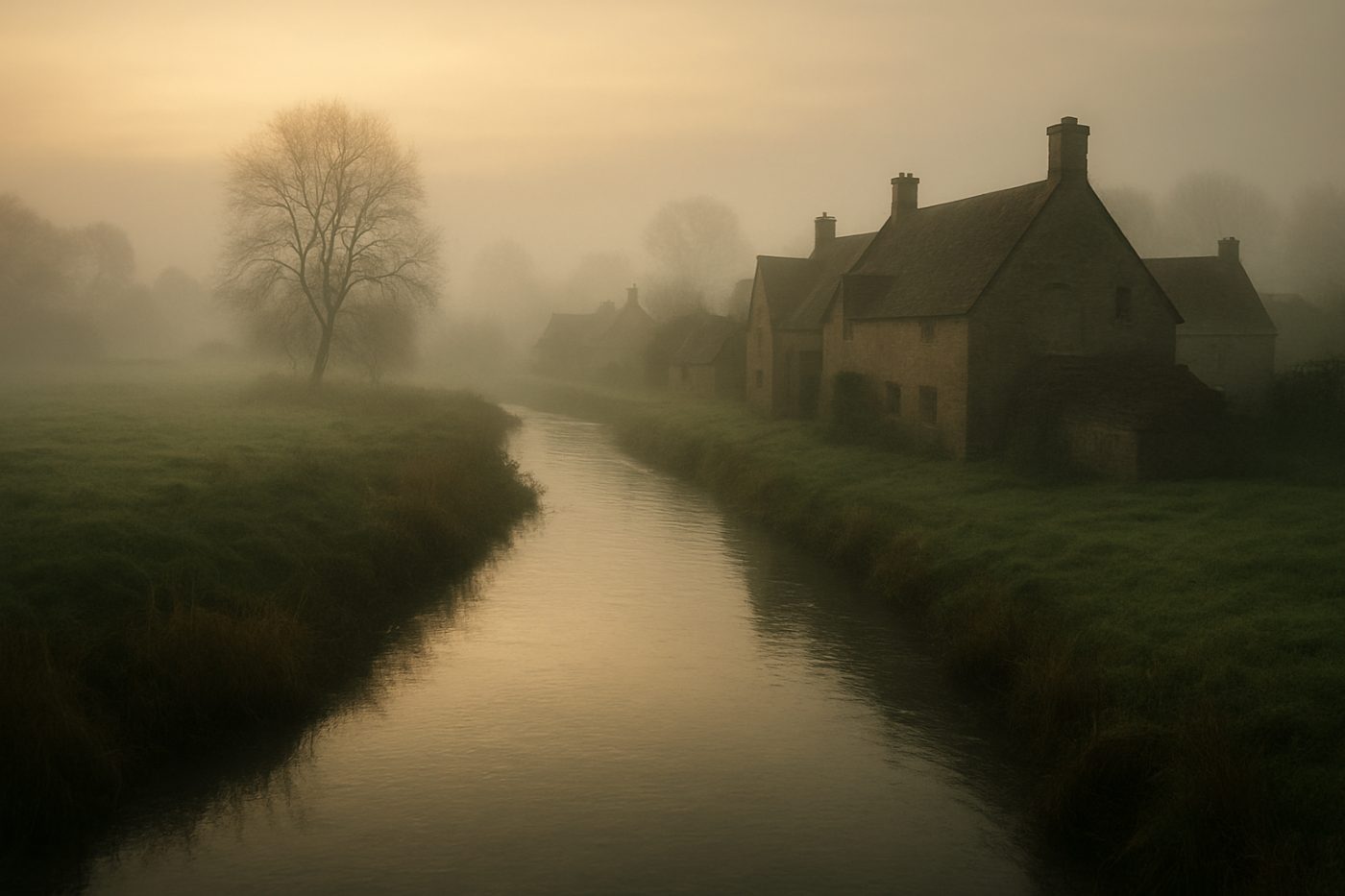
Grandma insisted our old farmhouse kept its own accounts -- that it was kind to some of us and cruel to others for reasons going back generations. An old letter in the wall proved her half right.

My Grandmother Swore the House Remembered Us

Read more »

RSS feed of this section

The sentence she only said once

Very often these grandma stories come down to a single remark. It was made in a kitchen or a hospital chair, usually to whichever grandchild happened to be nearest, and it was never repeated. The narrator is often the only witness, which means the story arrives with a built-in family argument attached: a brother who says she was confused, an aunt who says it was never mentioned because it was never true. Memory researchers would note that a sentence rehearsed for thirty years is not the sentence that was spoken. The writers who acknowledge this — who say plainly that they may have the wording wrong — are the ones readers trust.

Paper that survives the speaker sits under old letters, and the longer inherited narratives — the emigration, the second name, the field nobody sells — are collected in family legends. Grandma's stories rarely resolve. The good ones tend to end with the narrator admitting they waited too long to ask a follow-up question, and that nobody else in the family can help now.

Frequently Asked Questions

Are these grandma stories on the site actually true?

Every story on the site is submitted as a first-person true account, but we can’t verify them like a news report. Instead, readers go through the details, context, and tone, then vote as part of the jury on whether they believe an event really happened. Over time, that voting pattern becomes a signal of how convincing each account is.

Why do so many grandparent memories feel almost supernatural?

Memories from childhood often mix strong emotions, incomplete information, and family folklore, which can make ordinary events feel uncanny. Grandparents also tend to protect children from the full truth, so there are gaps that get filled in later. When you read similar experiences here and see how the jury responds, it can help you decide whether something needs a paranormal explanation or just a human one.

How common are eerie or mysterious stories about grandmothers?

Anecdotally, they’re very common because older relatives often lived through wars, migrations, and family secrets that never got fully explained. Many people report cryptic warnings, strange traditions, or coincidences that only make sense in hindsight. The number and variety of submissions and jury discussions on this theme suggest it’s a widespread experience, even if each case is unique.

Could my own strange family story just be a false memory?

It’s possible, because memory is reconstructive and can be influenced by time, retellings, and what others say afterward. That doesn’t mean you’re lying; it means your brain is doing its best to create a coherent narrative from old impressions. Reading how other contributors describe their recollections, and how jurors weigh credibility, may give you tools to examine your own memories more critically.

What should I do if my grandmother told me a secret that still bothers me?

Start by writing it down in as much detail as you can remember, including how you felt at the time and now. If it’s emotionally heavy, it can help to talk it through with a trusted friend or a professional listener rather than keeping it entirely private. Some people choose to share their experience as a story here and watch how the jury reacts, which can offer perspective even if it doesn’t solve the underlying issue.

Why do some families have such strange rules passed down from grandma?

Unusual rules often come from an incident in the past—an accident, a loss, or a cultural belief—that wasn’t fully explained to later generations. Over time, the original reason may be forgotten while the rule itself becomes almost sacred. Many narratives on the site explore exactly this pattern, and jury comments often speculate about practical origins behind apparently irrational traditions.

How can I tell if a personal story about my nana is worth sharing on the site?

If the experience still makes you wonder “what really happened?” or has stuck with you for years, it’s probably interesting enough to others. Focus on concrete details, dialogue, and what you knew at the time versus what you know now. Reader juries tend to reward stories that feel honest and specific, whether they vote them “real” or not.

Do readers usually believe the more emotional grandmother tales?

Strong emotion can make a story compelling, but jurors here often look beyond feelings to consistency, plausibility, and small realistic details. A touching account may still get mixed votes if key parts seem impossible or underexplained, and a quieter piece can be rated highly credible if it feels grounded. Reading the comments and vote splits can show how emotion and evidence interact for different readers.

New Stories

Top True By Votes

Random Stories