
My Boss Fired Me by Text on a Friday, Then Begged on Monday
My manager fired me by text at 5 p.m. Friday to avoid a conversation. He did not realize I was the only person who knew how to run the payroll system. Monday morning was educational.

Wrong number texts are the small accidents that reroute an evening: a wrong number text at 2 a.m., or the sinking moment you texted the wrong person. In Wrong Number & Texts, everyday messages go wildly off-script. Here you’ll find first‑person accounts of disastrous misdials, chaotic group chats, late‑night drunk texting, creepy anonymous SMS threads, and accidental notifications sent to exactly the wrong person. From workplace mishaps to romantic blunders, from unsettling phone calls to unnervingly coincidental call logs, these storytellers swear their awkward encounters actually happened.
Every tale here is a personal narrative, not a checked or confirmed report, and the audience acts as the jury. As you read, you decide whether each bizarre mobile mix‑up, messaging fiasco, or misdirected communication feels authentic or made up. Dive into the digital drama, cast your vote on what’s real, and see how your judgment compares with everyone else’s.
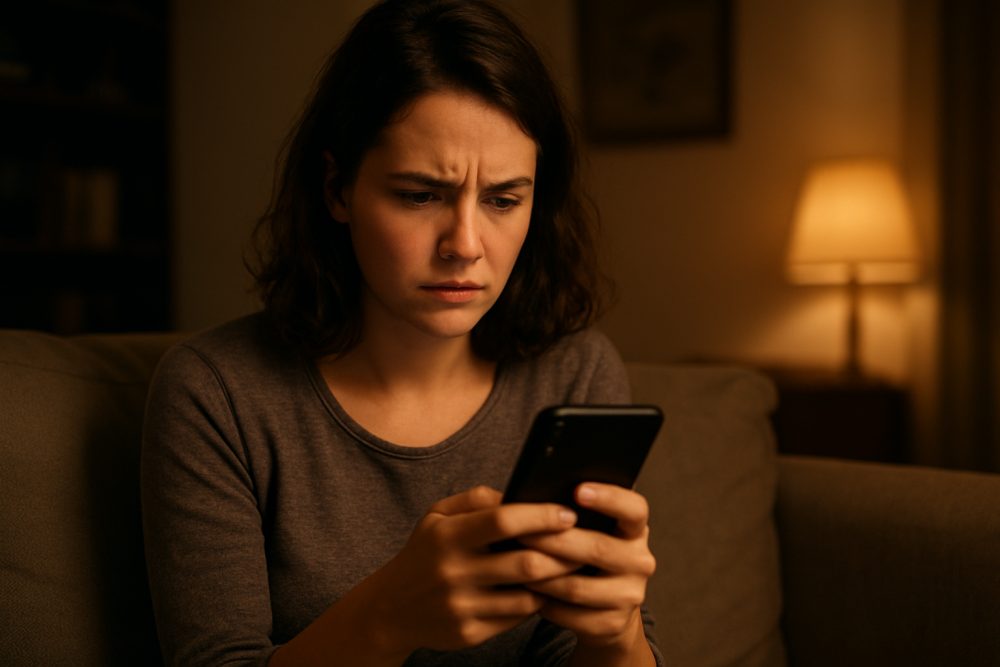
My manager fired me by text at 5 p.m. Friday to avoid a conversation. He did not realize I was the only person who knew how to run the payroll system. Monday morning was educational.
I had a bad night, a few too many drinks, and a phone. I woke up to forty pizzas arriving at my door in waves and a very confused, very patient delivery driver.

I meant to text my group chat that I was lowering my expectations and would flee if he chewed weird. I texted the date instead. Somehow it became the best opening line of my life.
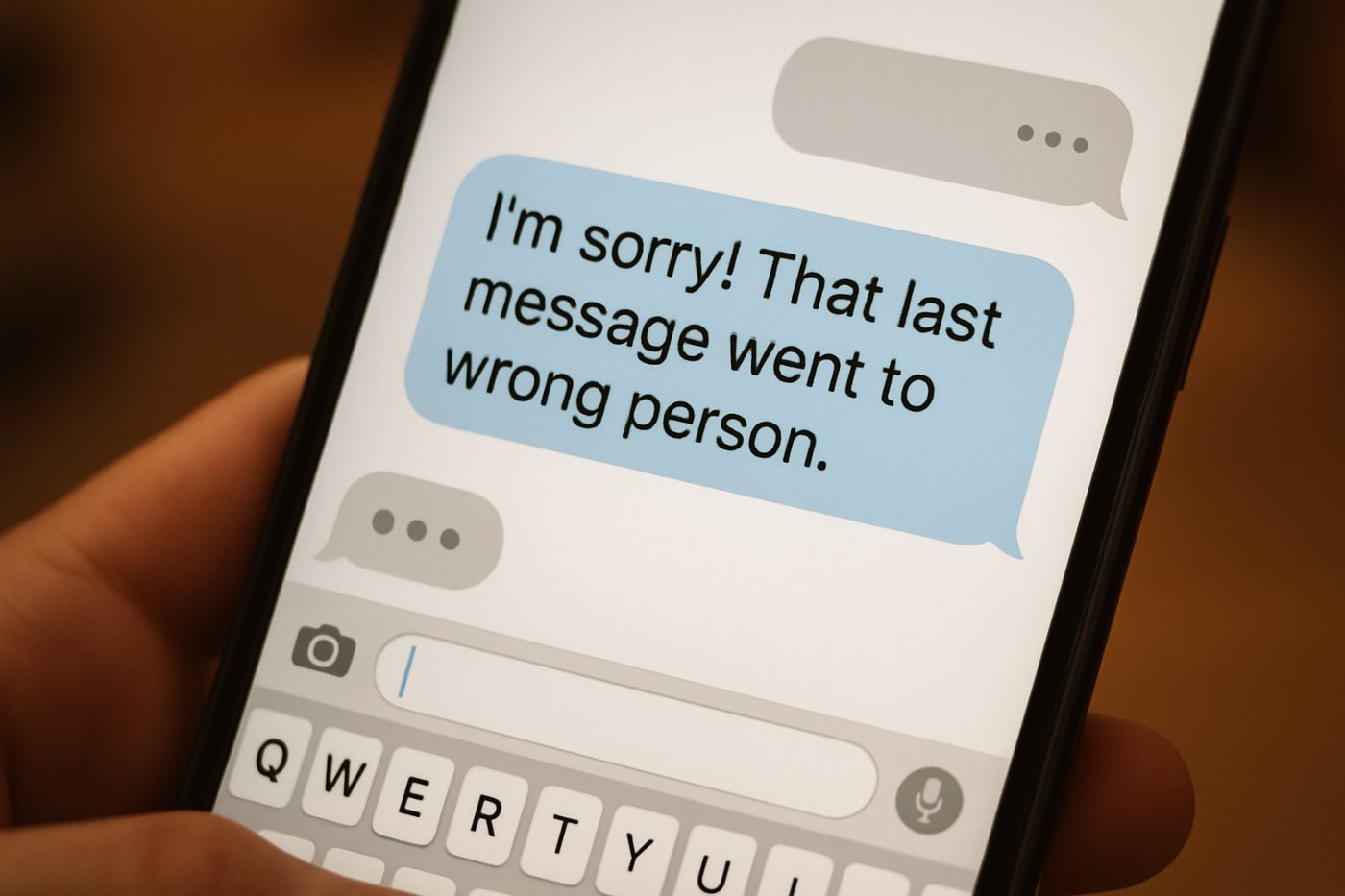
It started as a misdirected delivery text. Then it started telling me when I would be home, and it was always right.
The courier photo is on the app. It is my porch, my door, my dressing gown — and it is not me, because I was in another city.

I was in a supermarket in another country. I stood in the frozen aisle for nine minutes listening to my best friend get married.
I told them in year one. They kept sending it. Last year the photo had an empty chair, and I cried at a bus stop.

It was meant for my sister. It went to Derek, 58, in operations, who has a moustache and a fishing boat.
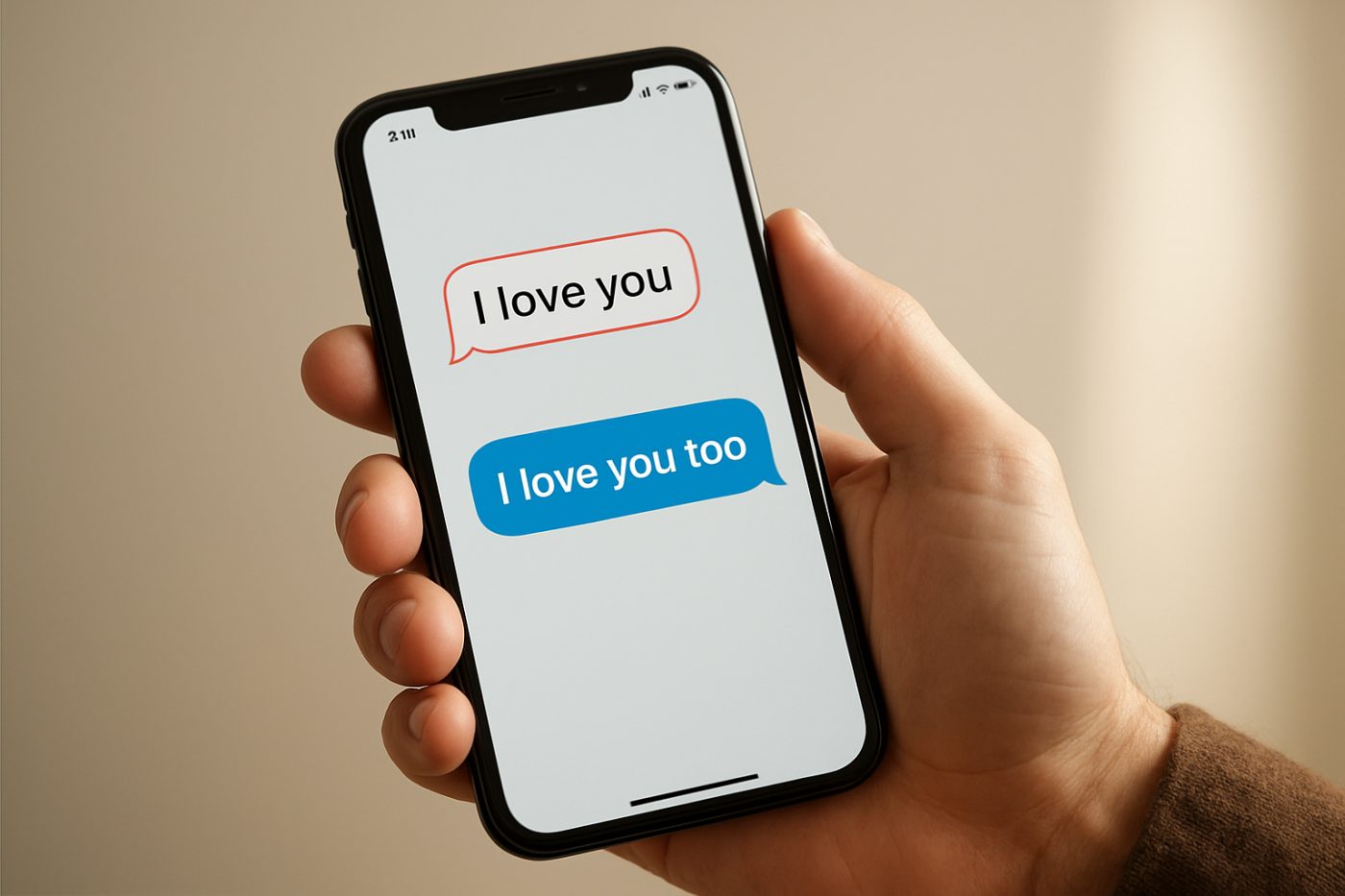
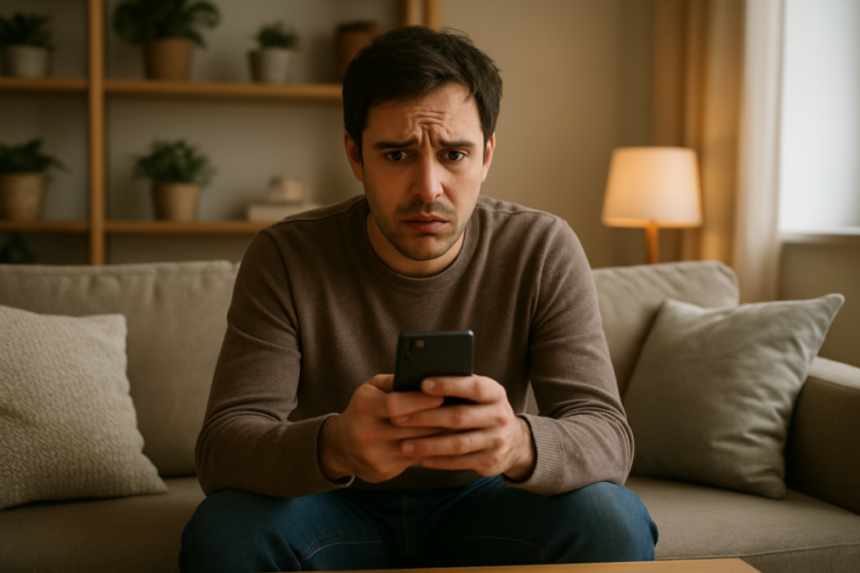
I meant to text one friend privately to complain about a plan. I sent it to the group chat that contained every single person the complaint was about. Then I watched the typing dots.
She rang the company pretending to be me. She had my name from the group chat and my slot from watching my drive.
She meant to send it to her sisters. She sent it to the group with me, my mother, and the dressmaker in it.

Between 02:14 and 02:31 the chat went from "is anyone else seeing this" to "please stop taking photos". Then someone deleted the group.

On my third day at a huge company I meant to send one private joke to one friend. I sent it to the entire staff mailing list. All four thousand of them. With a typo.

A recycled number keeps delivering wrong number texts for years. A recycled phone number is a small archaeological site. The previous owner's dentist still confirms appointments, their sister still sends birthday messages, and a debt collection agency has opinions. Several narrators here describe spending months as the accidental audience to a family they will never meet, and having to decide at what point silence becomes a kind of participation. Others are on the sending end, and those accounts are shorter and worse. The genuinely unsettling ones sit in a third group: threads from a stranger who seems to know the recipient's address, where the obvious explanation is a wrong number and the obvious explanation stops fitting around message four.
Calls rather than messages are collected under the phone call tag, and the cases where the stranger was pretending on purpose belong with catfishing. This is one of the few tags where jurors can be shown something: a screenshot with a timestamp changes a vote faster than any amount of description. Writers who paraphrase the exchange instead of quoting it are usually asked why.
The stories are written in the first person by people describing what they say really happened to them. A reader jury then votes on how believable each story feels, so you can see how others judged it. No one can guarantee every detail is accurate, but the voting gives a clear sense of how convincing each account is.
Mis-sent messages are extremely common because most of us text quickly, rely on autofill, and juggle multiple chats at once. While most mistakes are harmless, the stories here focus on the rare, dramatic mix‑ups that turn into memorable moments, which is why they’re interesting enough for the jury to weigh in on.
Number recycling (when phone companies reassign old numbers), typos when saving contacts, and misreading handwritten numbers all lead to strangers contacting the wrong person. Sometimes it’s a one‑off, sometimes it happens for years, like in some of the long‑running tales on the site. Reading how others handled it can give you ideas for setting boundaries or having a bit of fun with it.
The simplest option is to reply once, politely explaining they have the wrong number, and then mute, block, or ignore if it continues. Many storytellers here tried different approaches, from playing along to firmly cutting contact, and the reader votes often reflect whether people felt they handled it reasonably.
Alcohol lowers inhibitions and judgment, while phones make it easy to send something impulsive to the wrong contact or group chat. The blur of similar names and group threads increases the chance of embarrassment, as seen in several of the stories. Readers often vote on whether they think the sender’s behavior was understandable or out of line.
If a message seems like spam, a scam, or is asking for personal or financial information, it’s safer not to engage and to block or report it through your phone or carrier. Many of the anecdotes here are harmless misunderstandings, but real scams do exist, so use caution and treat obviously risky texts very differently from innocent mix‑ups.
Reactions range from immediate apology and damage control to awkward silence, jokes, or even doubling down, as some stories on the site show. The jury votes often reveal whether readers think someone’s recovery was graceful or made everything worse, which can be a useful guide to handling your own messaging mishaps.
When both sides are friendly, curious, and respectful, a one‑off error can grow into an ongoing chat, running joke, or even a friendship. Several accounts describe wrong-number exchanges that went on for years, and the community votes help highlight which of those feel wholesome versus slightly unsettling.