Strange Animal Behavior: True Stories

Sometimes the most unsettling moments begin with a pet or wild creature acting in a way that makes no sense—until later. This tag gathers first‑person accounts of eerie animal reactions, uncanny bird activity, strange animal behavior from livestock that balks for no clear reason, household pets hovering at doors, and other odd, instinct‑driven episodes that seemed to warn, mirror, or somehow connect to what happened next. Every narrative here is told by someone who swears they lived through it.

Nothing on this page has been fact‑checked, debunked, or confirmed—these are unverified personal experiences, left entirely to the site’s reader jury. As you move from one unsettling encounter to the next, you decide whether each narrator is remembering something extraordinary or reading too much into ordinary quirks. Start reading, trust your gut, and cast your vote on every story.


Free Strange Animal Behavior archive

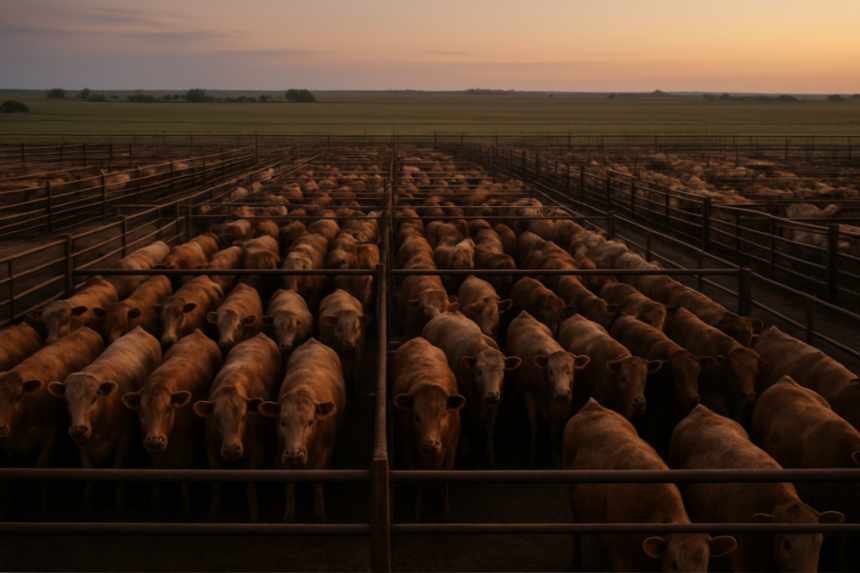
Three Nights the Whole Feedyard Looked at the Same Corner

Posted on Jul 26, 2026 by EastPensRider · ~49 min · 4 views · 0 comments · 0 · 0 · 0 · 0 · 0

I've ridden pens at a Texas Panhandle feedyard for thirty years. I know every light a night can make. On three nights in October 2016, forty thousand head of cattle went silent and faced the east pens, and what hung there wasn't any of them.

Three Nights the Whole Feedyard Looked at the Same Corner

Read more »

RSS feed of this section

Livestock, and the farmers who watch them

Every report of strange animal behavior depends on who was watching. A farmer describing cattle refusing a gate they have used daily for nine years is offering a baseline, and readers respond to that. A visitor unsettled by a barking dog is offering very little. The strongest reports come from stockmen, kennel workers, vets and anyone else with thousands of hours of ordinary conduct to compare against. Ethologists would still reach first for wind direction, a predator upwind, an unfamiliar smell on somebody's boots, and most of these narrators do not dispute any of that. They simply note that the explanation never turned up.

Cases where the animal appeared to know something in advance are filed under pet premonitions, and the ones involving a creature that had already died sit under ghostly pets. If you are writing one of these up, spend a paragraph on what the animal normally does. It is duller to write and it is the part that wins the argument.

Frequently Asked Questions

Are weird animal behaviors before a death or accident actually real or just coincidence?

Many people report pets or wild animals acting oddly before a serious event, but science usually explains this as coincidence plus our tendency to remember striking examples. Animals can sense subtle changes in smell, sound, or routine that humans miss, which sometimes lines up with major events by chance. On our site you can read first‑person accounts and see how the reader jury votes on whether each one feels genuinely believable.

Why does my pet act strangely right before something bad happens?

Pets often pick up on early signs of illness, stress, or environmental changes, like a gas leak or distant thunder, long before we do. When something bad follows, we naturally connect those odd actions to the outcome. Reading different stories and their jury verdicts can help you see how often people notice these patterns and how others interpret them.

Can animals really sense when a person is sick or dying?

There is some evidence that dogs and other animals can detect changes in body odor, behavior, or routine linked to illness or extreme stress. This doesn’t mean they predict the future, but they may be reacting to physical signals we don’t notice. Many of the stories on our site explore this idea, and the jury votes reflect a mix of belief and skepticism.

How common is eerie pet behavior before emergencies like fires or earthquakes?

Unusual pet behavior before disasters gets a lot of attention, but everyday false alarms are less often remembered or shared. Some animals react strongly to vibrations, smells, or smoke long before humans realize something is wrong, which can look uncanny in hindsight. Our collection of reader stories gives a sense of how often people feel their animals “knew” something, even if science can’t confirm every claim.

Should I worry if my dog or cat suddenly acts very off or clingy?

A sudden big change in behavior can sometimes mean stress, fear, pain, or illness, so it’s worth paying calm attention and, if needed, consulting a professional. It doesn’t automatically mean something supernatural or catastrophic is coming. In the stories on the site, people often only connect the behavior to an event afterward, and the jury votes reflect how convincing that link feels.

Do birds gathering, tapping on windows, or staying nearby have any special meaning?

Birds are highly sensitive to light, reflections, and territory, so window tapping or gathering can have ordinary explanations like seeing their reflection or being attracted to indoor plants. Humans are good at finding patterns and meaning, especially when the timing feels spooky or emotional. Our bird-related accounts show a range of interpretations, and the reader jury helps separate symbolic readings from more down‑to‑earth ones.

Can my pet’s odd behavior be a sign of a ghost or the paranormal?

Some people interpret staring at empty corners, refusing to enter certain rooms, or nighttime pacing as a sign of spirits, while others see it as normal animal alertness or anxiety. There’s no solid scientific evidence that pets detect ghosts, but they do react to sounds, drafts, and smells far beyond our senses. Many stories on the site play with this idea, and the jury’s yes/no votes show how divided readers are about paranormal explanations.

What should I do if my animal keeps focusing on one spot on my body or someone else’s?

Persistent sniffing, licking, or pawing at a specific area could be simple curiosity, a new smell, or a minor injury, but some people report pets reacting to undiagnosed issues. It’s usually sensible to note the behavior and consider a health check if you notice other symptoms or changes. On the site, several narrators only realized the possible significance of this focus after a diagnosis, and the jury weighs in on how convincing that connection seems.

New Stories

Top True By Votes

Random Stories