
The Barn Cat Who Herded Us to Shelter Before the Tornado Hit
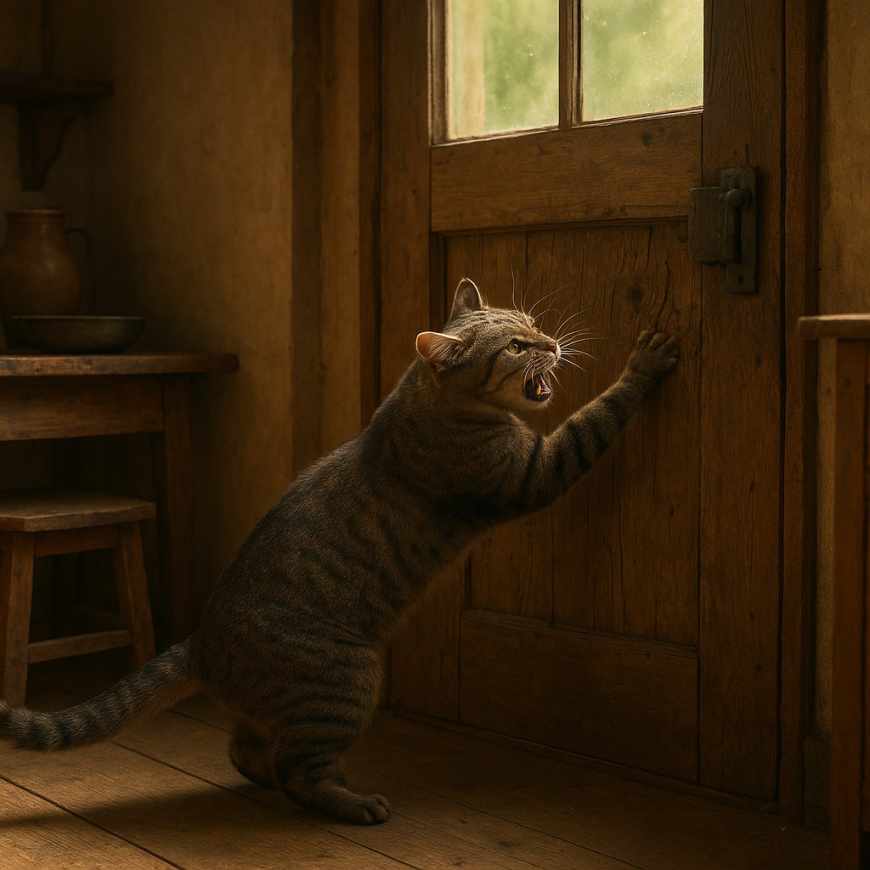
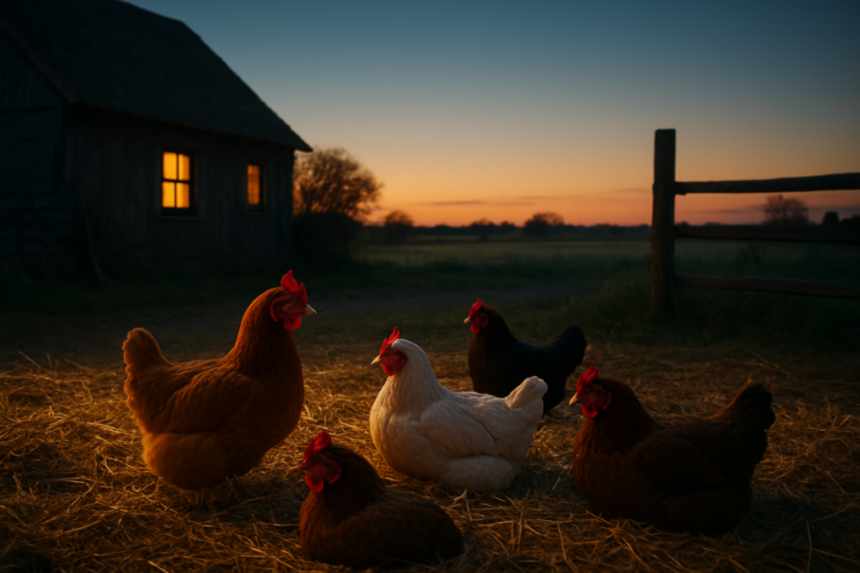
Our barn cat had never once come inside the house. The afternoon the sky turned green, she scratched at the door like she was possessed, and led us straight to the cellar.
Some animals don’t just sense storms or sniff out danger—they seem to anticipate illness, death, and life-changing events before any human suspects a thing. Can dogs sense death, a seizure, or a fire? The people writing here believe theirs did. In Pet Premonitions you’ll find first-person accounts of cats that refused to settle, dogs that stared or whined at one spot on the body, birds whose strange visits coincided with a final goodbye, and watchful creatures that apparently foresaw accidents, heart attacks, seizures, and pregnancy. These are intimate narratives written by ordinary people, not certified case files or proven paranormal evidence.
Every testimony here is a personal recollection, shared exactly as the writer remembers it, and the truth of what really happened is up to you. After each uncanny episode of animal intuition or eerie forewarning, the reader community becomes the jury, voting on whether they believe the story is genuine or just an uncanny coincidence. Dive in, decide for yourself, and cast your vote.
Our barn cat had never once come inside the house. The afternoon the sky turned green, she scratched at the door like she was possessed, and led us straight to the cellar.
It fell into step at the end of my street, a big black dog with no collar, and stayed at my heel the whole mile home. It vanished at my gate. My brother had gone an hour before.

I chalked up the chest pressure to indigestion and went to bed. My cat clawed at me, knocked things off the nightstand, and yowled until I finally called for help.

It came each afternoon and tapped the glass by her deathbed with its beak, patient and unhurried. On the day she died it tapped once and flew off, and never returned.

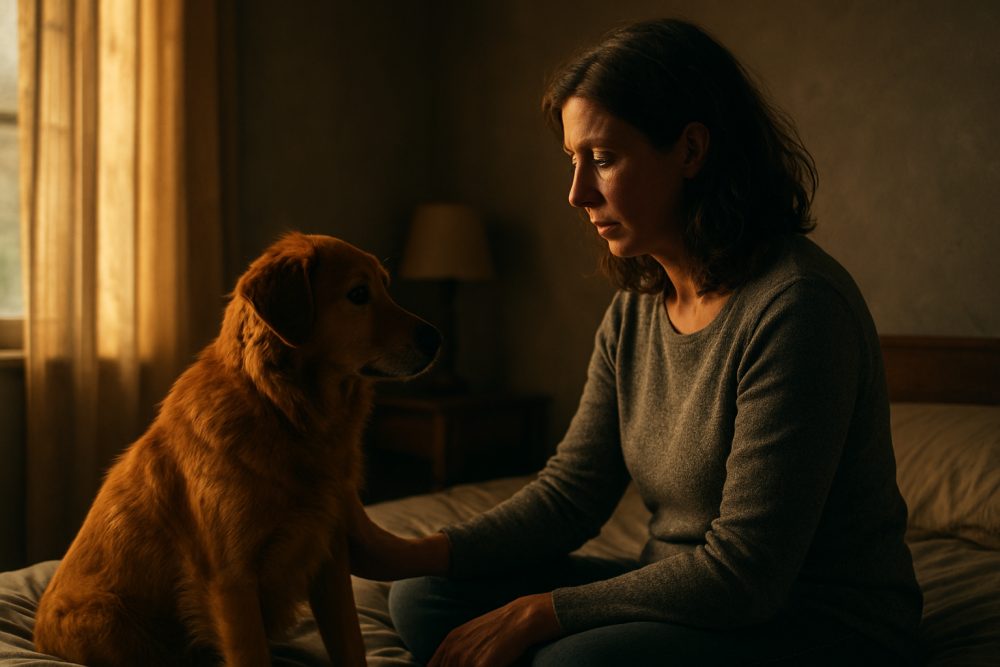
For two months our rescue dog obsessively sniffed and licked one spot on my wife's calf. We thought it was a quirk. A doctor thought it was melanoma. He was right.
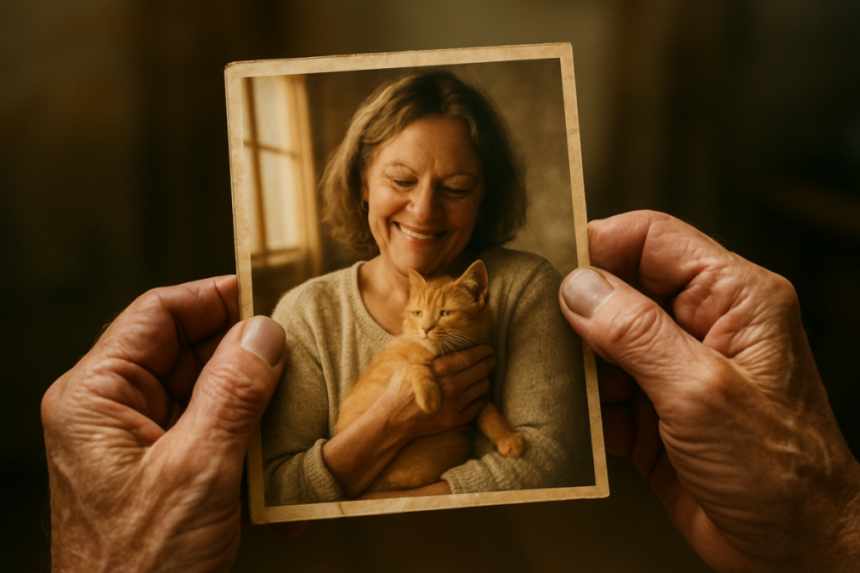
The night my grandmother died two states away, her old cat sat facing the front door and cried until dawn. He had never done it before. He never did it again.
A barn owl came to the same fence post outside my uncle's window three nights running. On the third night it turned its head to look inside. He was gone by dawn.
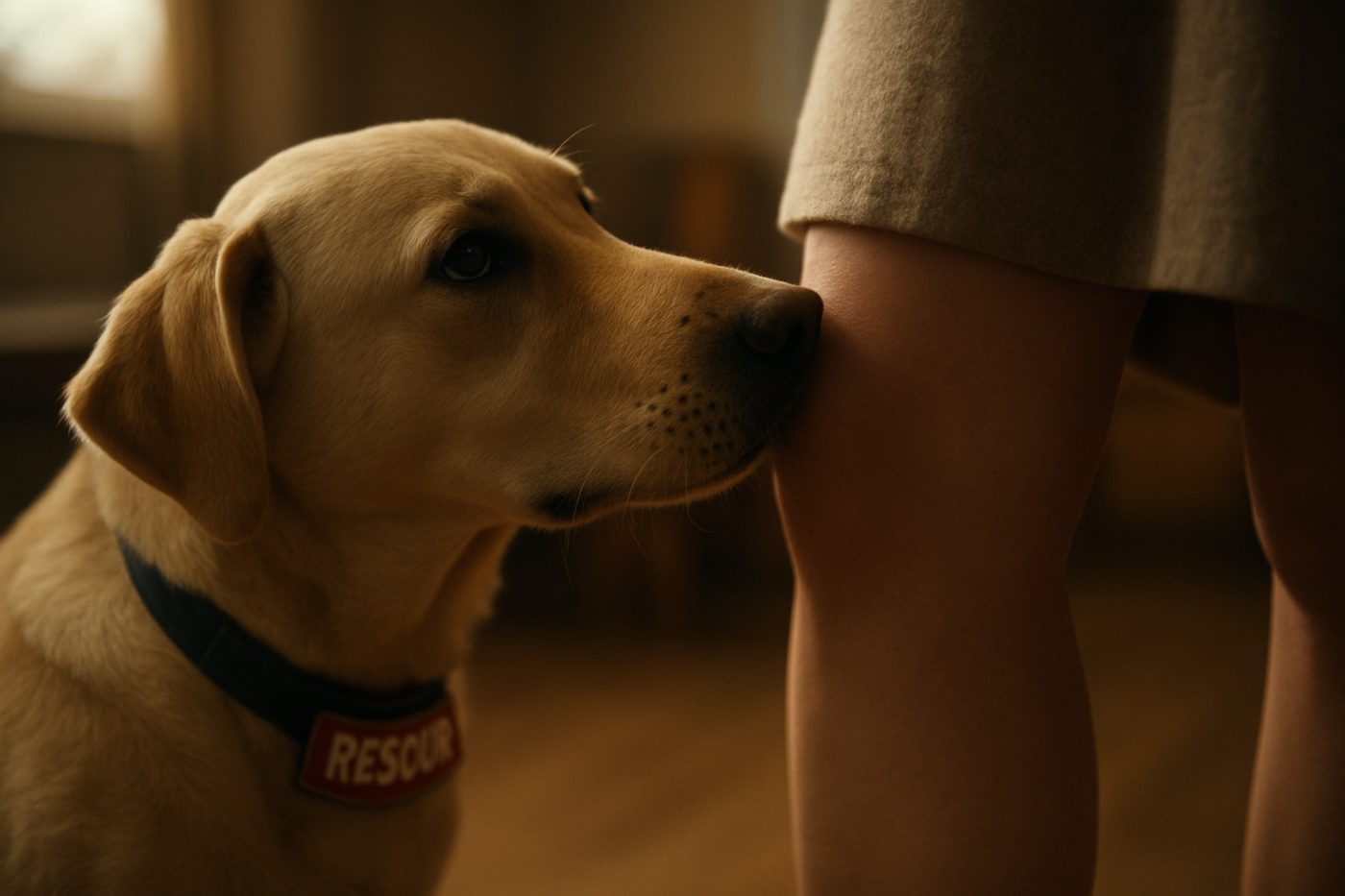
Duke was a shelter mutt, not a service dog. But ten minutes before every seizure, he would press against my legs and refuse to move. He was never once wrong.

For a week my aloof greyhound would not leave my stomach alone. She pressed her nose to it, rested her head there, followed me everywhere. Then the test came back positive.

The window had been shut all winter. Yet a robin was sitting on the back of my father's chair when I came downstairs, calm as anything, waiting.

Pip had sung every single morning for six years. Then he went silent, sat pressed to the bars nearest my nan's chair, and would not eat. Three days later she collapsed.

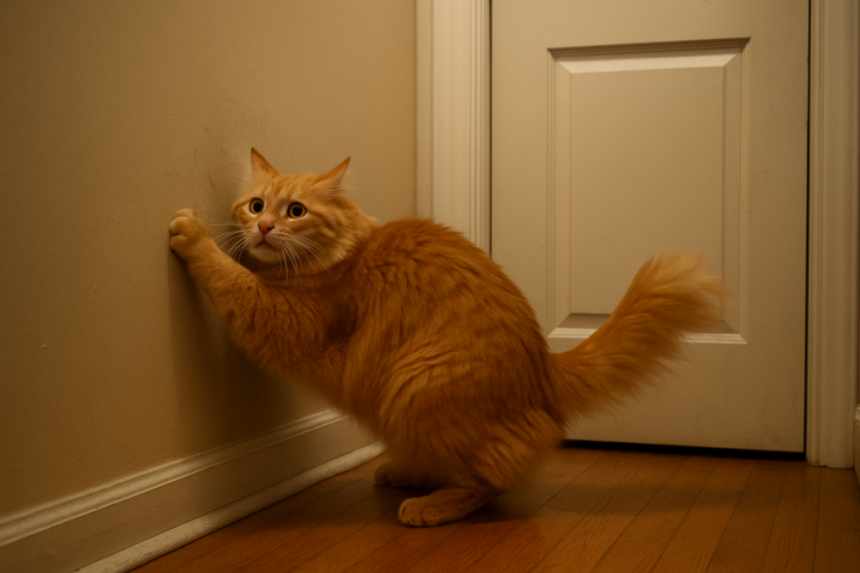
Marmalade was the laziest cat alive until the night he clawed my face and howled at a spot on the wall. I nearly threw him outside. Instead I called the gas company.
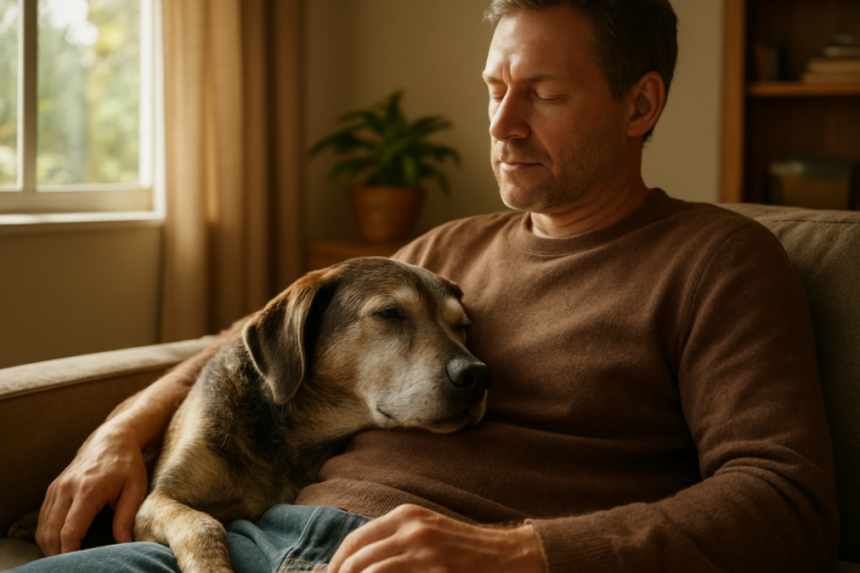
Bruno started nosing the same place under my left arm, again and again, week after week. I told him to stop. Six months later a scan found what he had been pointing at.
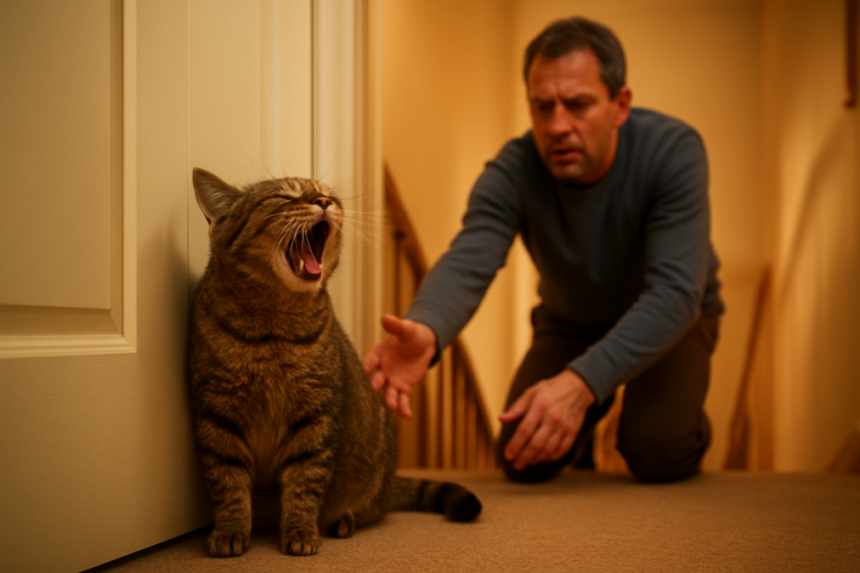
For fourteen years our cat ignored my mother. Then one ordinary Tuesday she sat outside her bedroom and cried until dawn. By morning we understood why.
Our beagle never barked at night. The one time she did, she pulled all four of us out of a house that was already filling with smoke. I still owe her everything.

Almost every pet premonition report here is assembled backwards. The animal did something odd — refused a room, sat on one particular hip for a fortnight, would not stop crying at a closed door — and the meaning only arrived with a diagnosis, a phone call or a funeral. That ordering is the whole argument. Vets and oncologists will happily accept that dogs smell things we cannot, which covers a fair share of the tumour accounts and none of the ones about a cat waking a household twenty minutes before a fire. The submissions that hold up have a date attached to them: a letter, an appointment card, a message sent to somebody at the time.
The broader category of animal omens takes in wild creatures as well as household ones, and the ordinary business of living with animals is collected under pet stories. Readers here are generous with cats and dogs and noticeably suspicious of birds, for reasons nobody on the site has ever managed to explain. A dog is allowed a sixth sense; a magpie has to earn it.
There’s no scientific proof that animals can predict the future, but there are many first‑hand accounts where timing and behavior are hard to brush off as pure chance. Some readers feel these stories show real intuitive abilities, while others vote that they’re coincidences or selective memory. Reading the stories and checking how the jury votes can help you decide what feels most convincing.
Animals have sharper senses than we do: they can smell subtle changes in body chemistry, hear faint sounds, and notice tiny shifts in routine or mood. Many “they knew” stories may come from pets reacting to these cues long before humans realize something is wrong. When you read accounts of dogs or cats fixating on a person or body part, look at how the jury weighs in on whether it seems like intuition or hindsight.
Research suggests some animals can detect vibrations, pressure changes, or sounds that occur before quakes and severe weather, but it’s not fully understood or reliable enough to use as a warning system. Stories of pets acting strangely before disasters are common across cultures, and some people see them as evidence of a sixth sense. On the site, the jury votes often reflect this split: some readers see an early warning, others see anxious behavior that just happened to line up with the event.
Some dogs seem able to pick up on scent or behavior changes that happen before seizures, drops in blood sugar, or other medical issues. A few are formally trained as alert dogs, but many stories involve untrained pets who simply react strongly and persistently right before something happens. When you browse personal accounts and their reader verdicts, you’ll see ongoing debate about how much is training, how much is scent, and how much might be unexplained.
There are many anecdotal reports of pets acting distressed, clingy, or focused on one spot before a diagnosis or crisis, but no one has solid numbers on how common this really is. People are more likely to remember and share unusual, spooky moments than ordinary days, which can make these experiences feel more widespread. The site’s stories and jury votes highlight both striking examples and skeptical reactions.
It can be either, or a mix of both. Animals often respond to changes in scent, breathing, and routine, and they may also react to the emotions of the people around them. Some readers interpret these moments as genuine mourning, while others, judging by the vote tallies, see them as learned responses and comfort-seeking.
First, rule out obvious causes: pain, injury, a change in your home, or something the animal might be hearing or smelling that you can’t. If your pet’s behavior is intense, persistent, or you feel unwell, it’s reasonable to monitor your health and talk to a professional rather than relying on the animal alone. Reading similar stories and how the jury evaluated them can give you context, but they’re not a substitute for common‑sense care.