
My Dog Grabbed My Toddler by the Diaper Right at the Edge of the Pool
I looked away for fifteen seconds. In that time my two-year-old made it to the deep end. Our old lab, who could barely walk anymore, got there before the water did.

On this page, you’ll find hero dog stories and more: gripping first‑person accounts of dogs, cats, and other four‑legged guardians who sense danger, raise the alarm, and change the course of an ordinary day. From sudden medical scares and looming disasters to quiet moments that turn unexpectedly life‑or‑death, every tale here is told by the person who lived it, sharing how an animal companion stepped in when it mattered most.
These are not investigated reports or certified case files, but personal narratives submitted by readers, with all the mystery, doubt, and awe that comes with them. After you read each dramatic rescue, uncanny warning, or instinct‑driven act of courage from a furry protector, you become the jury: decide whether you believe it really happened, cast your vote, and see how your verdict compares.

I looked away for fifteen seconds. In that time my two-year-old made it to the deep end. Our old lab, who could barely walk anymore, got there before the water did.
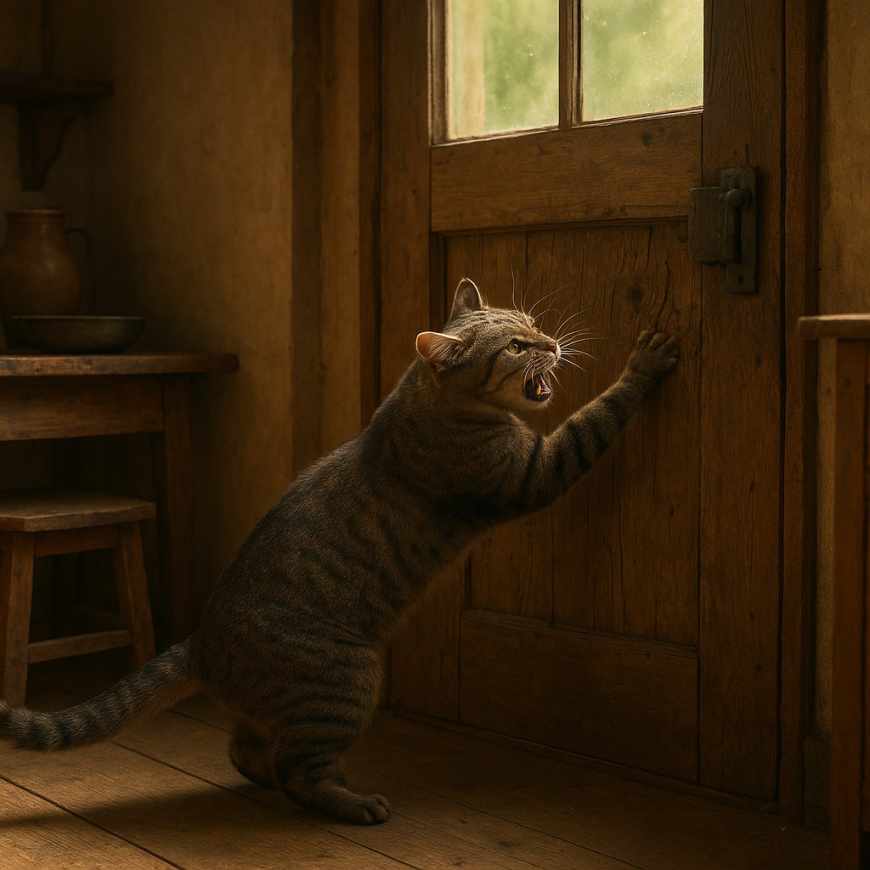
Our barn cat had never once come inside the house. The afternoon the sky turned green, she scratched at the door like she was possessed, and led us straight to the cellar.
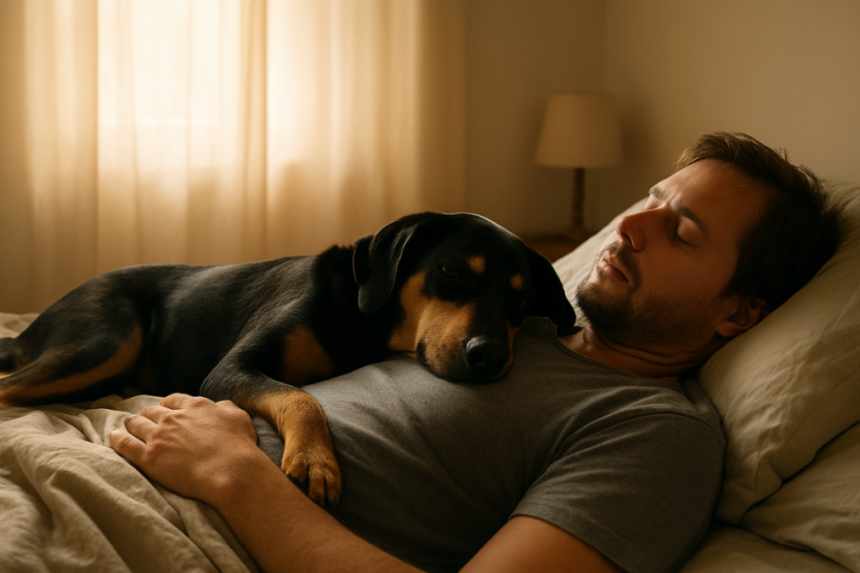
I chalked up the chest pressure to indigestion and went to bed. My cat clawed at me, knocked things off the nightstand, and yowled until I finally called for help.

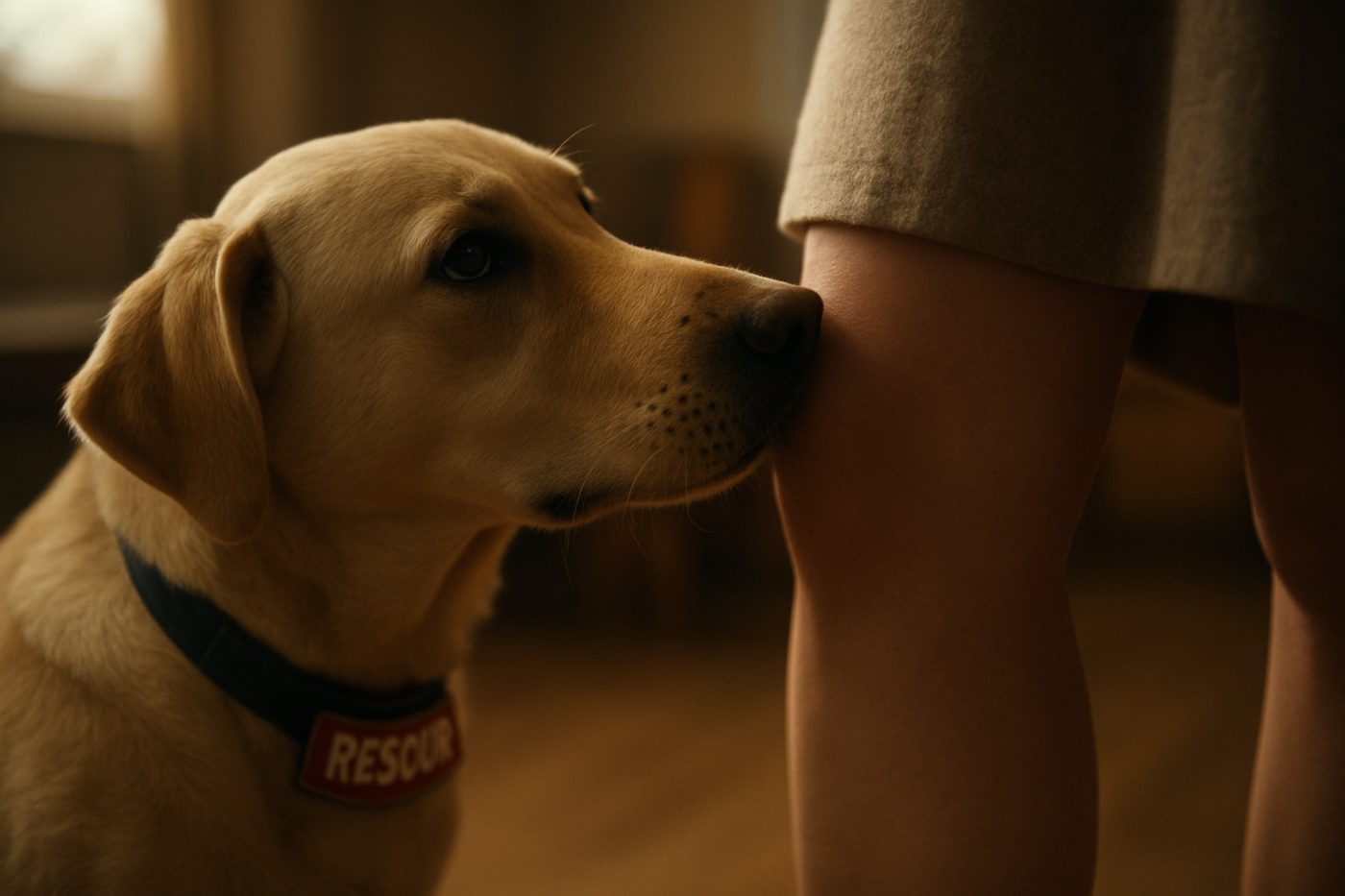
For two months our rescue dog obsessively sniffed and licked one spot on my wife's calf. We thought it was a quirk. A doctor thought it was melanoma. He was right.
Duke was a shelter mutt, not a service dog. But ten minutes before every seizure, he would press against my legs and refuse to move. He was never once wrong.
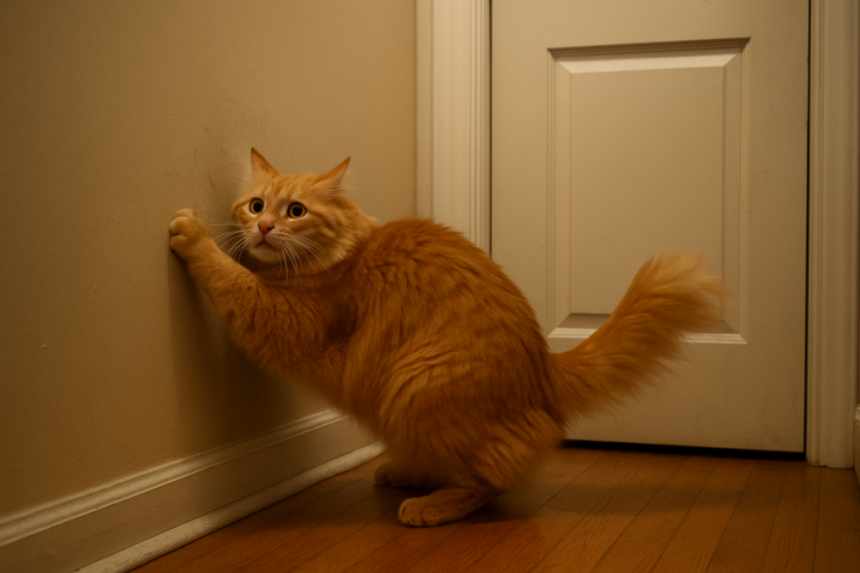
Marmalade was the laziest cat alive until the night he clawed my face and howled at a spot on the wall. I nearly threw him outside. Instead I called the gas company.
I live alone. At three in the morning I woke to my little rescue terrier making a sound I had never heard. There was a stranger standing in my kitchen doorway.

Our beagle never barked at night. The one time she did, she pulled all four of us out of a house that was already filling with smoke. I still owe her everything.

The strongest hero dog stories share an unglamorous structure: an animal behaves oddly for twenty minutes, is ignored, escalates, and is eventually followed. Nobody in these accounts describes a rescue in the cinematic sense. They describe a cat refusing to leave a doorway, a dog standing on a chest at four in the morning, a horse that would not go past a particular gate. Vets and behaviourists reading along would point to smell and hearing rather than intuition — smoke before it is visible, a change in breathing, the low hum of a boiler doing something it should not. The animals, of course, are not offering an explanation.
Warnings that arrived too early to be about smell are collected under pet premonitions, and the general run of household animal reports at pet stories. The vote on hero pets is warmer than on almost any other tag, though jurors still pull apart the timing. What convinces them is a narrator who says openly that they nearly did nothing.
Many accounts of animals saving people are based on genuine personal experiences, though they can be hard to verify in every detail. On this site, each first-person story is presented as the author’s own memory, and the reader jury votes on whether they believe it really happened. Reading both the stories and the vote results can help you decide how convincing each one feels.
Some dogs do seem able to notice subtle changes in their owner’s smell, breathing, or behavior before a health crisis. Researchers think they are reacting to chemical changes or physical cues, not a “sixth sense.” The seizure and illness stories here show what owners report, and the jury votes reflect how plausible other readers find those experiences.
Cats are extremely sensitive to small changes in sound, smell, and routine, and they may react when something feels “off” to them. That could be anything from a strange noise in the house to a medical issue or a gas leak. When you read the cat stories on this site, you’ll see different theories in the comments and can check the jury votes to see how other readers interpret the behavior.
These dramatic rescues are unusual compared with everyday pet behavior, which is why they make such memorable stories. Animals might bark, scratch, or refuse to settle because they notice smoke, heat, or unusual smells. The fire and carbon monoxide accounts here are individual cases, and the jury system lets readers weigh how likely they think each one is.
Many dogs will bark or place themselves between their owner and a perceived threat, especially if they are bonded closely with their family. That doesn’t mean every dog will physically confront an intruder, but territorial and protective behaviors are common. Real-life break‑in stories on this site show a range of reactions, and the votes reveal how believable readers find each scenario.
Pets can react strongly to sudden movement, loud sounds, or situations they’ve learned are risky, like water or traffic. Whether they truly understand the danger or are just following instinct, their actions can occasionally prevent accidents. When you read poolside rescue or road‑side accounts here, the jury’s verdict gives a sense of how intentional other readers think the pet’s behavior was.
Some owners report that their animals become clingy, restless, or focused on one area of the body before a diagnosis. It’s possible that pets are detecting changes in body odor, breathing, or behavior that we don’t notice ourselves. The illness-related stories on this site capture those personal experiences, and the community votes indicate how convincing those reports are to others.
A few types of trained service and detection animals have been studied, but most everyday “my pet saved me” accounts are individual anecdotes. They can’t usually be proven in a laboratory sense, yet they offer valuable insight into how closely humans and animals can be attuned. This site keeps them transparent as personal narratives, and the jury vote is there so readers can weigh the credibility for themselves.