
The Most Haunted Street: My Year in a Cursed Cottage
A young soldier rents a charming old cottage alone, only to discover footsteps in an empty attic, screams, and a street locals call the most haunted in the state.
Military ghost stories are institutional property: army ghost stories from haunted military bases, handed to every new arrival along with the room keys. In this Military & Barracks corner of the site, you’ll find first‑person accounts from service life and garrison housing where discipline, routine, and something inexplicable share the same parade ground. From lonely sentry posts and after‑hours drill halls to old officers’ quarters and on‑base housing, storytellers describe strange footsteps in empty corridors, regimental mascots that won’t quite stay buried, and war dead who seem unwilling to fade from the roll call.
Every narrative here is told as it happened to the person who lived through it, but nothing is officially checked, proven, or debunked. Instead, the truth is decided by the reader jury: you read, weigh the details, argue with your instincts, and vote on whether each eerie encounter from barrack rooms, messes, and military housing really took place. Dive in, pick a side, and cast your vote.
A young soldier rents a charming old cottage alone, only to discover footsteps in an empty attic, screams, and a street locals call the most haunted in the state.
In our barracks there was one empty locker at the end of the row that opened itself every night. We welded it shut. In the morning it was standing open again, the weld cracked clean.
She sits at the bottom, ears up, tail still, facing the fourth step. Every evening at six. She has done it for three years.
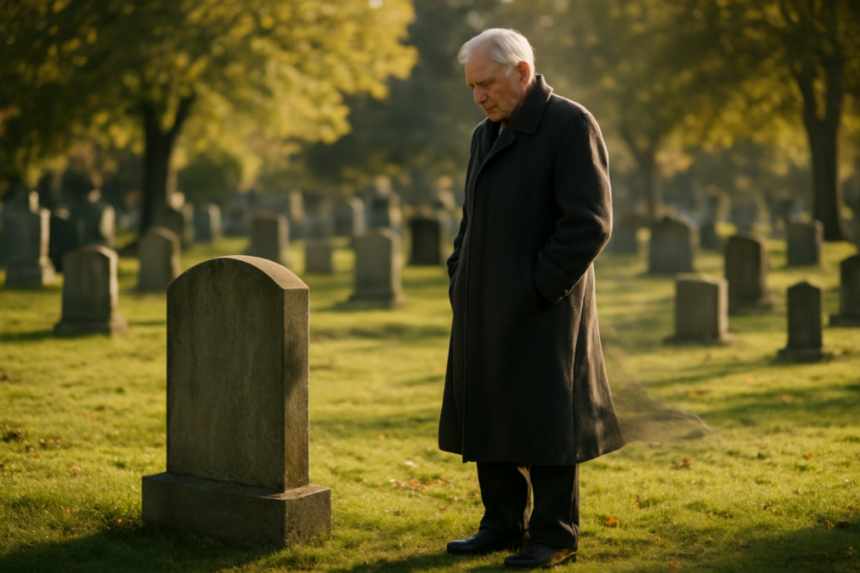
A volunteer transcribing headstones photographed a name that is not on any record. Two days later a man in an old coat told her the spelling.
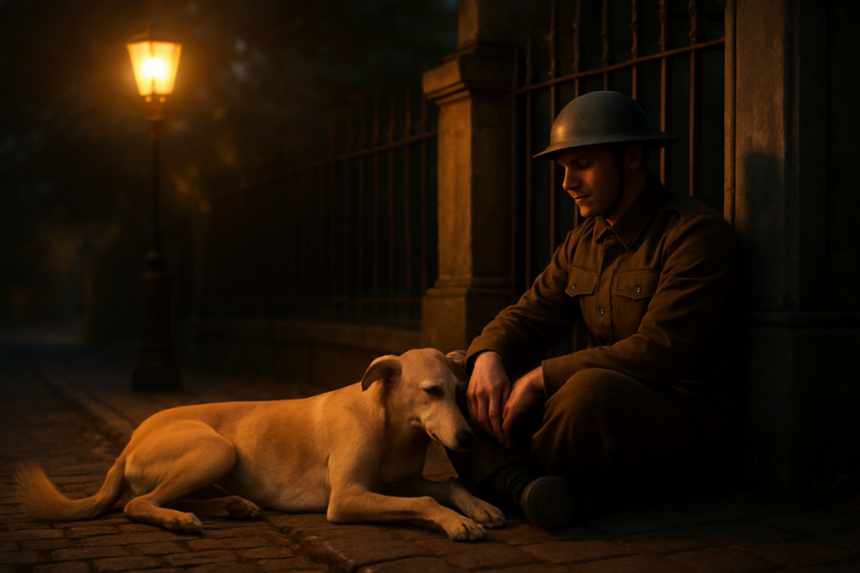
Every guard on that gate for sixty years has heard the same thing at the same hour: claws on concrete, going away from you.
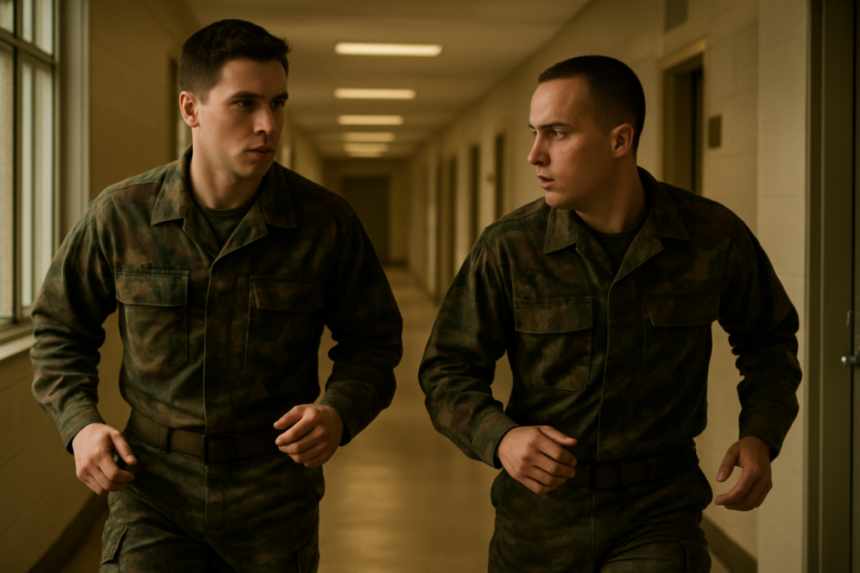
Block C, ground floor, the stretch between the drying room and the fire door. Two hundred men, one unspoken agreement.
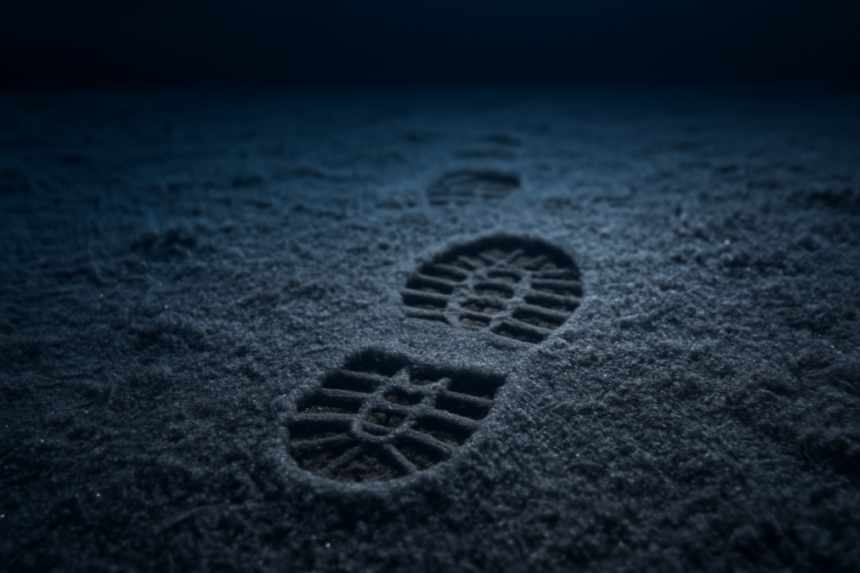
On a quiet base at two in the morning I challenged a man in an old uniform walking the perimeter. He did not answer, did not stop, and left no tracks in the frost.
He was not drunk and he was not joking. He said: "Whatever you think you saw over the ranges, you did not see it, and I did not see it on my screen for eleven minutes."
Haunted military bases keep their stories better than any other workplace. In most institutions a ghost story is gossip. On a base it is closer to property, handed down with the room keys and the kettle and repeated to every new arrival in the same words, usually by someone who was told it by a corporal now posted elsewhere. That transmission is what makes this tag both rich and difficult. The details are unusually checkable — a stag rota, a block number, a door that was definitely locked at 0200 — and unusually contaminated, because the narrator has heard the legend before the experience. The best accounts here say so up front and then describe what did not fit the version they were given.
Service life without the hauntings is covered in military stories, and the day-to-day of block living, ghosts or no ghosts, sits under barracks life. Readers who have served notice different things from readers who have not, and it shows in the comments: they pick up on a rota that could not have run that way long before they reach the figure at the end of the corridor. Get the routine right and the rest gets a fair hearing.
Reports of strange experiences in army housing and training bases are common, partly because the sites are old, heavily used and often linked to war. Whether they’re “more haunted” is impossible to prove, but high stress, night shifts and shared stories can make odd events feel more intense. Reading the first‑person accounts on this page and seeing how the reader jury votes can give you a feel for how often people claim things happened.
Many camps, forts and airfields are tied to conflict, sudden deaths and strong emotions, which makes people more likely to interpret unexplained moments as paranormal. Long corridors, echoing rooms and isolation on duty also heighten nerves. Our contributors describe exactly these settings, and the jury votes help separate “good campfire tale” from “this might have really happened.”
There is no reliable data on how often serving personnel see apparitions; most accounts are informal stories passed between colleagues. Night watches, fatigue and high alertness can make shadows, sounds and ordinary events seem uncanny. The stories here collect those experiences in one place so you can judge patterns for yourself through the voting.
Stress, sleep deprivation and fear can cause misperceptions, vivid dreams and even minor hallucinations, especially on night shifts. Many people who submit stories to this site wrestle with exactly that question, and some readers vote “true” while others see a psychological explanation. It’s reasonable to keep both possibilities in mind when you think back on what happened.
There is no scientific proof that the dead return, but sites of conflict attract a lot of personal testimony about apparitions, sounds and repeating scenes. Some see these as spirits, others as our minds responding to powerful history and expectation. The battlefield and war‑grave stories here, along with the jury verdicts, show how differently people interpret the same kind of event.
Historic quarters and guard posts are often left largely unchanged for decades, which makes every creak or cold spot feel like a message from the past. They are also places where people spend long, lonely hours, so they notice every odd sound or movement. You can see this pattern across several of the first‑person accounts on this page.
Start by treating the stories as part of the unit’s folklore, and look for practical explanations before jumping to the paranormal. If the atmosphere or rumors are affecting your sleep or concentration, talking with peers or a trusted superior can help. Reading other people’s experiences and how the jury responds may reassure you that uneasy feelings in such places are very common.
Like any personal testimony, some accounts may be embellished, misremembered or shaped by retelling. That’s why this site lets a reader jury vote on how believable each story feels, adding a community check to individual claims. You can enjoy them as narratives while still keeping a skeptical, thoughtful mindset.