
Our Tent Was Moved Eight Feet While We Were Inside It
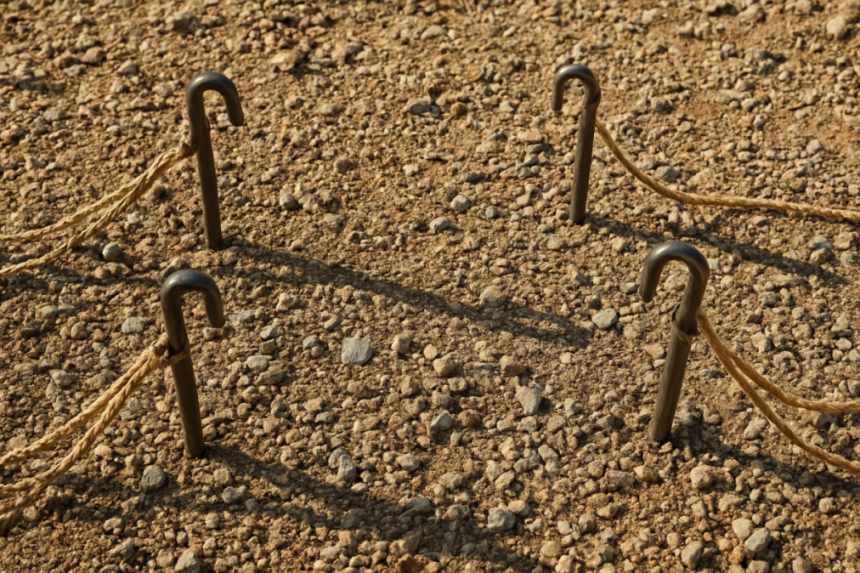
We pegged it on flat gravel. In the morning the pegs were still in the ground, in a neat rectangle, eight feet away from the tent.
On this page, you’ll find first-person skinwalker stories and encounters with the Skinwalker: nightmarish beings from cursed desert folklore and shape-shifting reservation legends. These stories dive into eerie voices calling from the dark, uncanny mimicry of loved ones, animals refusing to cross invisible boundaries, and unsettling disturbances in the wilderness. Each account is told by the person who swears it happened to them, from backcountry camping trips to isolated rural homesteads and long, lonely roads where something unnatural watches from the tree line.
Nothing here is confirmed, debunked, or explained; every tale remains exactly as the storyteller remembers it. Our community serves as the jury, weighing each eerie narrative and deciding whether it feels like truth, tall tale, or something in between. Read the accounts, trust your instincts, and cast your vote on what really happened.
We pegged it on flat gravel. In the morning the pegs were still in the ground, in a neat rectangle, eight feet away from the tent.
We wrote our accounts down separately that night, sealed them, and opened them a year later. They do not match, and the ways they do not match are worse than the thing itself.
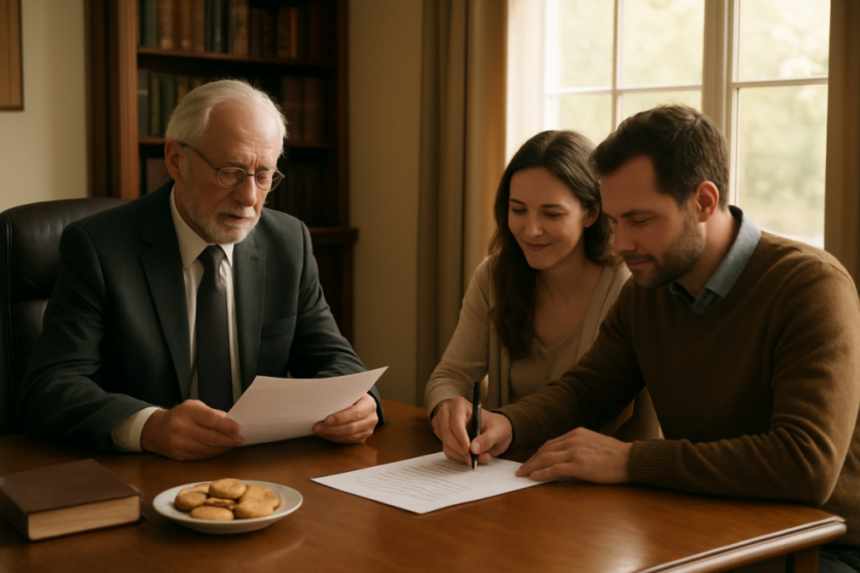
He said it at the signing, in front of the solicitor, completely calmly, like telling us where the stopcock is.
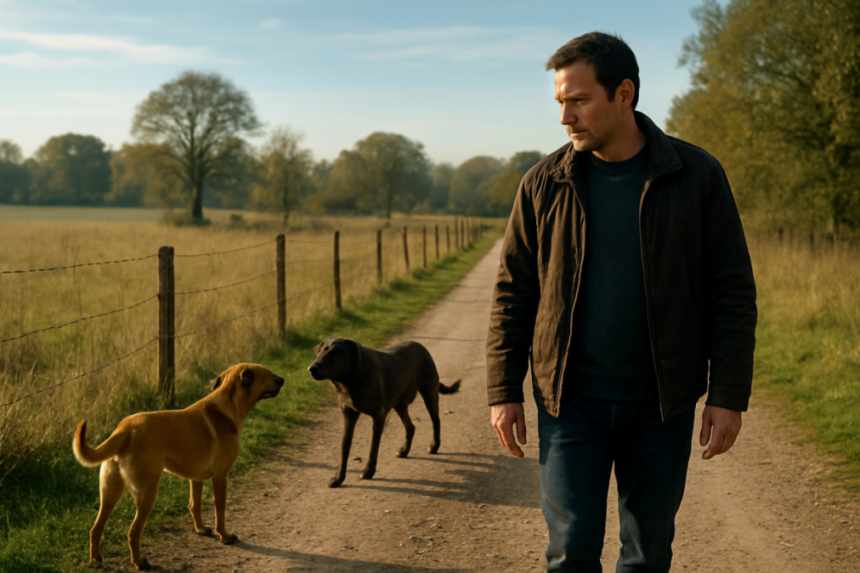
Two working dogs who live to run. For eight days they stopped dead at the same invisible line and shook.
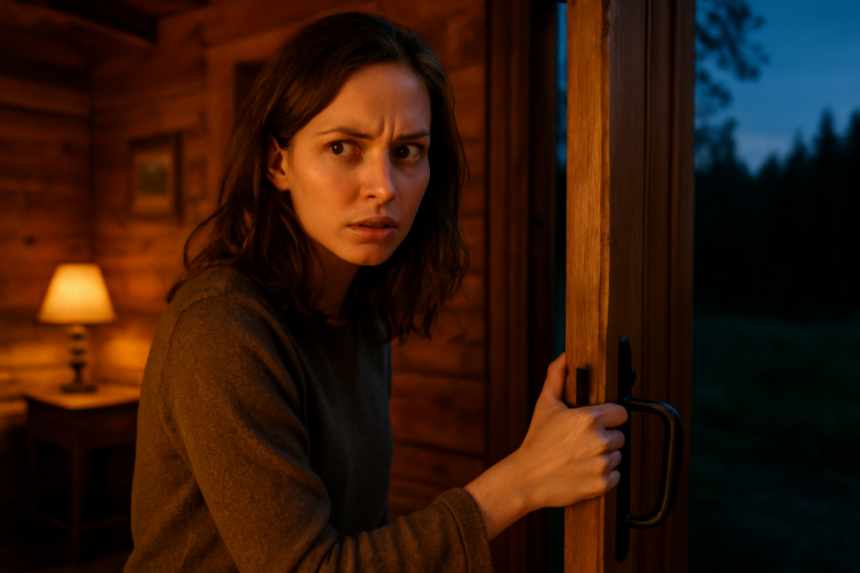
It called me from the treeline in her voice, and it said the right name, and then it said "come out here" — and my sister has never in her life said "out here".
Worth saying before the accounts themselves: the tradition this term comes from is Dine, it is treated seriously within that culture, and a fair number of the reports filed here are by people who have borrowed the skinwalker label for an experience that does not obviously fit it. Read past the name and the material is fairly uniform — voices at the edge of a property, a familiar name called from the wrong direction, dogs or livestock refusing a boundary they cross every day. Sceptics point to acoustics, coyotes, and the well-documented human habit of hearing speech inside noise. Narrators who grew up with these stories are usually the most cautious describers on the page.
Encounters further from any house are gathered in wilderness encounters, and the upright canine reports sit next door under dogman. The jury on these skinwalker sightings is harder to convince than on almost any other tag, largely because readers know how much of this material has been absorbed from films and forum posts. First-hand accounts that name the terrain and stop short of an explanation do best.
Stories about these beings come from Navajo tradition, where they’re treated very seriously, not as entertainment. Outside that culture, there’s no scientific proof they exist, but people keep reporting strange encounters that they interpret through this lens. On this site you can read first-person accounts and see how the reader jury voted on whether each one really happened. That mix of folklore and claimed experience is what keeps the question open for many readers.
Common traits people mention include humanlike figures moving in unnatural ways, animals that act “wrong” or speak, and voices mimicking someone you know from just out of sight. In the stories here, readers often flag details like perfect imitations of a loved one’s voice that get small things wrong, or animals refusing to cross certain boundaries. You can compare the patterns across different accounts and see which details the jury found most convincing. Remember these are personal reports, not verified evidence.
Some experiences may be explained by acoustics, wildlife calls, or the brain misinterpreting sounds in the dark. Others are framed by witnesses as paranormal or as encounters with witchcraft and shape‑shifters, especially in regions where those beliefs are common. Reading multiple first‑person stories and the jury comments can show how different people interpret very similar nighttime experiences. Keeping a critical mindset while you read helps separate possible natural causes from the unexplained.
Most traditions advise not to engage: don’t speak back, don’t approach, and leave the area calmly but quickly if you can do so safely. Focus on basic safety first—staying with trusted people, getting to shelter, and avoiding risky behavior in remote places. Afterwards, writing down exactly what you recall, as the storytellers here do, can help you process what happened and compare it to other accounts and jury reactions. If you feel shaken or frightened for a long time, talking with someone you trust may help.
Folklore about humans turning into animals exists in many cultures, from witches and werewolves to regional night creatures. Modern accounts are hard to count reliably, since most are anonymous stories, campfire tales, or internet posts rather than formally documented reports. On this site you’ll find a curated selection of such experiences, with readers voting on how believable each one feels. That can give you a sense of how widespread these claims are among people who choose to share them.
Many witnesses believe that whatever they encountered could mimic voices and surface‑level details, but not deep personal knowledge. In several stories here, the voice gets a familiar phrase slightly wrong or uses a word the real person never would, which becomes a key “tell” for the narrator. The reader jury often pays close attention to those small inconsistencies when deciding how plausible the account seems. There’s no empirical proof this kind of imitation is possible, but it’s a strong theme in reported experiences.
Yes, investigators often point to things like exhaustion, fear, group suggestion, misidentified animals, or ordinary people behaving strangely. Isolation and darkness can heighten our senses and make normal events feel sinister, which might explain moved objects, distorted memories, or animal behavior. When you read the stories and compare them with the jury votes, you’ll see some readers lean toward rational explanations and others toward the supernatural. Both perspectives can coexist while we acknowledge that not every detail is easily explained.