
The Poltergeist Packed Our Bags
For months something in our flat threw things and slammed doors — until the week we decided, in private, to move out. Then it changed: it started, gently and unmistakably, helping us pack.

Haunted apartment stories carry a question the tag cannot answer for you: is my apartment haunted, or does somebody else simply live very close? Dim hallways, sleepless nights, and neighbors you’re not sure are living: this section gathers first‑person encounters with Haunted Apartments in all their unnerving variety. Here you’ll find eerie city flats, new-build units with old problems, obsessively upgraded smart homes logging impossible activity, and cramped rentals where something unseen paces the corridor at 3 a.m. Each narrator swears their strange experiences really happened—but here, belief is always up for debate.
From unsettling presences in nursery rooms to invisible occupants the landlord can’t seem to clear out, these confessions explore paranoia, nocturnal sounds, and the creeping sense that your walls remember previous tenants. Nothing here is fact‑checked; every account is personal, subjective, and presented for you to judge. Dive into the stories, decide what feels authentic or imagined, and cast your vote on each one.
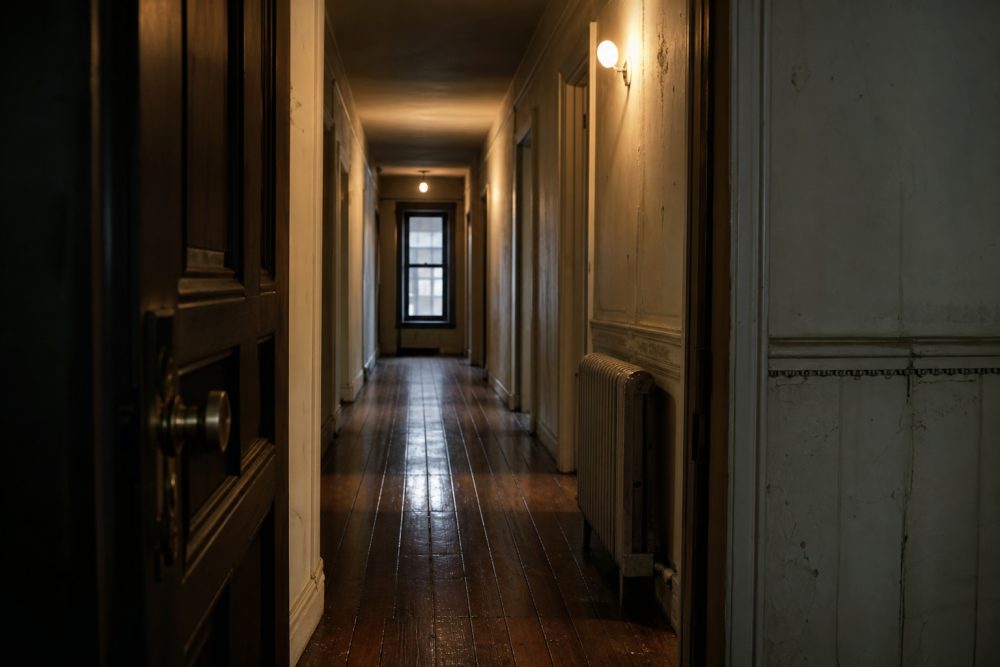
For months something in our flat threw things and slammed doors — until the week we decided, in private, to move out. Then it changed: it started, gently and unmistakably, helping us pack.
Our monitor, tuned to the nursery, catches a woman softly singing a lullaby — every night, from a frequency that isn't the nursery, in a house where the only other person is my husband, who can't sing a note.
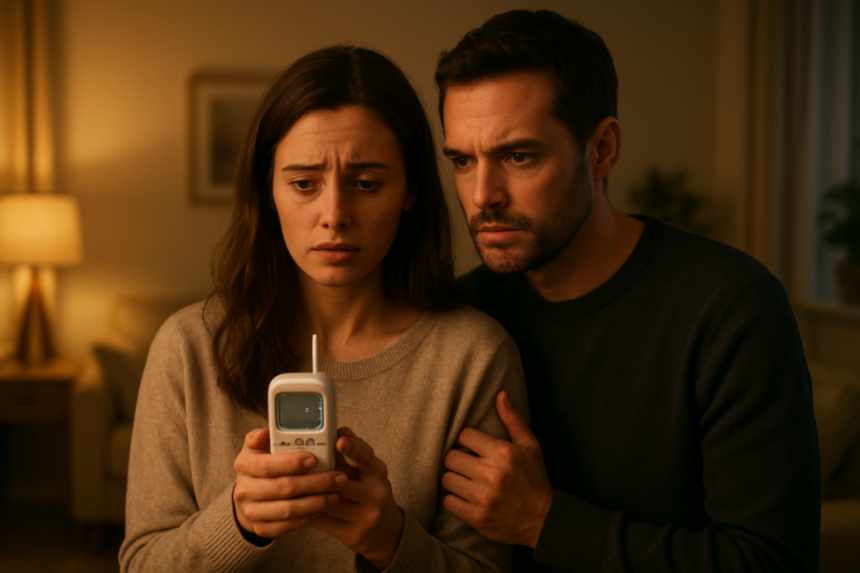
For three nights a tall figure in a wide-brimmed hat stood at the foot of my bed while I lay frozen. On the fourth night, my roommate described him before I said a word.
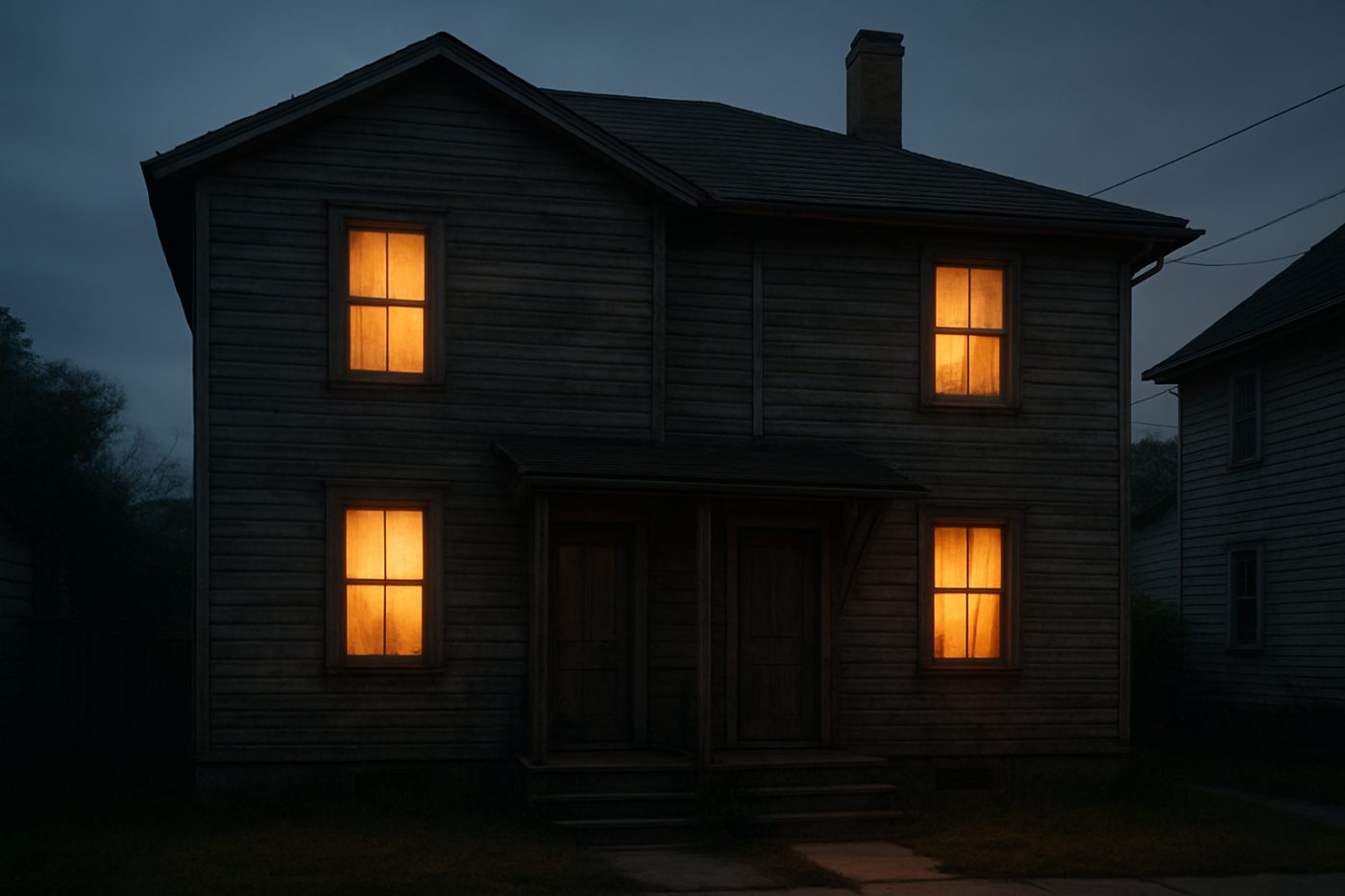
Our doorbell rang at exactly 3:07 every night. No one on the porch, nothing on camera. We unplugged it. It kept ringing. We learned a man had died on our porch at 3:07, waiting for someone to answer.
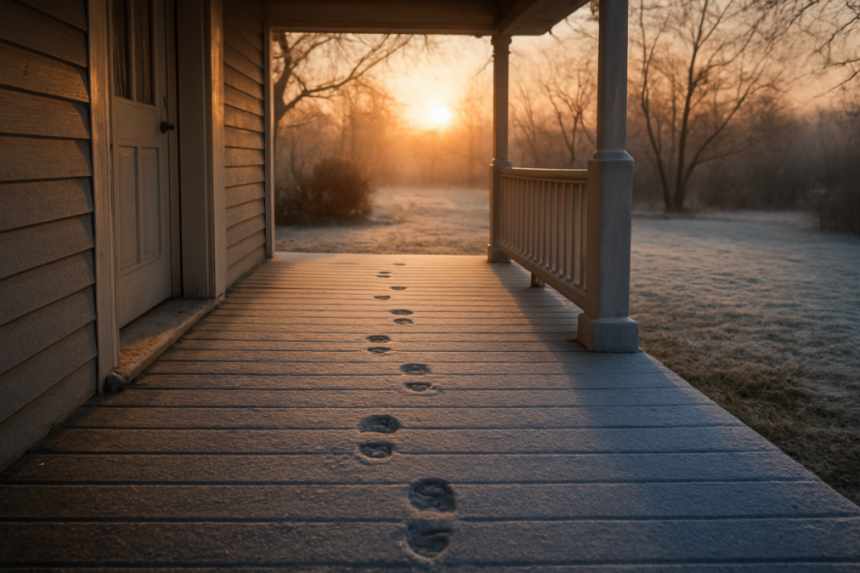
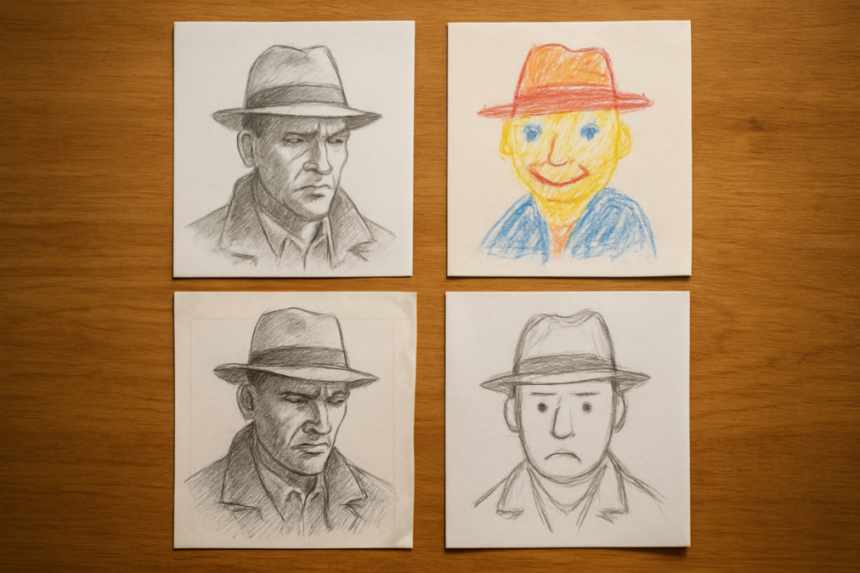
The landlord keeps the drawings. Four tenants, twenty years, four sheets of paper, one man in a wide-brimmed hat.
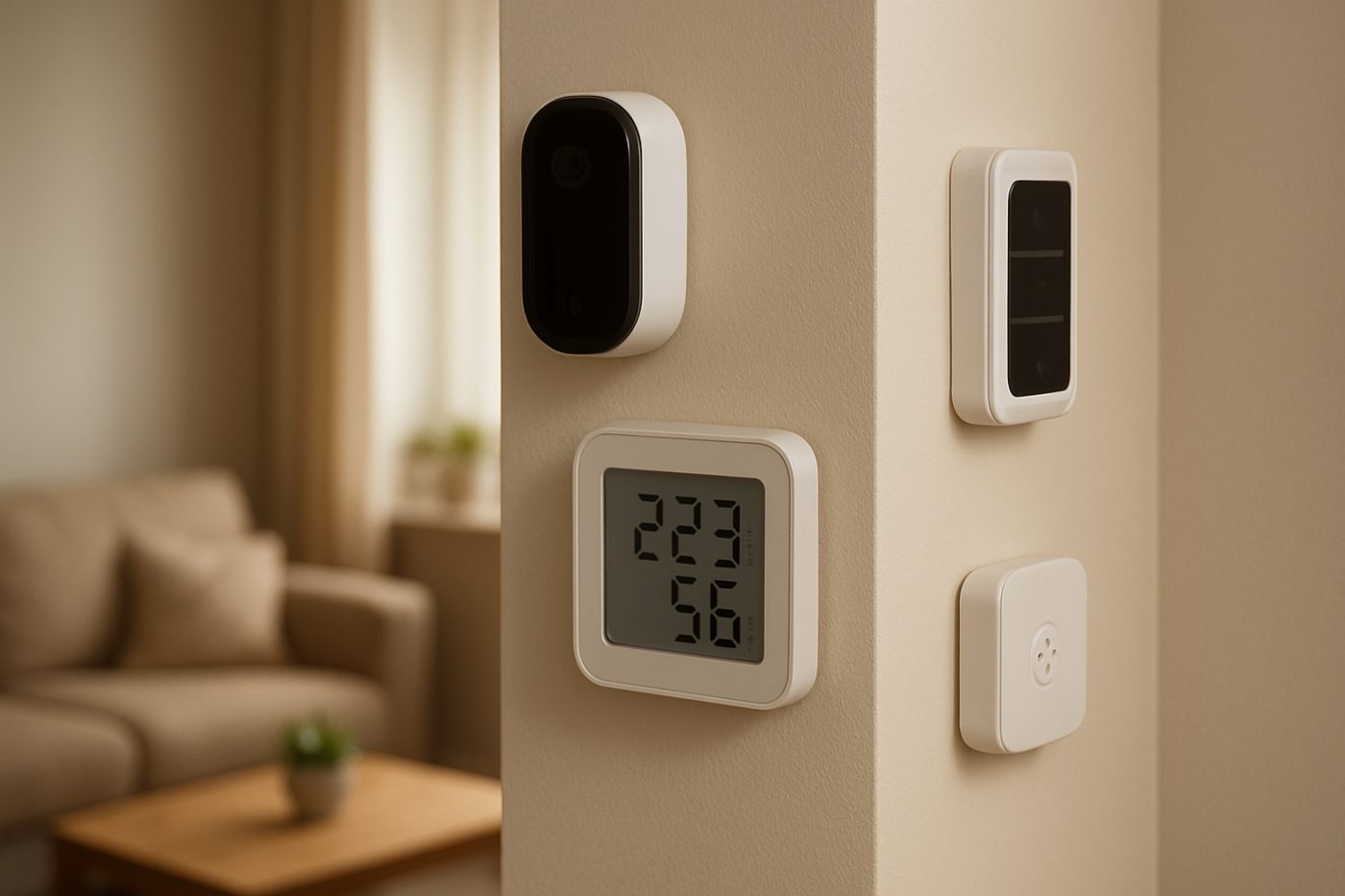
I'm a data engineer. I logged every sensor in my flat for a year to debug 'draughts.' The spreadsheet found a pattern: a heat signature the size of a person, moving room to room, at 3:33 a.m.
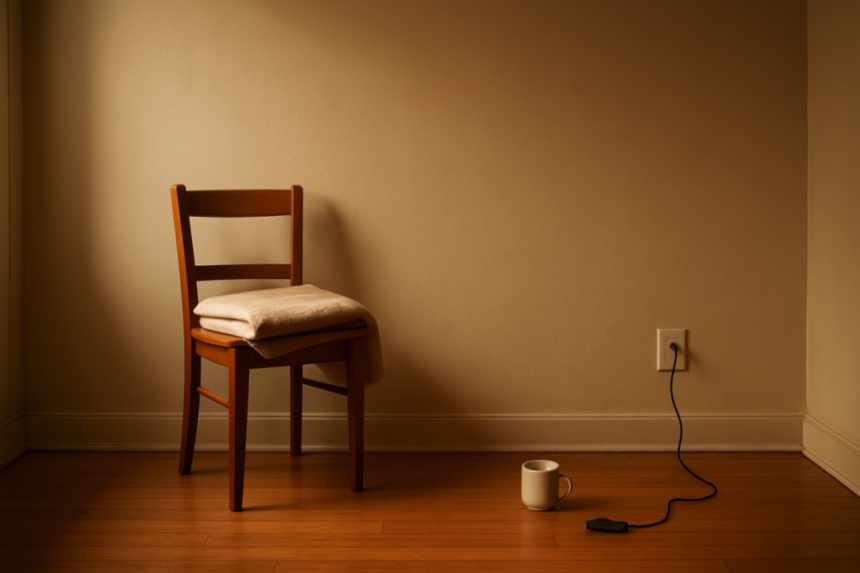
I kept feeling watched in my own bedroom. One night I found the tiny hole behind the framed picture, and behind the wall, in the vacant next unit, a chair, a blanket, and a very patient man.
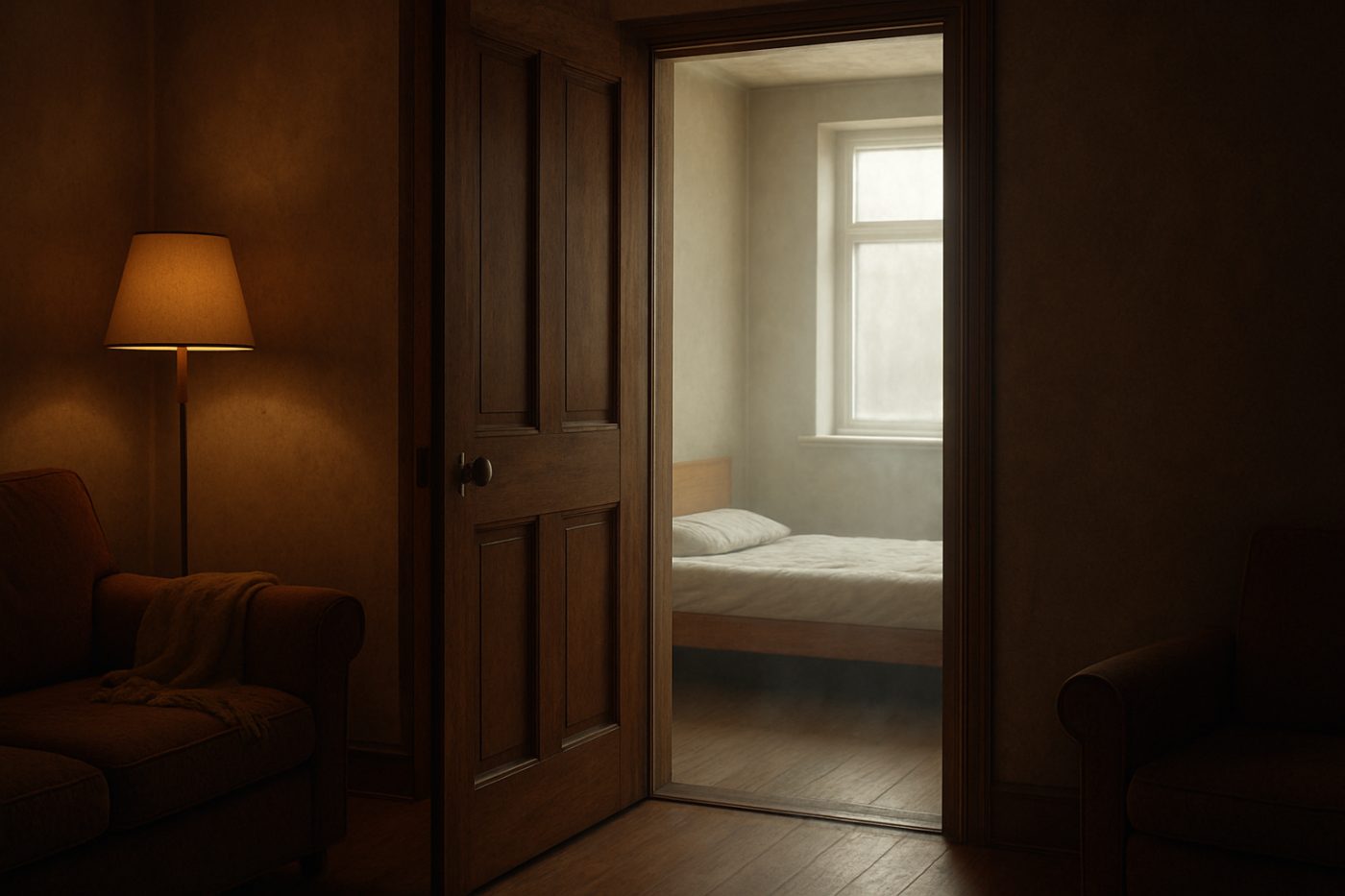
My top-floor flat has a spare bedroom I've never furnished. Every few weeks I come home to find its door — which I keep shut — standing open, and the room a few degrees colder than the rest.
Every night since we moved in, slow footsteps cross the landing above us and stop outside the nursery door. There is no floor above us. We live in a bungalow.
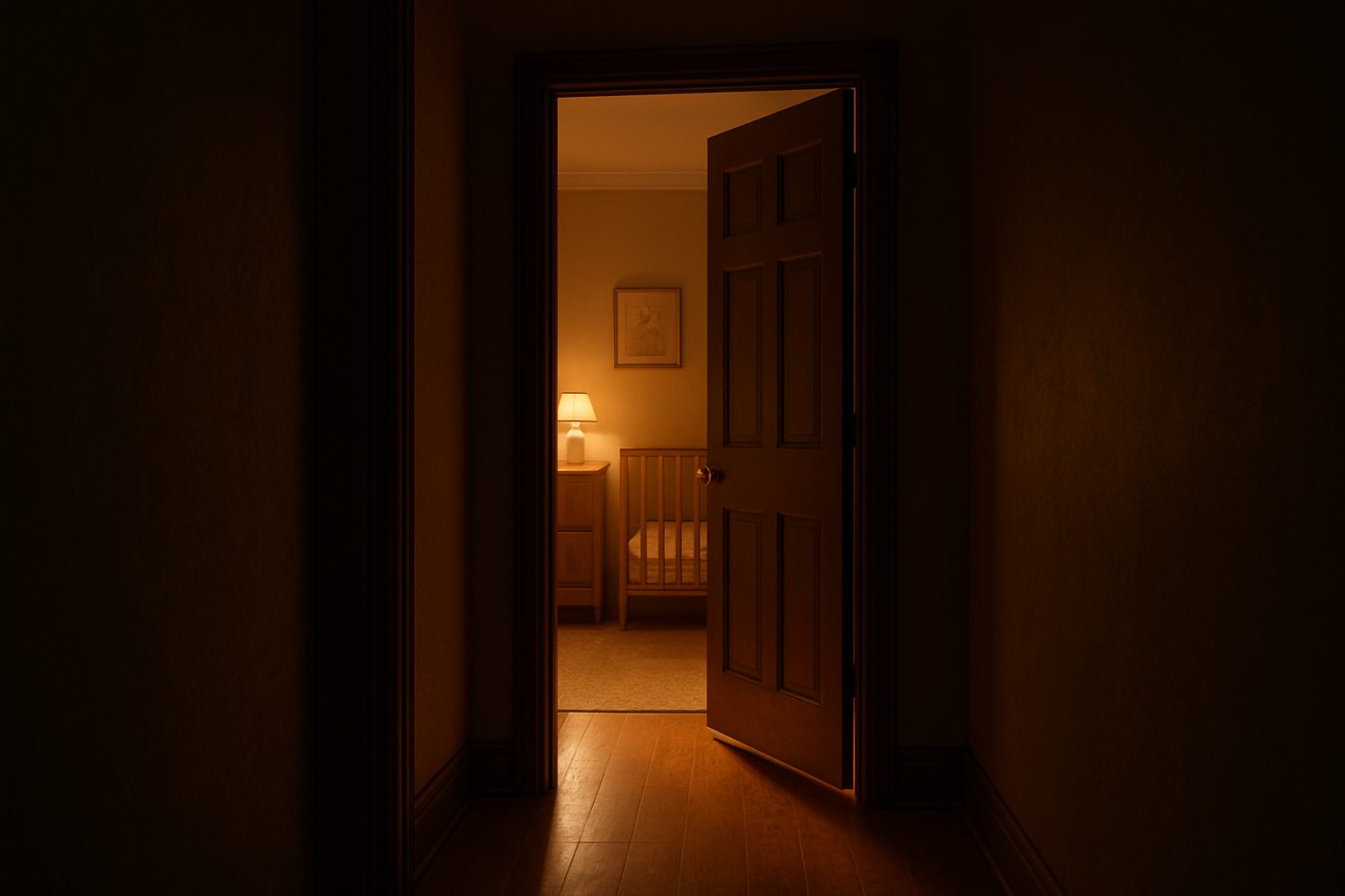
The monitor in our new apartment kept picking up a voice that was not us — a soft, patient voice that used our son's name before we had told a single neighbour what it was.
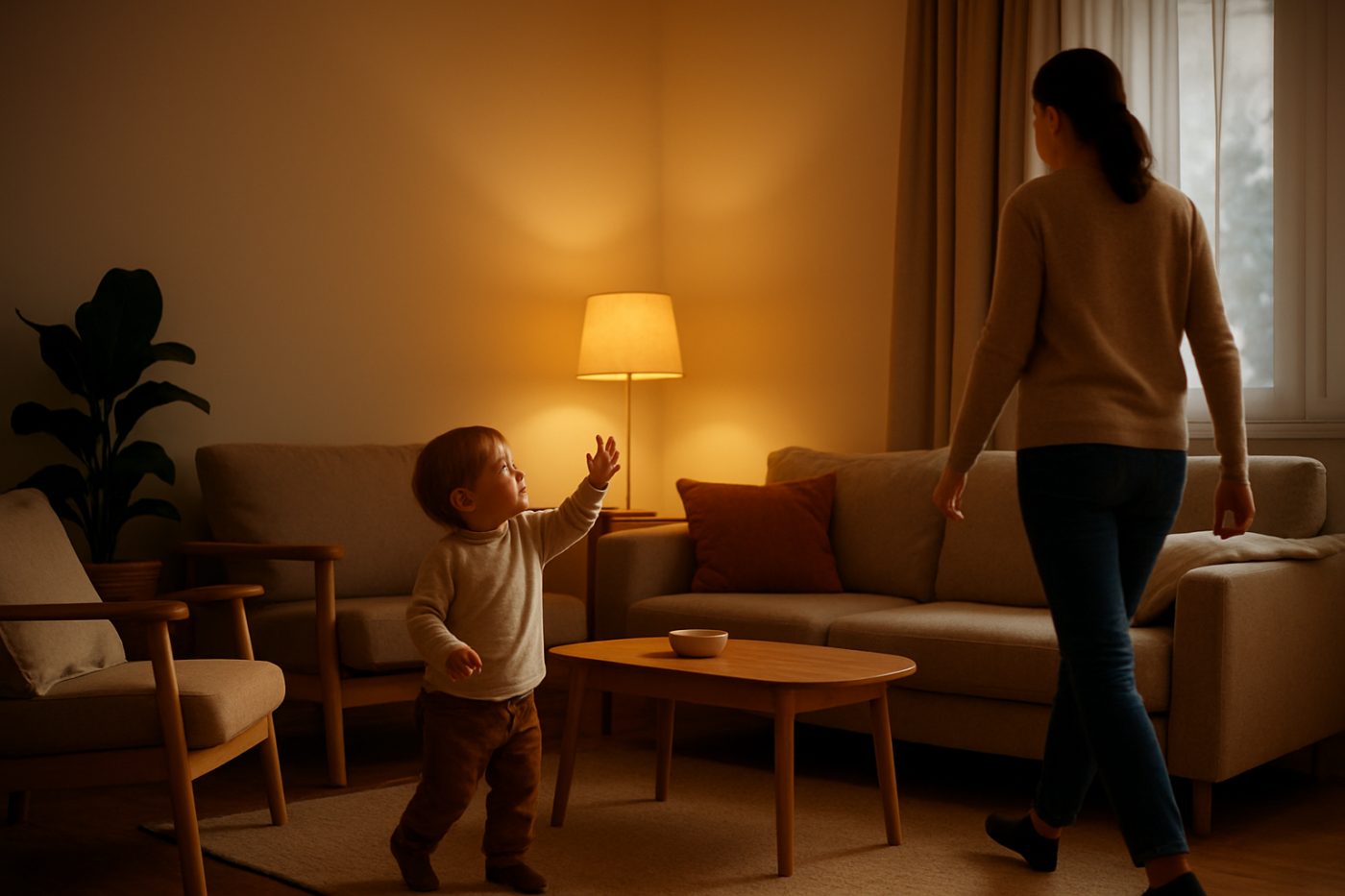
Renovating, I pulled off an old radiator and found a folded note taped behind it. In shaky handwriting: "If you are reading this, do not sleep in the back bedroom. I am sorry. I could not sell it any other way."
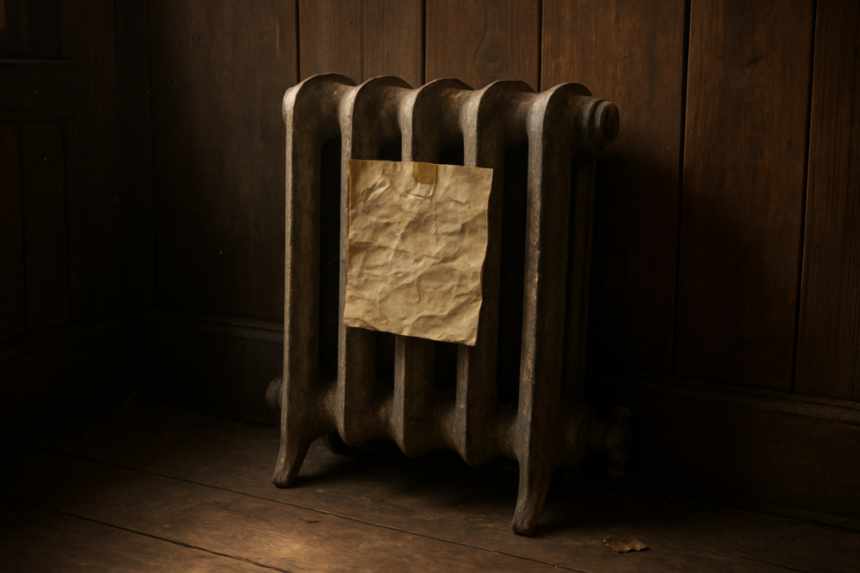
Every night, footsteps crossed the upstairs hall and stopped outside my daughter's room. Cameras showed nothing. Then she started leaving her closet door open "so he can get out," and I found the old handprints.
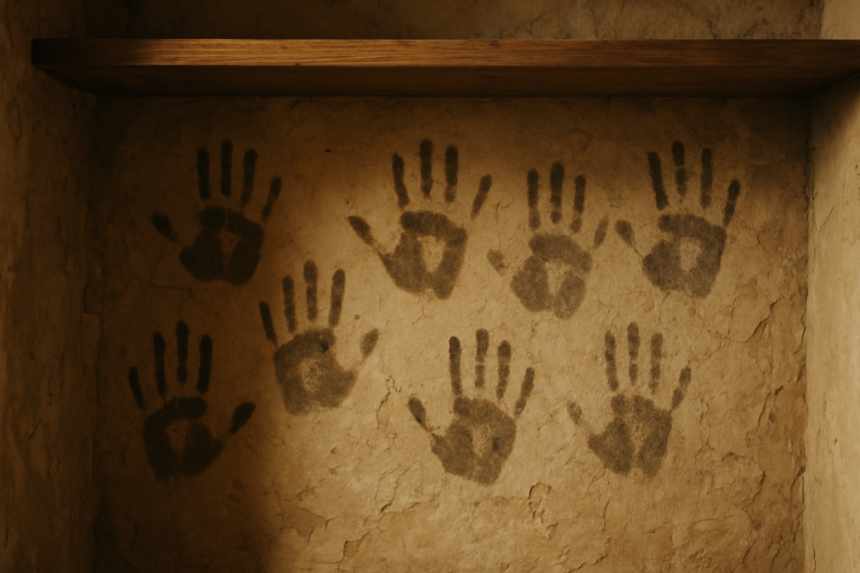
Renters ask is my apartment haunted only after the third night. The particular problem with a flat is that you cannot ever fully close the loop. A house has boundaries you can walk round; a flat has a person above, a person below and two more through the plasterboard, any of whom could account for the footsteps at ten past three. Narrators know this, which is why so many of these accounts read like elimination exercises — the neighbour was in Lisbon that week, the unit above had been empty since March, the pipework runs the other way. The other thing flats do is deny you an ending. Leases run out. People move in December and never learn what the next tenant heard.
Disputes with the person holding the keys are collected in rental nightmares stories, and the cases that turn out to have an entirely human source belong with noisy neighbors. An apartment haunting reads strongest when the author says which floor, which wall and what the building manager replied. Vagueness about the layout is the single quickest way to lose the room.
There’s no scientific proof that ghosts exist, but many people report experiences they can’t easily explain: footsteps, voices, shadows, or objects moving. Some of these can be traced to building noises, neighbors, or anxiety, while others remain unexplained. On this site, you can read first-person accounts and see how the reader jury voted on whether each one felt genuinely true or not.
Older blocks often have creaky pipes, settling foundations, and outdated wiring that can create eerie sounds, flickering lights, and cold spots. High-density living also means neighbors, pets, and street noise can easily be misheard as something supernatural. When you read the stories here, notice how often mundane building quirks and possible paranormal elements are tangled together.
It’s more common than people admit, especially in shared housing and high-rise complexes where noises travel and histories overlap. Many tenants only talk about it after they move out, or anonymously, like the storytellers on this site. The range of reader jury votes shows just how divided people are about how frequent or believable these experiences really are.
Start by ruling out practical causes: check for drafts, loose windows, faulty wiring, noisy radiators, or sounds from other units. Keep a simple log of events to see if there’s a pattern linked to time of day, weather, or building activity. Some people feel better after calmly talking aloud, setting boundaries, or using cultural or religious rituals; others decide that moving is the only thing that truly eases their mind.
Many traditions and ghost stories suggest that intense emotions, trauma, or sudden deaths can “imprint” on a place, especially small spaces like flats where lives overlap. There’s no hard evidence for this, but people often report heavier feelings or more vivid experiences in homes with unsettling histories. Several stories on this page explore exactly that idea, and the jury votes reflect whether readers buy the connection.
Look for consistency and sources: footsteps that line up with the apartment above, banging along pipe runs, or voices coming through vents are usually explainable. If sounds ignore walls and floors, objects move without obvious cause, or electronics behave oddly in specific rooms, it can feel harder to dismiss. Comparing your experiences to those in the stories here—and seeing how the jury judged them—may help you think more critically about your own place.
Smart cameras, mics, and sensors can capture odd glitches—motion alerts with nothing visible, lights turning on, or strange audio clips. Most of the time it’s software errors, sensitivity settings, or reflected light, but a few recordings stay weird even after troubleshooting. Stories that include screenshots, logs, or device data tend to spark lively jury debates about whether technology is revealing something new or just adding more noise.