
The Headstones Past the Tree Line
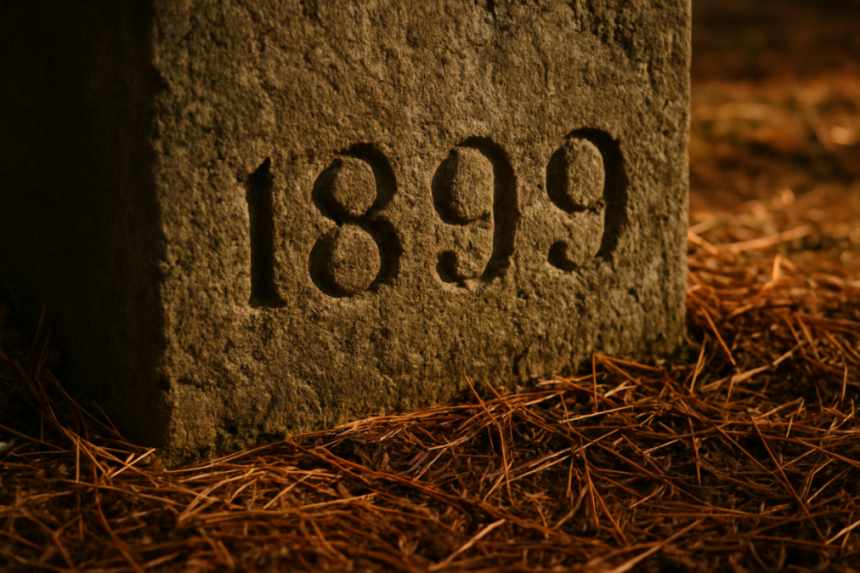
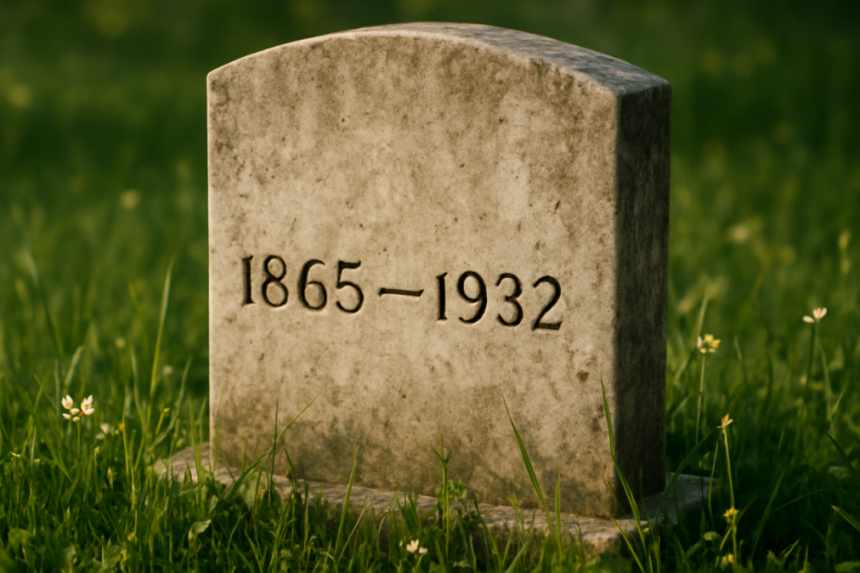
A gravel road runs to a trailhead nobody uses. Past the tree line there is a graveyard on no map, and every stone has the same year, and one of them had my grandmother's maiden name before she was ever born.
Graveyard stories are not all set at midnight: the cemetery ghost stories here include scary cemetery stories that happened on a bright Tuesday morning. Silent burial grounds, forgotten churchyards, military plots and overgrown graveyards: this corner of the site gathers first‑person encounters in and around them all. Here you’ll find late‑night shifts by lonely chapel towers, strange figures lingering between headstones, unmarked war memorial mysteries, roadside shrines, and family plots that don’t stay as undisturbed as they should. Every narrative is told as it happened to the writer, from eerie lights over memorial parks to unsettling advice from those who tend the marble and stone.
These are unverified personal accounts, not reported facts, and every tale is put before a reader jury. You decide what feels plausible, what sounds like superstition, and what might hint at something beyond grief and memory. Read, judge, and cast your vote on each story.
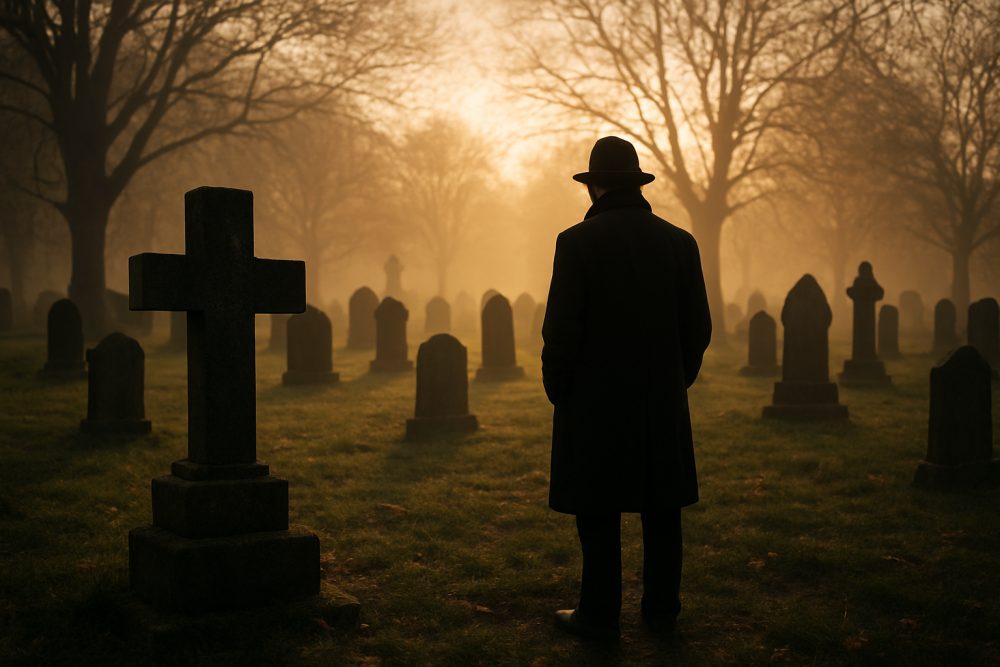
A gravel road runs to a trailhead nobody uses. Past the tree line there is a graveyard on no map, and every stone has the same year, and one of them had my grandmother's maiden name before she was ever born.
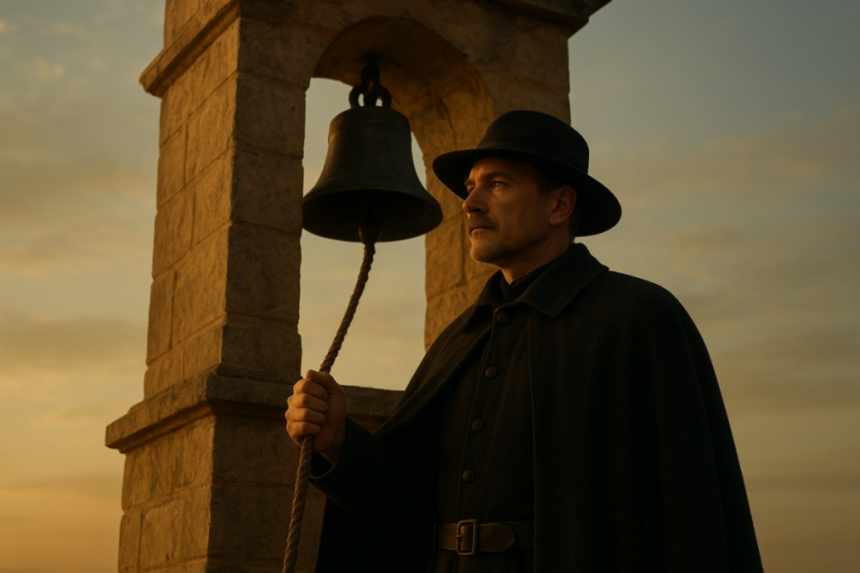
One ring, at 03:00, twice a year. The rope is tied off. He has been told to ignore it. He does not ignore it.
A volunteer transcribing headstones photographed a name that is not on any record. Two days later a man in an old coat told her the spelling.
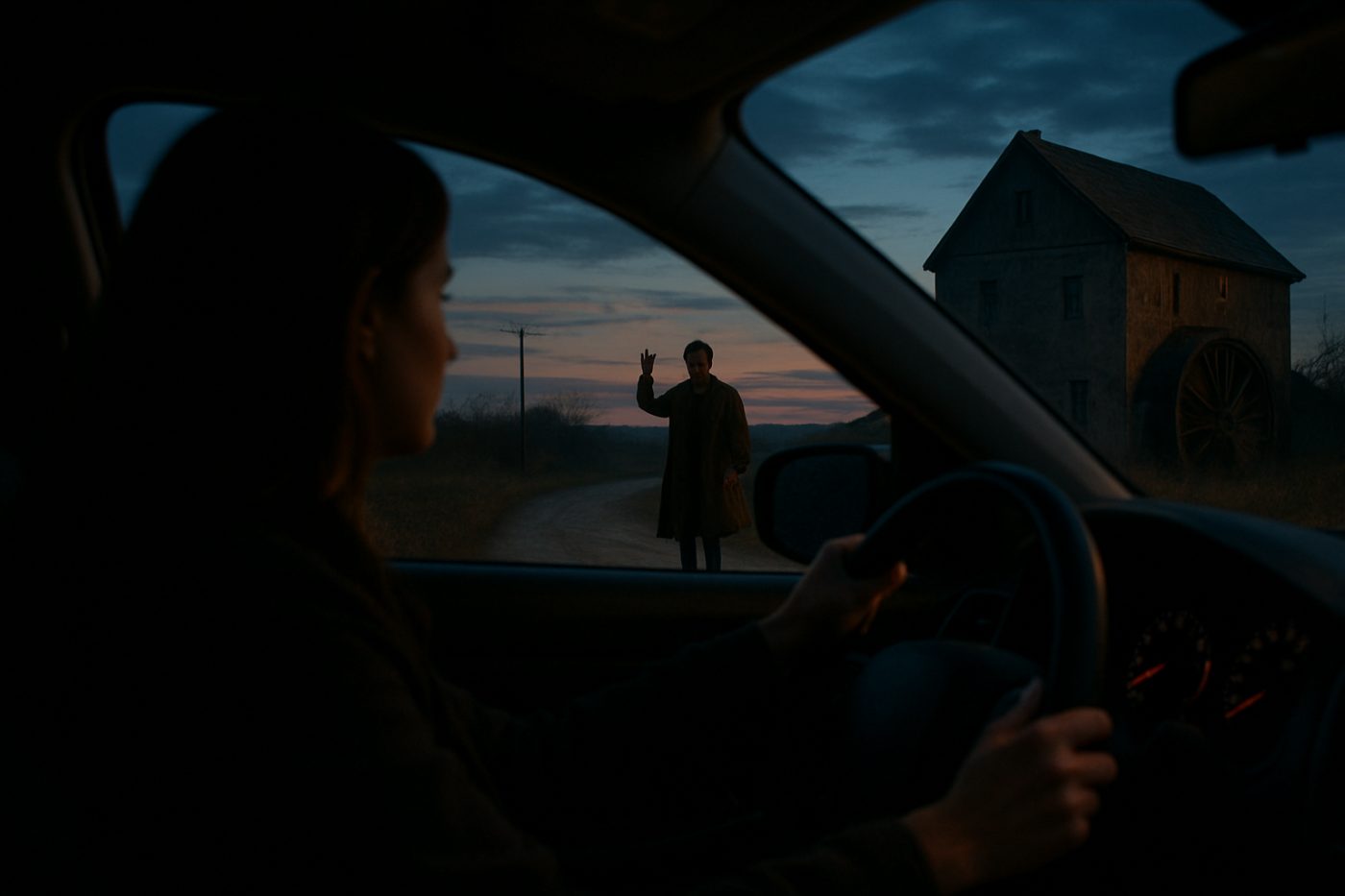
Same coat. Same bag. Twelve miles away. And, when I finally stopped, the same first sentence.
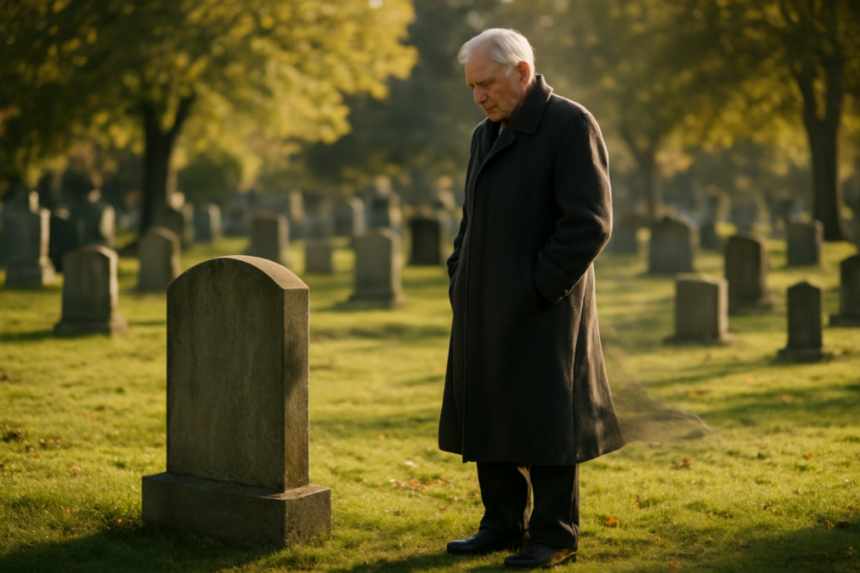
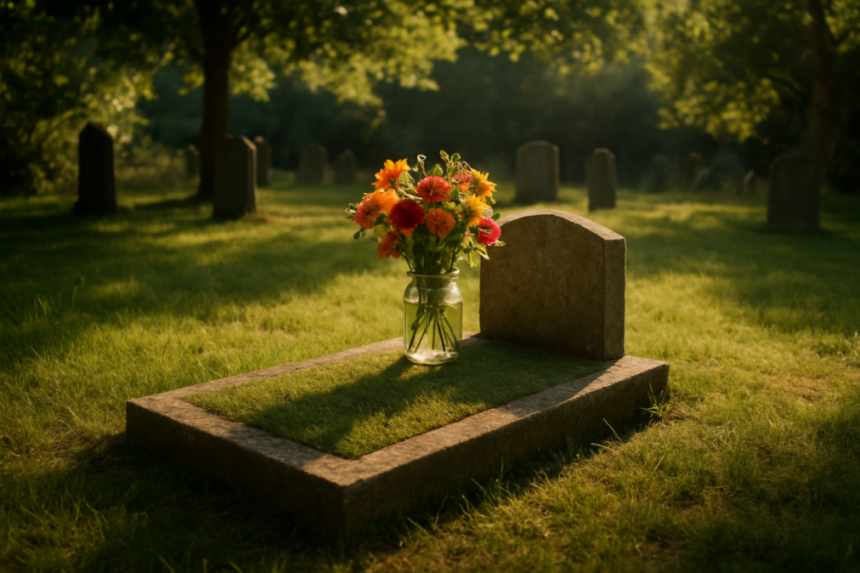
Fresh flowers. Weeds pulled. The glass jar washed. And nobody in my family does it, because there is nobody in my family left but me.
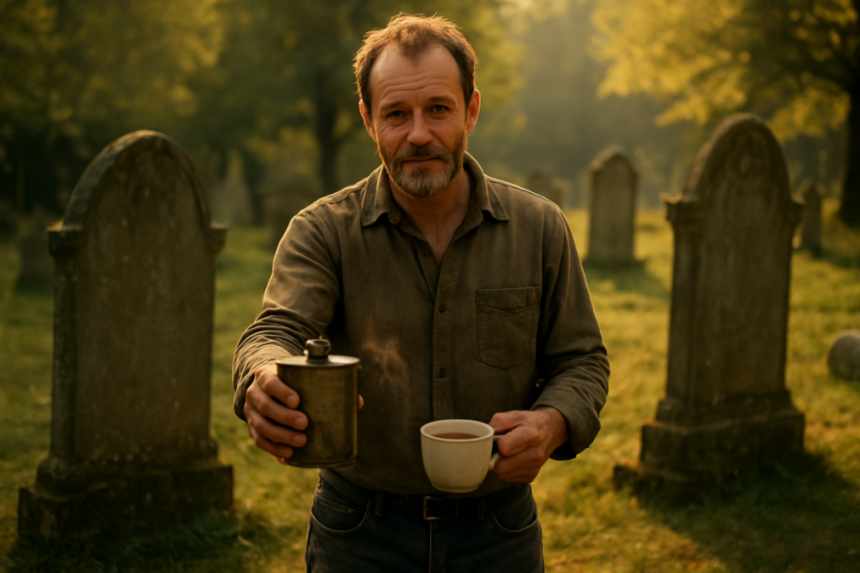
He had done forty years. He was not superstitious. He had a list, and the list was in the back of his diary, in pencil.
I cut through the old cemetery every night after my shift. For years it was nothing. Then a woman in grey started waiting at the same grave, and started looking up.
I only noticed because I visit my mother on her birthday, and the light was there all three times, doing the same slow circuit.
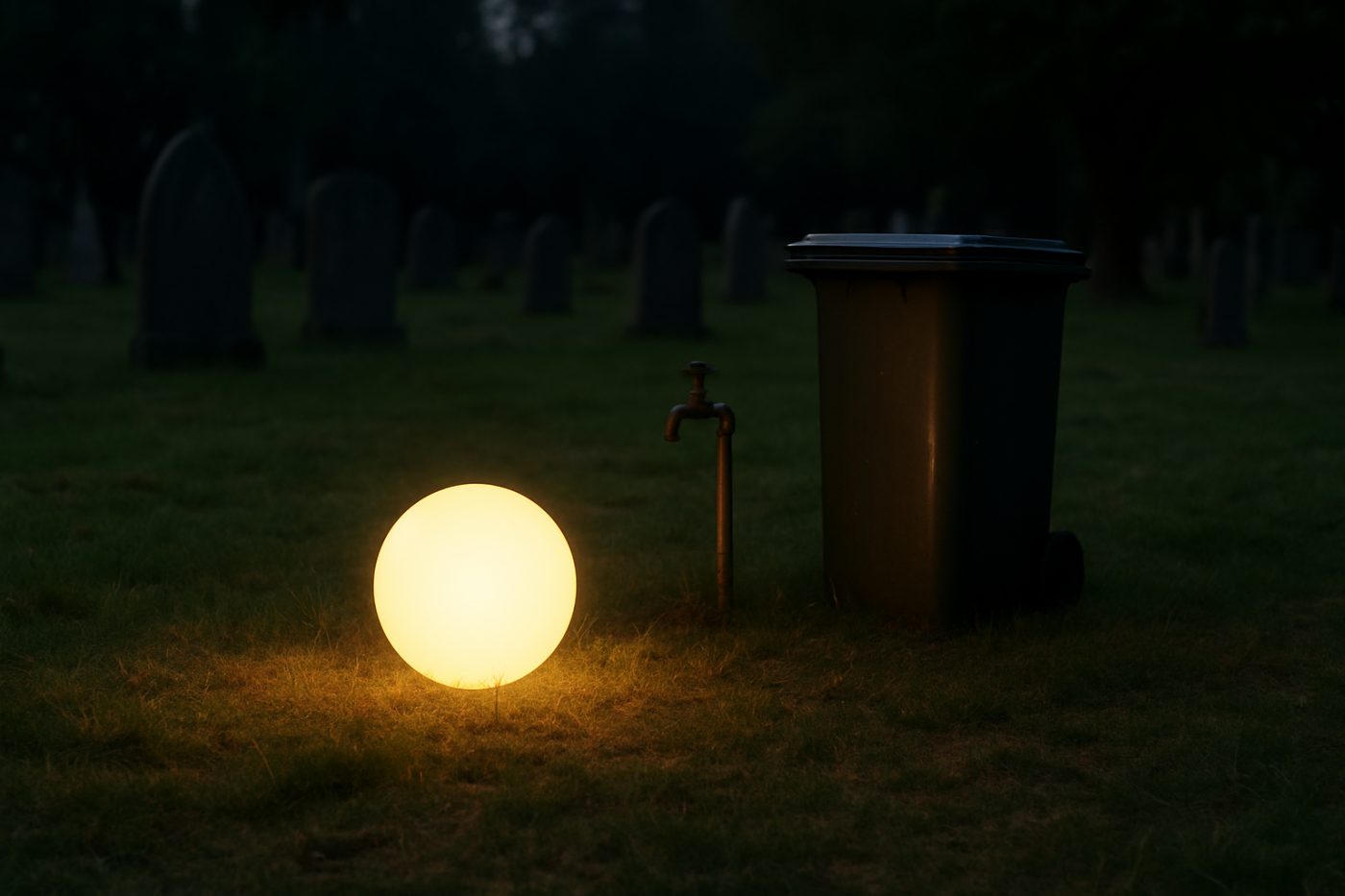
Scary cemetery stories told by the people who work there read differently. Contrary to the obvious expectation, the strongest accounts in this section are not set at midnight. They happen on a Tuesday morning at a family plot, with a watering can and a bus to catch. The narrator notices something small — a name they were not looking for, a bird that will not move, a man tending a grave who is not there when they turn back — and goes home and thinks about it for a decade. The night-time trespass stories are more dramatic and considerably less convincing. Groundskeepers who write in tend to be the driest voices on the site: they have seen every trick the light plays between stones, and they still keep a list.
Wider ground is covered in haunted places, and the sites nobody maintains any more sit with abandoned places. Accounts set in a cemetery divide readers along a predictable line: they are patient with grief and impatient with anyone who went looking for a fright at two in the morning and duly found one. Respect for the place tends to buy a writer a hearing.
Some graveyard experiences are rooted in real personal accounts, and others grow into legends as they’re retold. On this site, each first‑person story is presented as the writer remembers it, and the reader jury votes on how believable it feels. Reading both the tales and the vote breakdown can help you see which details other people find plausible or not.
Burial grounds are quiet, dark, and emotionally charged, which can heighten awareness and make ordinary sounds or shadows feel uncanny. Grief, suggestion, and fear can all influence what people think they see or hear. When you read night-time accounts here, the jury reactions often show how much context and mood shape our interpretations.
Feeling watched in a memorial park is fairly common, especially when you’re alone or already uneasy. Our brains are tuned to notice possible threats in unfamiliar spaces, so rustling leaves or distant footsteps can feel personal. Many writers here describe that sensation, and the jury votes often reflect whether readers see it as psychology, the setting, or something unexplained.
Yes, many reported lights and noises have possible natural causes like wildlife, distant traffic, faulty wiring, or reflections from nearby roads. Low light, temperature changes, and acoustics between stone markers can also distort perception. When you compare multiple stories on this site, patterns emerge that readers in the jury often point to as either environmental or eerie.
First, focus on your safety: stay calm, stick to lit paths, and leave if you feel genuinely unsafe. Later, you can write down exactly what happened and how you felt; comparing your account with other visitors’ stories and jury reactions here may help you see it in a wider context. If the experience continues to bother you, talking with someone you trust can also be helpful.
Repeated sightings in a churchyard or plot can stem from habit, expectation, or a particular place that already feels significant. Once a person links a spot with something uncanny, it’s easy for the mind to fill in that figure again on later visits. When similar characters recur across different stories on this site, the jury tends to weigh whether it suggests shared psychology, local folklore, or something harder to explain.
Entering burial sites after hours may be against local rules, and it can be physically risky because of poor lighting and uneven ground. Many people also feel that treating resting places as ghost-hunting locations shows a lack of respect for the dead and their families. Reading the night-time accounts and how the jury responds to the narrators’ choices may give you a sense of where others draw the line.