
The Intern Who Got Me Fired With One Spreadsheet
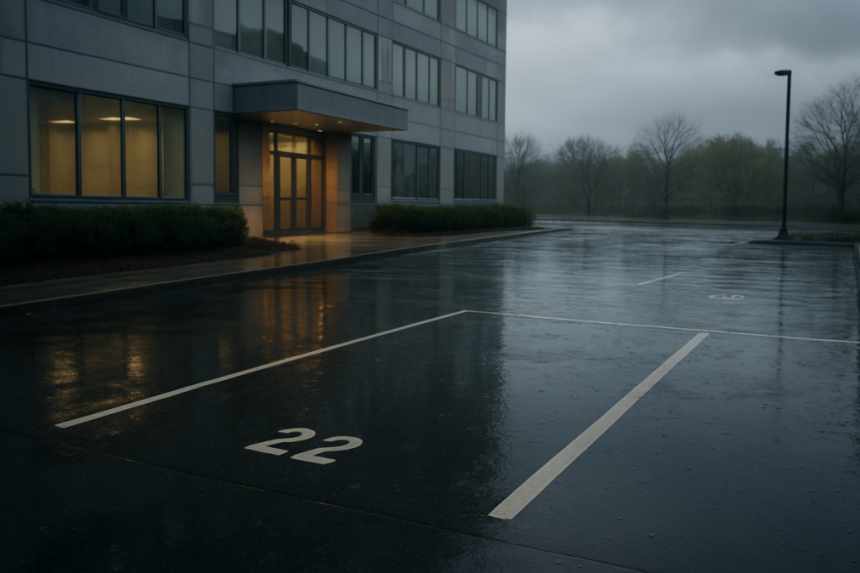
A twenty-year-old summer intern built a dashboard that made my whole team look redundant. Three weeks later four of us were gone and he had a full-time offer and my parking spot.
I got fired — and so did everyone here. This tag is packed with first-person workplace disasters: sudden terminations, wrongful dismissals, bizarre HR blunders, and late-night shifts that went sideways. Here you’ll find personal accounts of people called into “quick meetings” that ended their jobs, let go over ridiculous misunderstandings, laid off by glitchy systems, or quietly pushed out when they least expected it. From interns and part-timers to long-timers shown the door, these narratives dive into the shock, anger, and sometimes dark humor of losing your position.
Every story is submitted by a real storyteller and read by a jury of visitors who decide if each incident actually happened or is completely made up. Nothing here is investigated or confirmed; it’s all about how believable the saga feels. Start reading, cast your vote, and see which firings the crowd thinks are real.

A twenty-year-old summer intern built a dashboard that made my whole team look redundant. Three weeks later four of us were gone and he had a full-time offer and my parking spot.
My timesheet showed hours I never worked. Late nights, weekends, all under my login. The truth got me fired for fraud I did not commit, and I still do not know who did.
A payroll glitch terminated me on a Friday. By Monday a recruiter from my own company was cold-calling me about my exact old job, with no idea who I was.
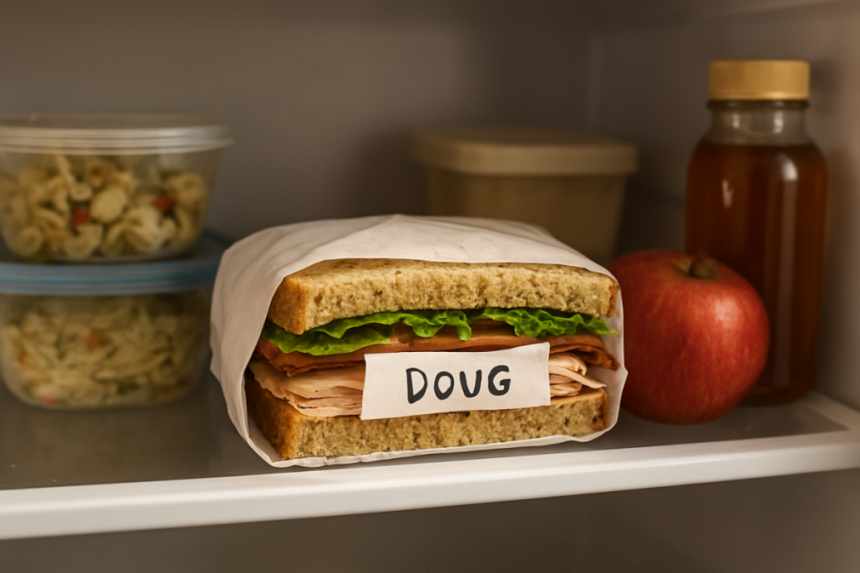
Eleven years of clean reviews, gone because a turkey club went missing from the fourth floor fridge and my badge was the last one to open the kitchen door.
The warehouse logs showed someone clocking pallets at 3am on nights we had no crew. When I asked too many questions about it, I was quietly let go for a policy nobody could name.
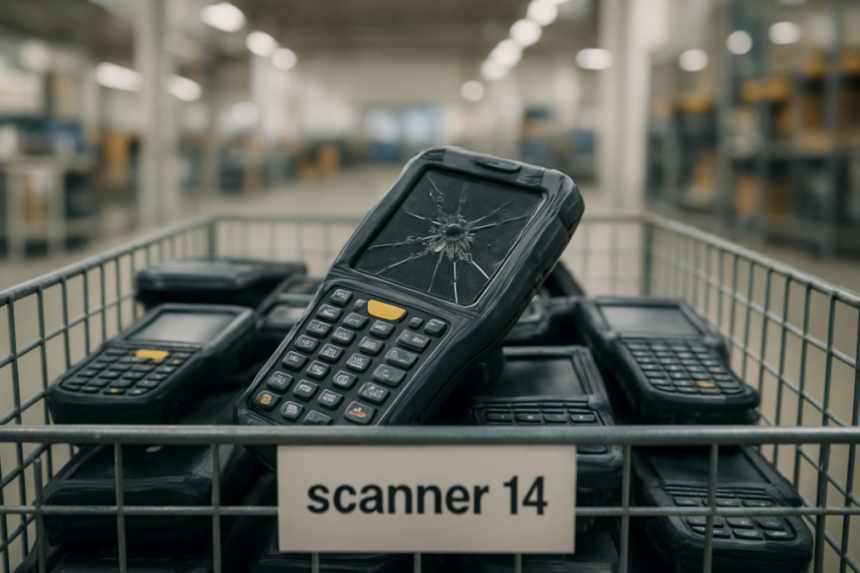
Stories that open with “I got fired” follow a shape so consistent it becomes a tell. There is a calendar invitation with no subject line, a second person in the room who says nothing, and a folder already printed. Narrators describe noticing the folder first. What varies is the reason given, and how little it matches the reason everyone on the floor assumes. A fair number of contributors admit, several paragraphs in, that they saw it coming and had been arranging their inbox for weeks. Employment lawyers reading along would say most of these stories describe a decision made long before the meeting, with the meeting existing only to record it.
The blunders that lead up to a dismissal are collected under work fails, and the managers who engineer them turn up throughout horrible bosses. Readers voting on these accounts are noticeably harsher on revenge endings than on the quiet ones; a narrator who walks out with a box and no speech tends to be believed. Getting fired is rarely cinematic, whatever the retelling suggests.
Every story is submitted as a first-person account, and the community reads them and votes on whether they believe it really happened. Some tales sound wild, but workplaces can be messy in surprising ways, and the jury results give you a sense of how plausible other readers find each one.
There’s no single reliable number, but many people describe feeling that their dismissal was unjust or based on incomplete information. Reading through the accounts here shows just how varied those experiences can be, and the jury votes highlight which situations other readers find believable or relatable.
Minor issues can blow up when there’s poor communication, stressed managers, or strict company policies that leave no room for nuance. The stories on this page show how paperwork errors, schedule mix‑ups, or a single incident can snowball, and the community voting helps separate the plausible from the exaggerated.
Feeling shocked, angry, or embarrassed is very common after an abrupt dismissal, and it usually takes time to process what happened. Many readers say that seeing similar stories and the jury reactions helps them feel less alone and gives perspective that these situations happen to all kinds of people.
Yes, it can happen when blame gets assigned quickly, documentation is sloppy, or management trusts the wrong version of events. Several accounts here revolve around being held responsible for someone else’s error, and the reader jury weighs in on whether those scenarios sound realistic.
It does happen, especially when a company realizes a mix‑up or policy error after the fact. Some stories describe being brought back under awkward circumstances, and the voting on those narratives shows how often readers think companies would actually reverse a decision like that.
Time‑clock issues, missed shifts, or mysterious schedule changes are a very real source of workplace conflict. The accounts on this tag include everything from innocent mix‑ups to suspected fraud, and the jury votes are a good indicator of which timekeeping dramas people find most believable.
While it sounds extreme, disputes over food, breaks, or small policy violations can trigger discipline in strict or toxic workplaces. Some stories here explore exactly that kind of overreaction, and the reader jury helps gauge whether others think a company would go that far.