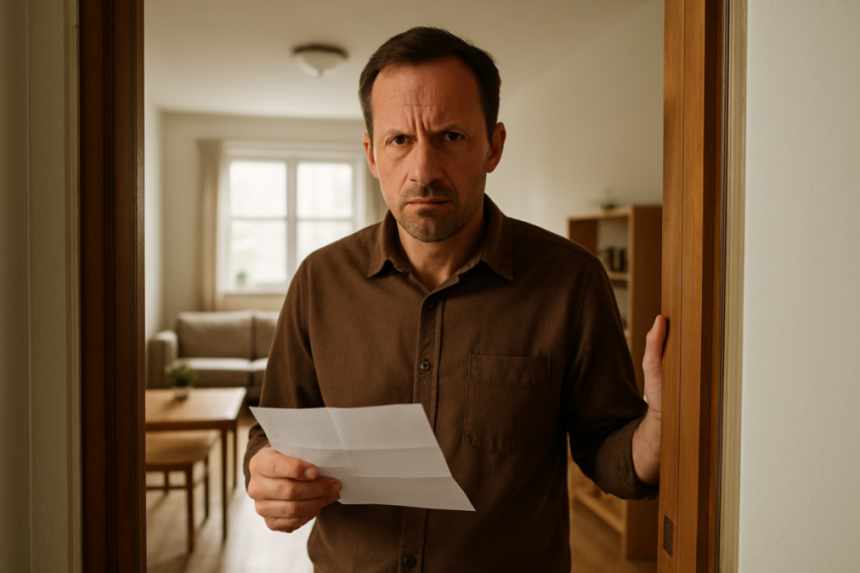
Notice given, or notice claimed
Deposits, notice periods and repairs make up the bulk of these landlord horror stories, and all three turn on the same question: whether anyone wrote it down at the time. Writers who photographed the skirting boards on the day they moved in tend to end their accounts calmly. Those who relied on a friendly conversation in the hallway tend to end them in a small claims queue. The sceptical position deserves stating — not every difficult owner belongs with the genuinely bad landlords, and an owner with one flat and a failed boiler is not automatically a villain, and every version here is told by the person who lost. Even so, the detail that recurs across hundreds of these is entry without warning, and that was never about money.
The full-scale disasters are gathered in rental nightmares stories, and accounts where someone found equipment they had not agreed to sit under hidden cameras. A landlord story earns its verdict on dull specifics: the date of the message, the sum in dispute, what the agreement actually said. Jurors are quick to notice a narrator who has left something out.
Frequently Asked Questions
Are landlord horror stories online actually true?
Some shocking rental stories really happened, others are exaggerated or misremembered. On this site, each first‑person account is read and then the jury votes on how believable it feels. That doesn’t guarantee truth, but it does give you a sense of how other readers judge the events.
Why do some property owners ignore tenant complaints?
Owners may be overwhelmed, careless, trying to save money, or simply bad at communication. In the stories here, you’ll see a range from genuinely negligent behavior to simple misunderstandings. Reading the jury reactions can help you see when people think something crossed the line.
How common are bad rental experiences with a landlord or letting agent?
Most tenancies are fairly uneventful, but enough people have had problems that “nightmare landlord” stories are a recognizable genre. The volume and variety of accounts on this site show that difficult situations are not rare, even if they’re not the norm. The jury votes can give a sense of which scenarios feel typical versus extreme.
Can an owner just come into my apartment whenever they want?
In many places, a landlord is expected to give notice and have a valid reason to enter, except in emergencies. Stories where someone lets themselves in without warning often make jurors vote “unbelievable” unless there’s a clear motive, because it feels like such a big breach of privacy. Always check local rules for specifics, not anecdotes.
Why do security deposit disputes happen so often with rentals?
Deposits sit at the intersection of money, expectations, and emotions, so both sides can feel wronged. Many stories here involve disagreements over what counts as “damage” or “normal wear and tear,” and the jury often sides with whoever documented things better in their account. Reading different cases can help you see patterns and prepare for your own move‑out.
Are absentee landlords really a thing or just a story cliché?
Owners who are hard to reach do exist, especially when they live far away, use poor managers, or treat the place as a side investment. On this site, reader juries tend to believe absentee scenarios when the storyteller shows realistic details of delayed repairs and mixed communication. It’s a cliché because it’s based on real behavior, just not every owner.
What should I do if my building manager seems sketchy but nothing “big” has happened yet?
Trust your instincts, document everything in writing, and keep records like photos, emails, and texts. Many stories here turn from “odd” to serious over time, and jurors often point out early red flags that the narrator missed. Learning from those patterns can help you decide when to set firmer boundaries or seek outside help.
Why do neighbors and tenants so often end up in conflict about shared spaces?
Shared walls, noise, parking, and common areas create constant opportunities for friction. Stories about fences, party houses, or mystery doors show how small issues can snowball when communication breaks down, and juries usually respond strongly to whether each side tried to solve the problem calmly. Seeing those dynamics play out in real accounts can make it easier to handle your own neighbor disputes.