
The Radio Turned Itself to Static Every Time I Woke Unable to Move
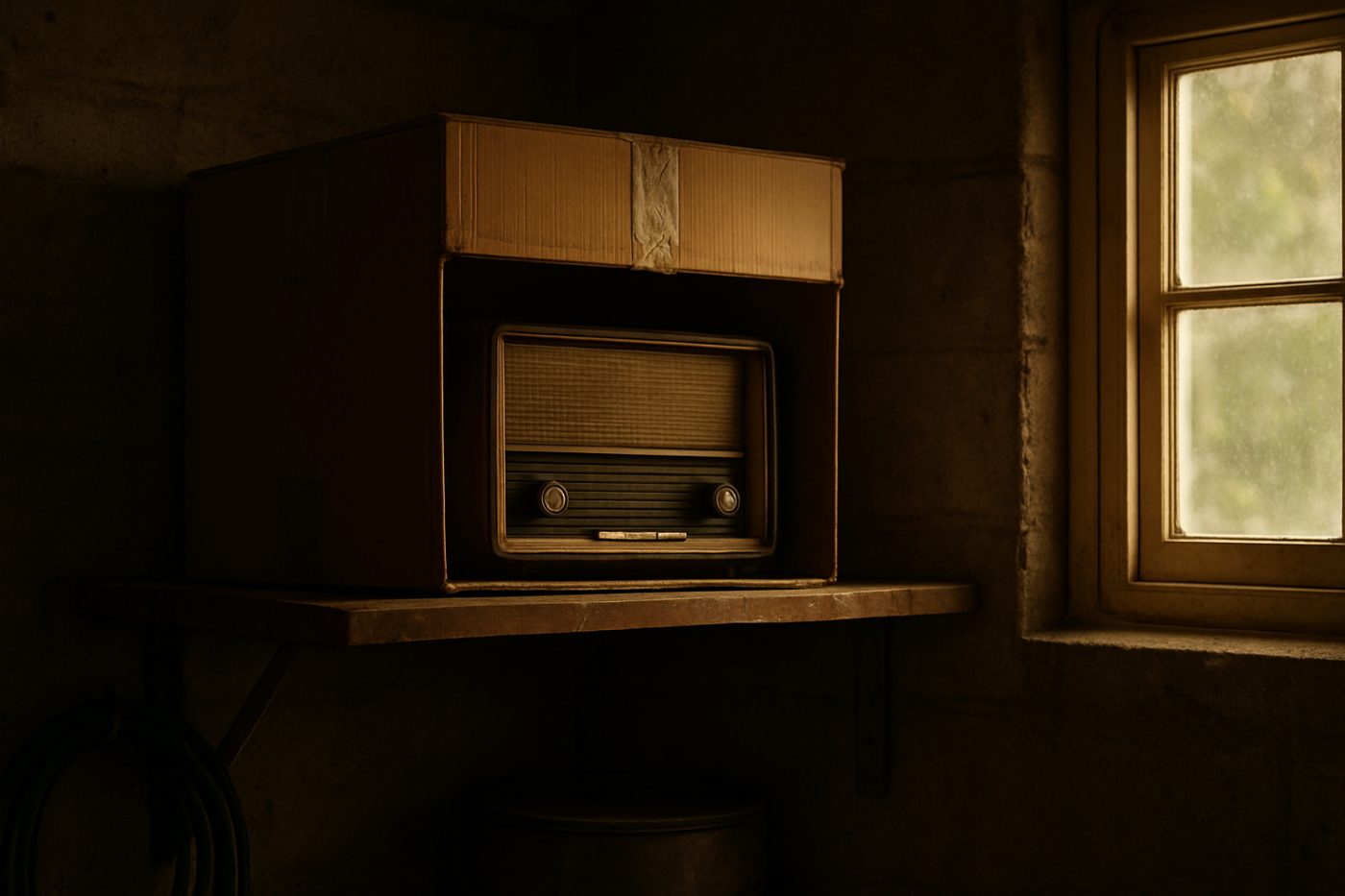
My father's old bedside radio only came on during the attacks, hissing static in a dark room, while I lay frozen listening for the voice I was sure was hidden inside it.
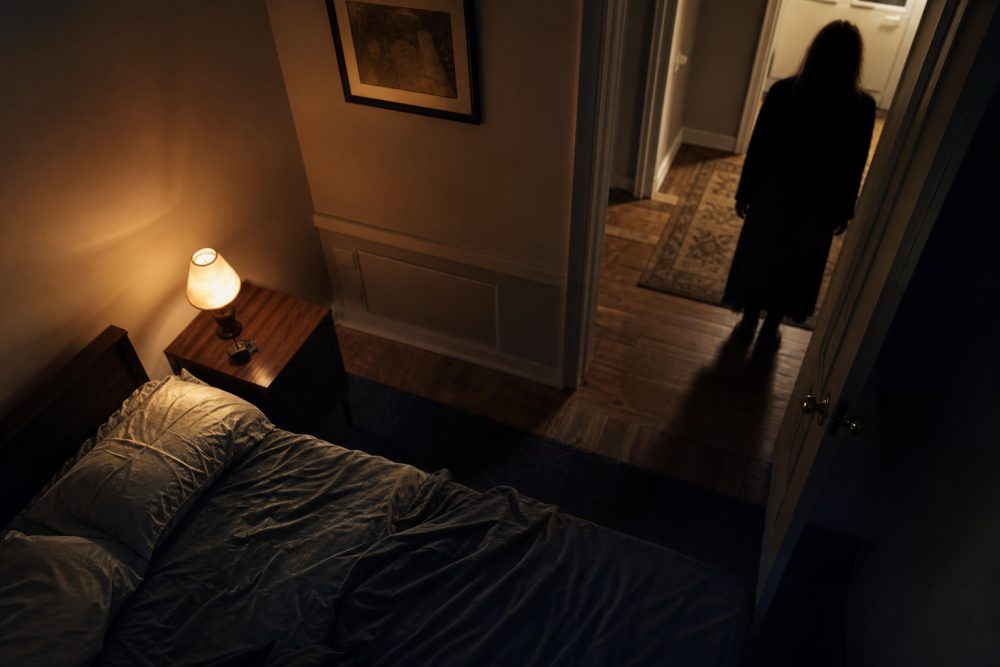
Some people jolt awake to find the room wrong: a pressure pinning their chest, a figure at the foot of the bed, a voice using their own mouth. This tag collects first‑person night terror stories of bedtime paralysis, hypnagogic visitors, suffocating presences, and late‑night episodes where the mind is alert but the body will not move. Expect confessions of recurring 3 a.m. awakenings, inherited folklore about bedroom spirits, and unsettling moments when family members begin sharing the same nocturnal intruder. These are not researched cases or proven events, but raw, subjective narratives.
On this page, every confession of sleep‑bound dread is put before a reader jury. After each story of midnight dread and dreamlike intrusion, you decide: did this really happen, or is it crafted fiction wearing the mask of memory? Read, vote, and see which accounts of Night Terrors the crowd believes.
My father's old bedside radio only came on during the attacks, hissing static in a dark room, while I lay frozen listening for the voice I was sure was hidden inside it.
To prove to myself the night attacks were only in my head, I set up a camera. The footage showed me lying perfectly still. And then it showed my lips moving.
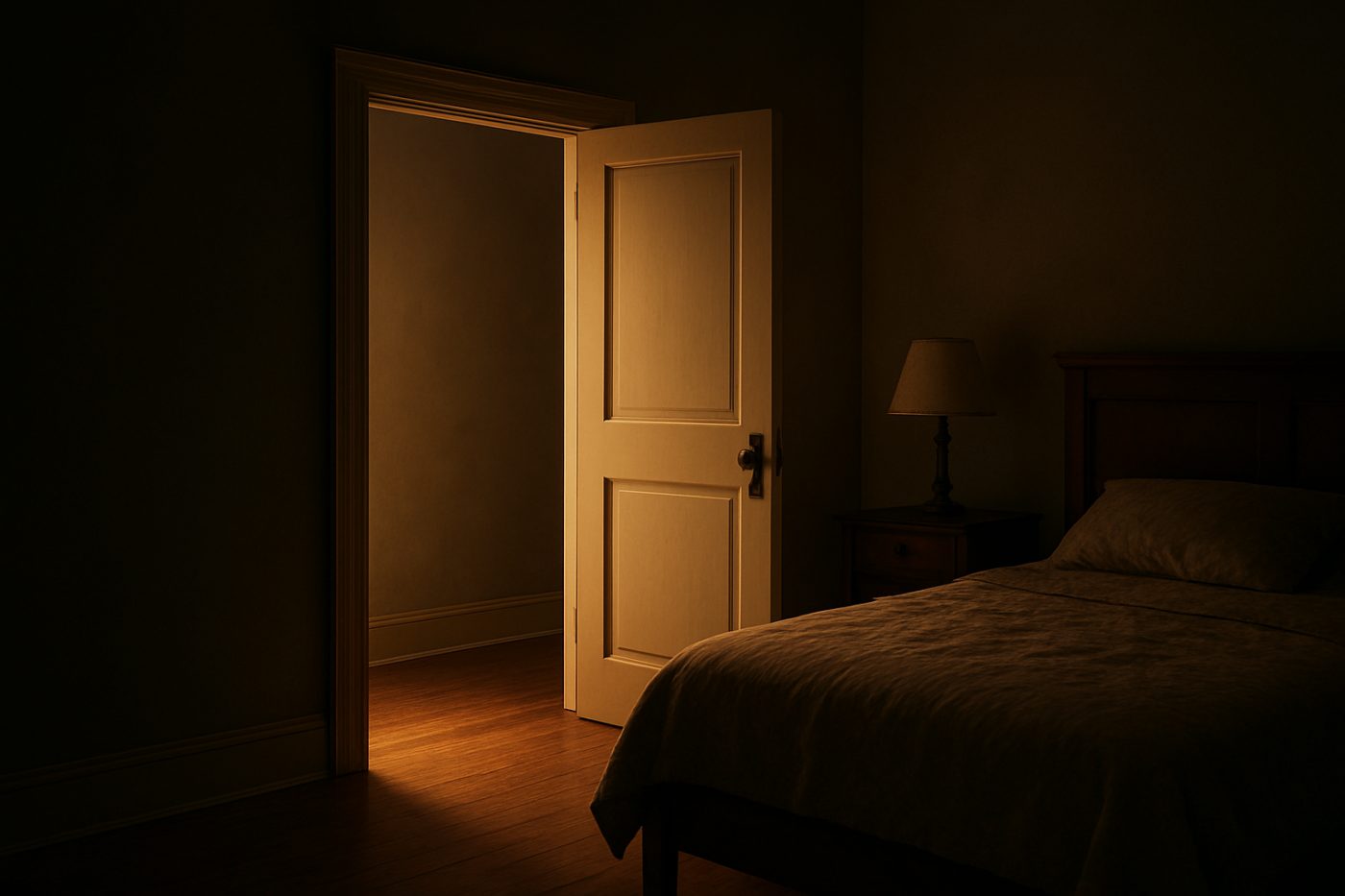
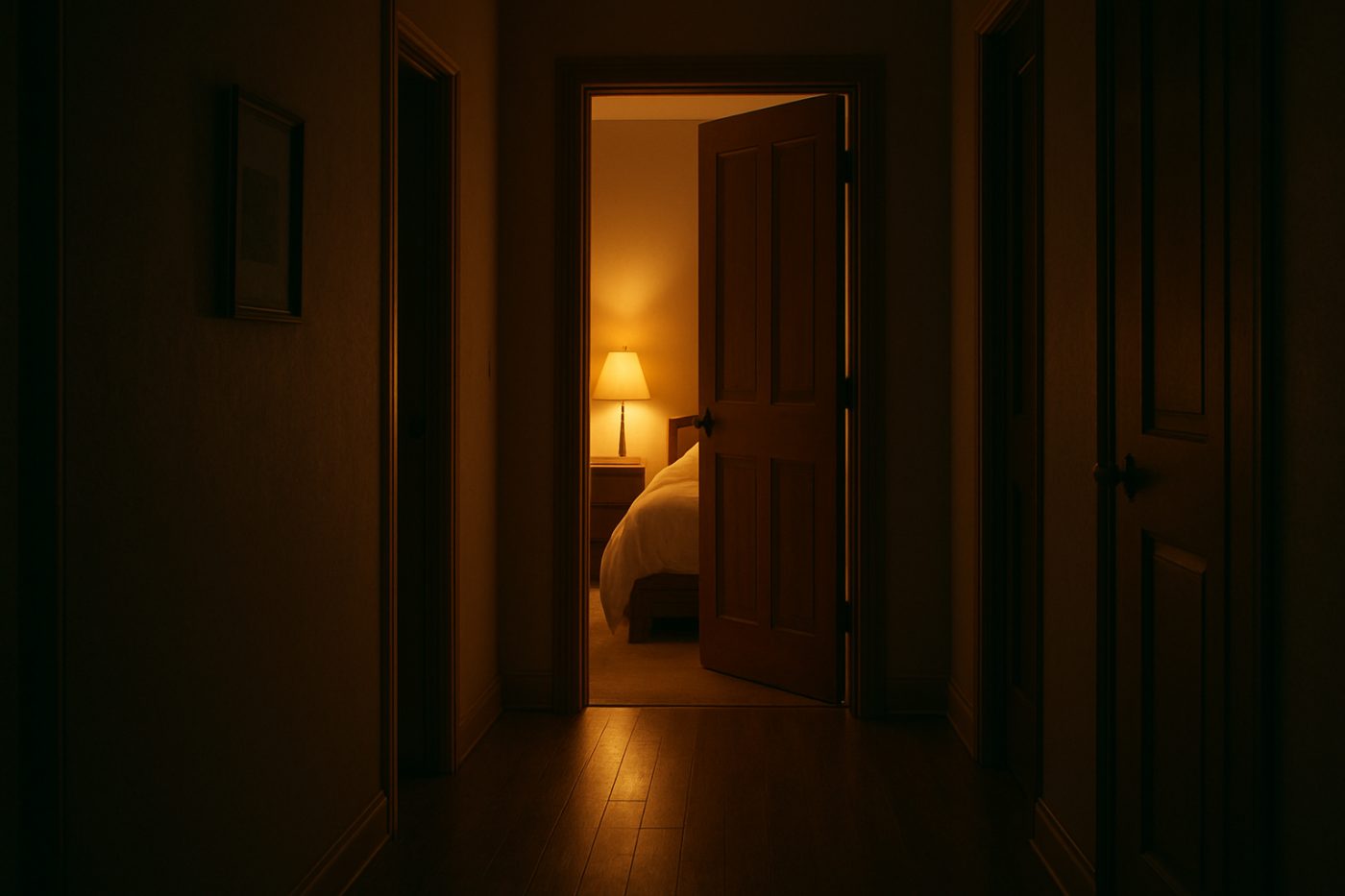
I never leave the hall light on. But when the paralysis takes me at 3:33 exactly, it is always burning, throwing a long shadow across my floor that has no one to cast it.
Grandma had a name and a ritual for the thing that sits on your chest at night. I laughed at her salt and her scissors. I am not laughing anymore. It found my room.

My four-year-old kept waking at night pointing at the corner, terrified of a lady only he could see. I told him it was a dream. Then I woke frozen, and she was there.
Rotating hospital shifts wrecked my body clock. I started waking paralyzed at odd hours, a weight crushing my chest. The doctor had a name for it. That did not help.

For three nights running I woke unable to move, a pressure on my ribs like a knee. On the fourth night, I heard it breathe. Was it stress, or something waiting?
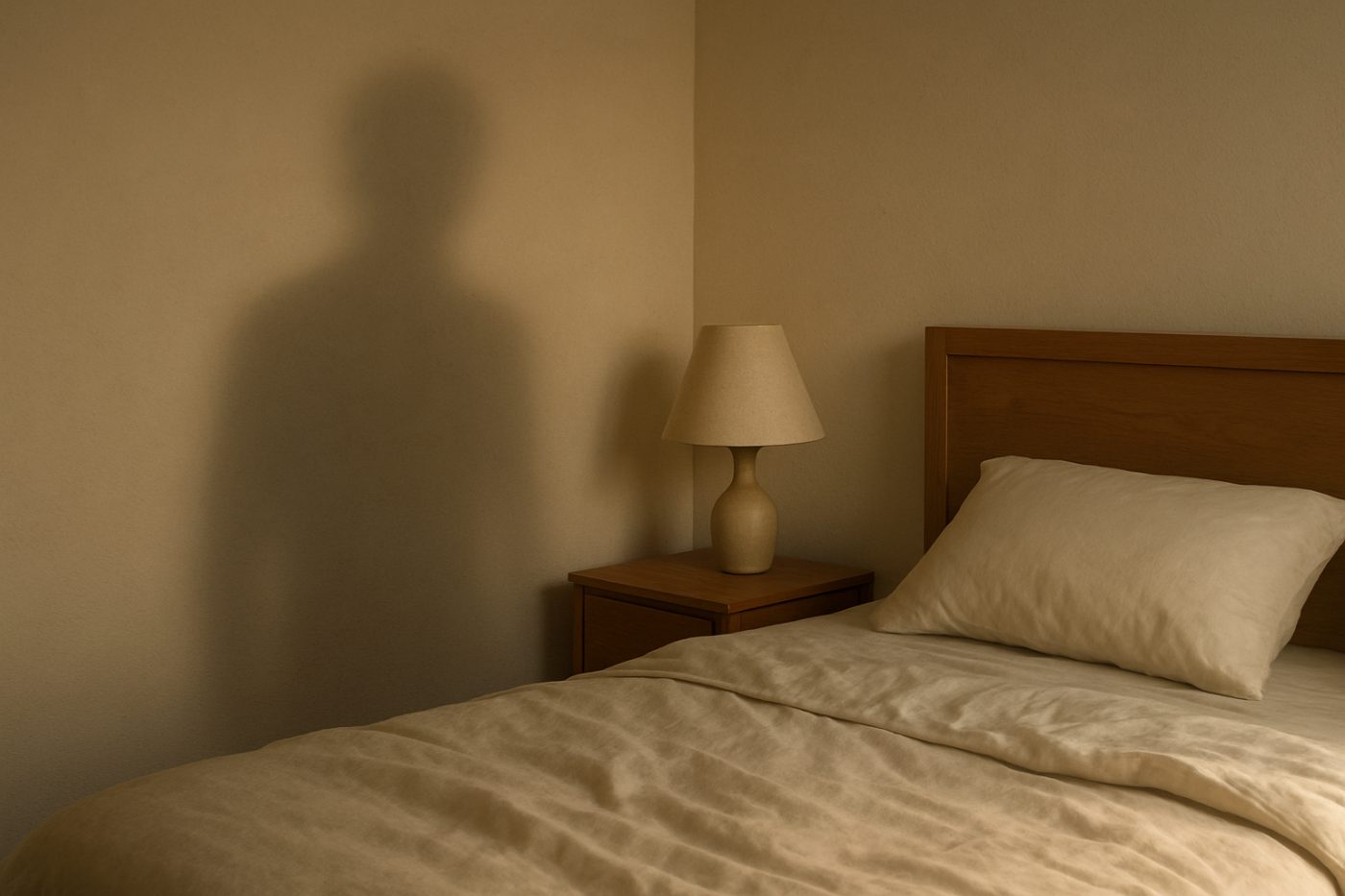
Unlike most of the archive, these night terror experiences usually come with a witness. Somebody else in the flat heard the shout, stood in the doorway, or found the narrator sitting upright and unresponsive with their eyes open. That second person changes the writing: the narrator has to reconcile a memory of drowning or burning with a flatmate's much duller report of a person breathing hard in the dark. Sleep specialists file the whole business under parasomnia and note how often it runs in families. What the reports add is the social aftermath — the awkward breakfast, the door left ajar, the partner who quietly learned not to touch the sleeper's shoulder.
Related material sits under sleep paralysis attacks, where the body stays frozen rather than upright and shouting, and the small-hours collection of late night covers the rest of the timetable. If you write up your own experience of waking up screaming, the detail readers ask for first is not the dream but what the other person in the house actually saw.
Many accounts of terrifying awakenings, chest pressure, and shadowy figures are written as first‑person experiences, and some people are convinced they really happened. On this site, each storyteller claims it’s true, and the reader jury votes on whether they believe it or not, which lets you see how other people judge the line between reality and scary storytelling.
Episodes of waking while your body feels paralyzed often happen when the brain is partly awake but the body is still in a sleep state. Stress, irregular sleep schedules, and sleeping on your back are commonly reported around these episodes, though triggers can vary a lot from person to person. Reading through the stories and the jury reactions shows how differently people interpret the same basic experience.
When you’re half-awake and frightened, the brain can misinterpret shadows and sounds, sometimes creating vivid figures or a powerful sense that someone else is in the room. Many readers describe “the hag,” a person-shaped shadow, or a weight on the chest, and the jury votes often split between supernatural and brain-based explanations.
Waking suddenly in the middle of the night with intense fear or a sense of doom is something many people quietly report, even if they never tell anyone in real life. The repeated 3 a.m. or 3:33 a.m. pattern appears in a lot of stories here, and you can see from the comments and jury voting how familiar that detail feels to other readers.
The episodes themselves, while extremely frightening, don’t usually cause direct physical harm, but they can leave people exhausted, anxious, or afraid to go to bed. If they’re frequent or disruptive, people often choose to talk to a healthcare professional or sleep specialist. The stories on this site give a sense of how much these events can affect someone’s life, even when the jury suspects there’s a natural explanation.
People often report fewer episodes when they keep a regular sleep schedule, reduce stress before bed, and avoid heavy meals, alcohol, or stimulating media late at night. Some find it helps to remind themselves, even during an episode, that the experience usually ends within seconds or minutes. Reading how different storytellers cope, and seeing which details the jury finds believable, can give you ideas to try.
Kids can have intense, screaming awakenings where they seem terrified but don’t fully wake up or remember much, which is often different from adults consciously feeling paralyzed and seeing figures. In the stories here, you’ll find both kinds: parents describing their child’s episodes and adults talking about their own vivid, aware experiences, and the jury often treats these as related but not identical problems.
During these episodes, your senses and emotions can be on overdrive, so the memory feels more like something that physically happened than like a fading dream. The brain tends to replay intense fear over and over, reinforcing it. That’s one reason so many contributors write detailed accounts here, and why the jury sometimes struggles to decide whether an event was “just” a dream.