
The Radio Turned Itself to Static Every Time I Woke Unable to Move
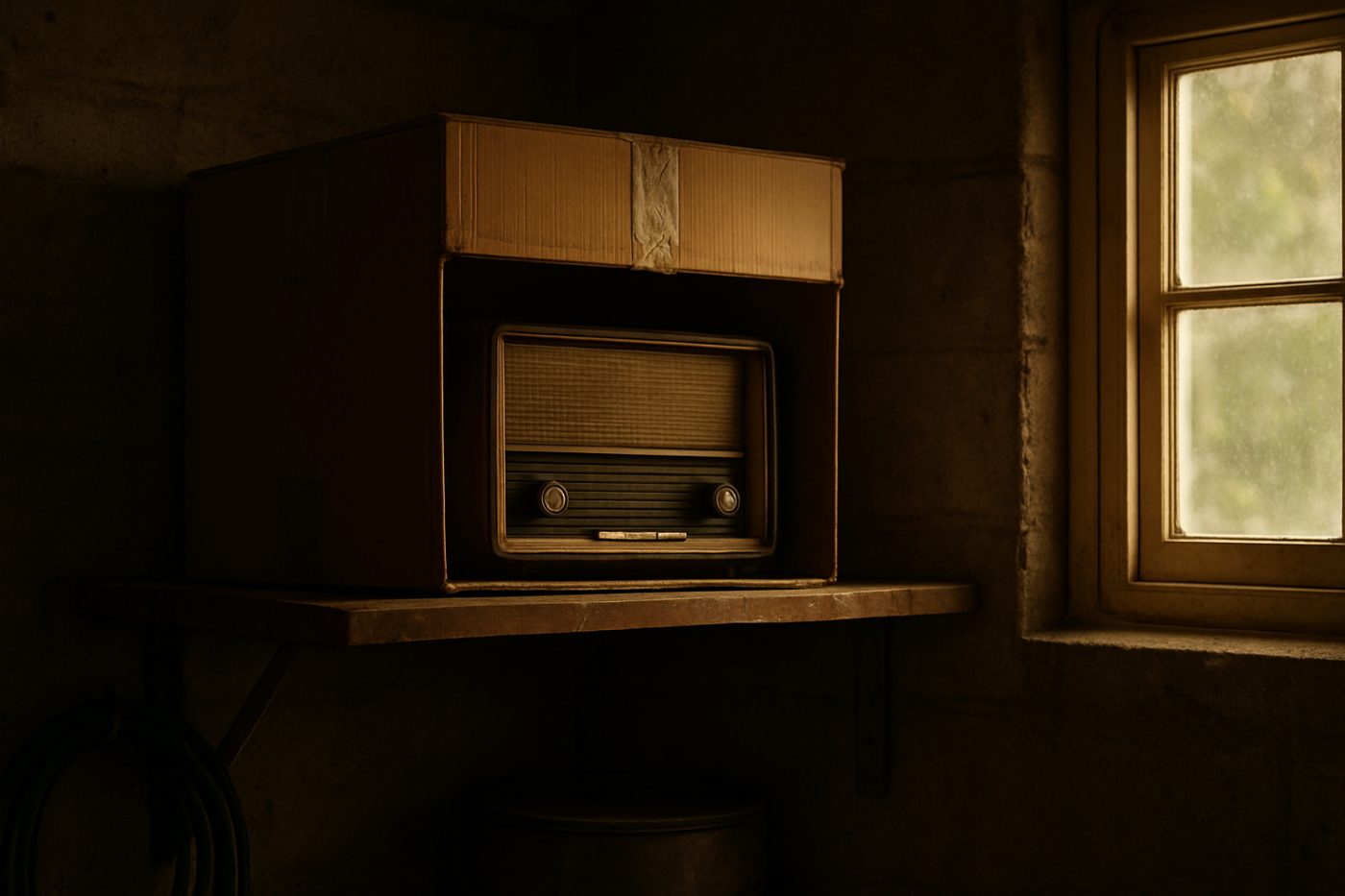
My father's old bedside radio only came on during the attacks, hissing static in a dark room, while I lay frozen listening for the voice I was sure was hidden inside it.
Trapped in your own body, eyes open but limbs heavy as stone, a sleep paralysis shadow figure watching from the doorway or pressing on your chest: this tag collects firsthand accounts of Sleep Paralysis Attacks in all their unnerving detail. Here you’ll find true-story style experiences of waking up unable to move, eerie bedroom visitations, looming bedroom intruders, shadowy bedroom presences, and midnight episodes where breathing feels difficult and time seems frozen.
Each narrator describes their own paralyzed awakenings, night terrors, hypnagogic hallucinations, and recurring nocturnal visitations, exactly as they remember them. Nothing here is fact-checked or medically confirmed—these are raw, personal narratives submitted by ordinary people. On this site, readers act as the jury, voting on whether each incident feels genuinely lived or too unbelievable. Start reading, decide what you believe, and cast your vote.
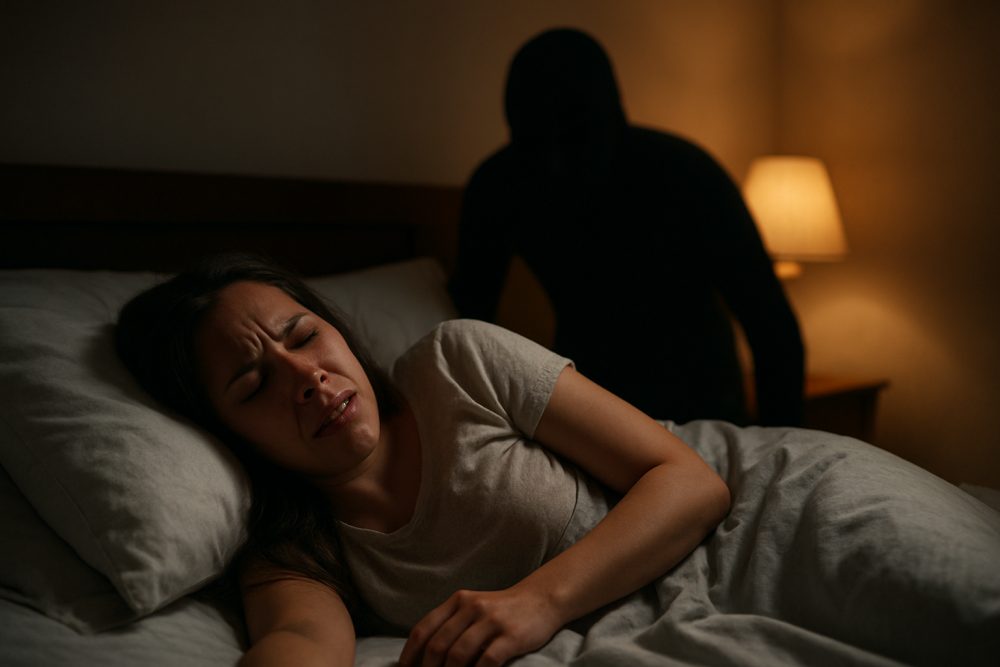
My father's old bedside radio only came on during the attacks, hissing static in a dark room, while I lay frozen listening for the voice I was sure was hidden inside it.
To prove to myself the night attacks were only in my head, I set up a camera. The footage showed me lying perfectly still. And then it showed my lips moving.
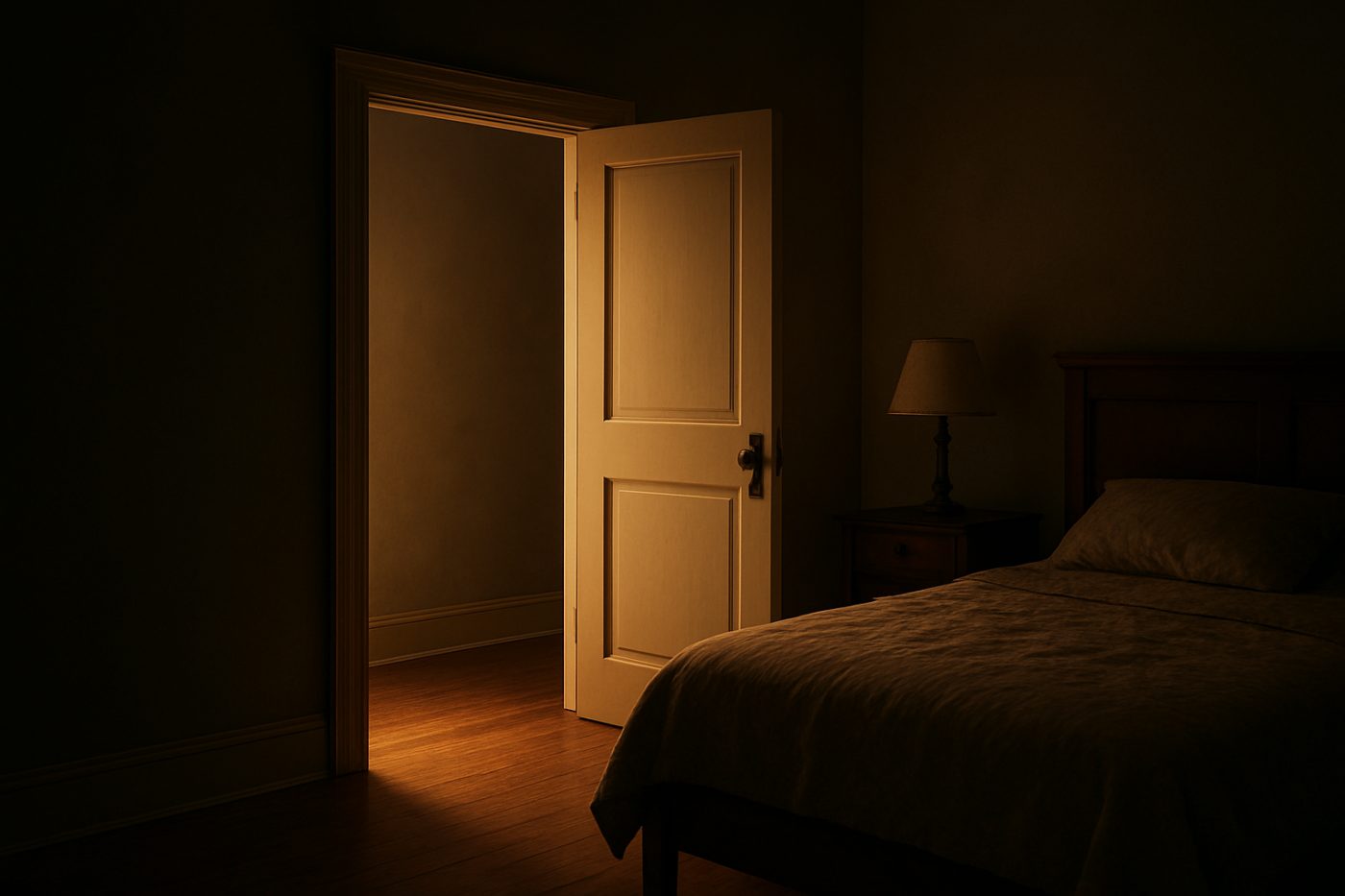
I never leave the hall light on. But when the paralysis takes me at 3:33 exactly, it is always burning, throwing a long shadow across my floor that has no one to cast it.
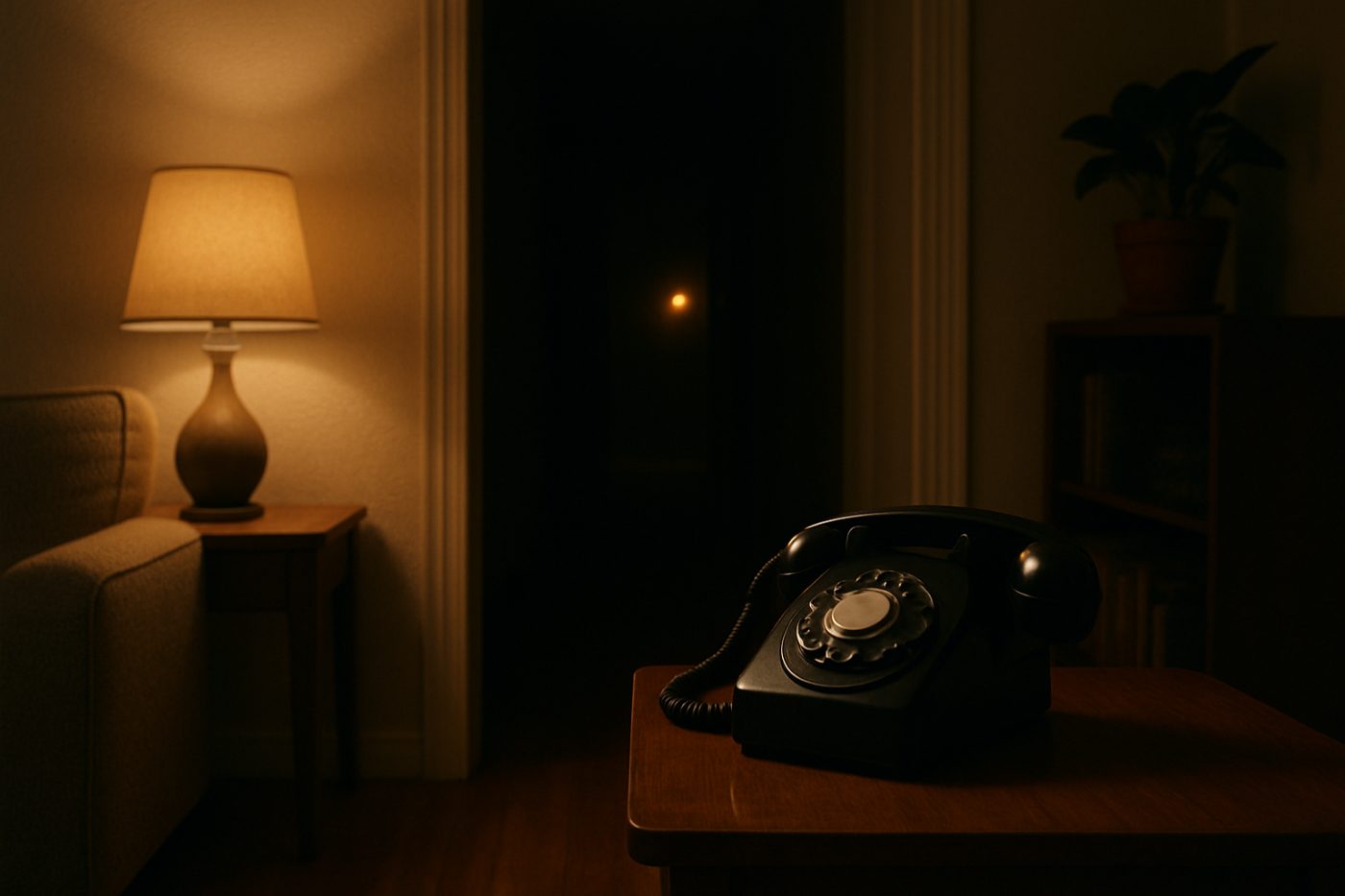
Grandma had a name and a ritual for the thing that sits on your chest at night. I laughed at her salt and her scissors. I am not laughing anymore. It found my room.

My four-year-old kept waking at night pointing at the corner, terrified of a lady only he could see. I told him it was a dream. Then I woke frozen, and she was there.
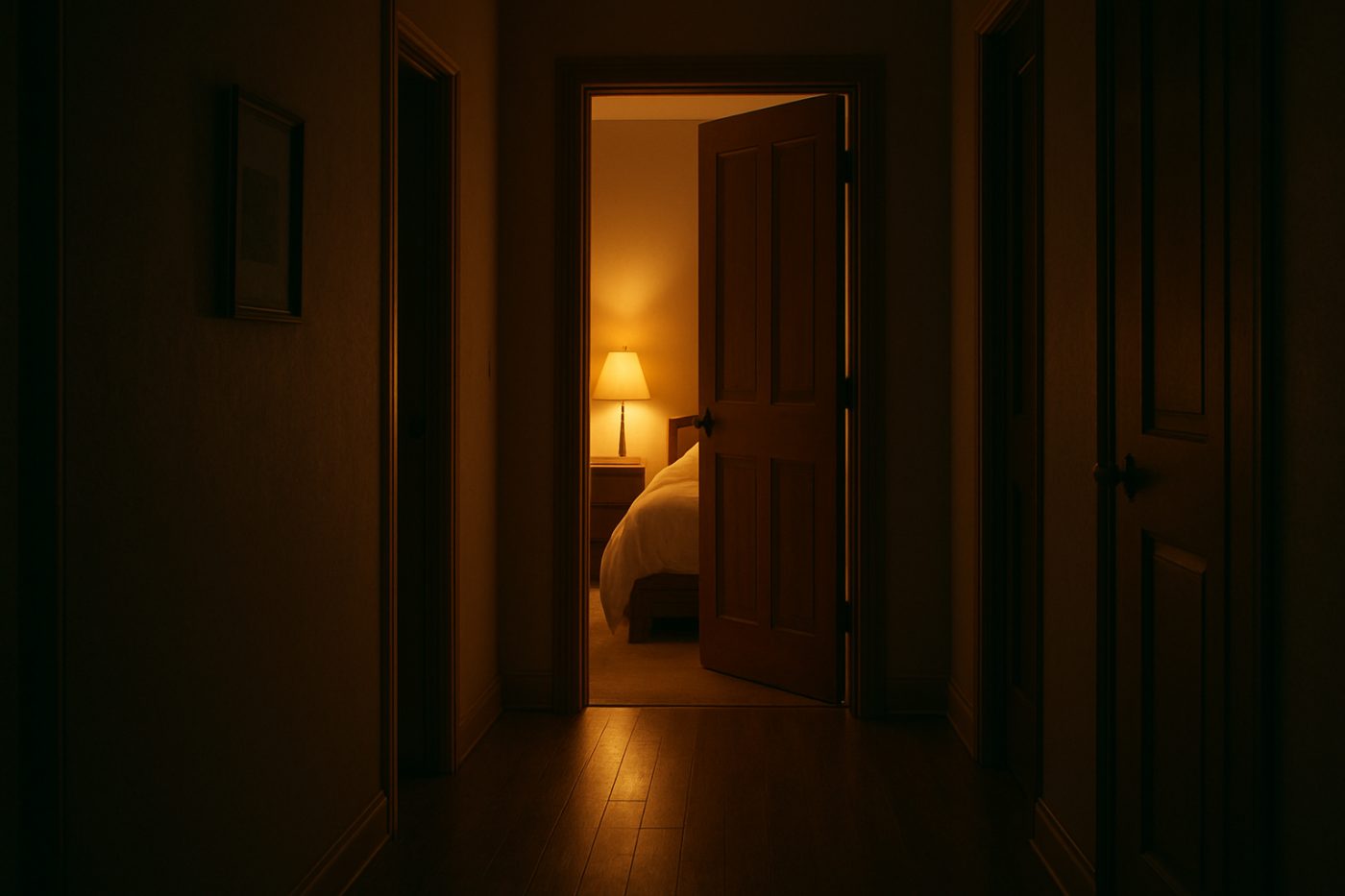
Every time I wake frozen he is in the same spot, a tall silhouette in a wide-brimmed hat, hands folded, waiting. I have never seen his face. I am not sure I want to.

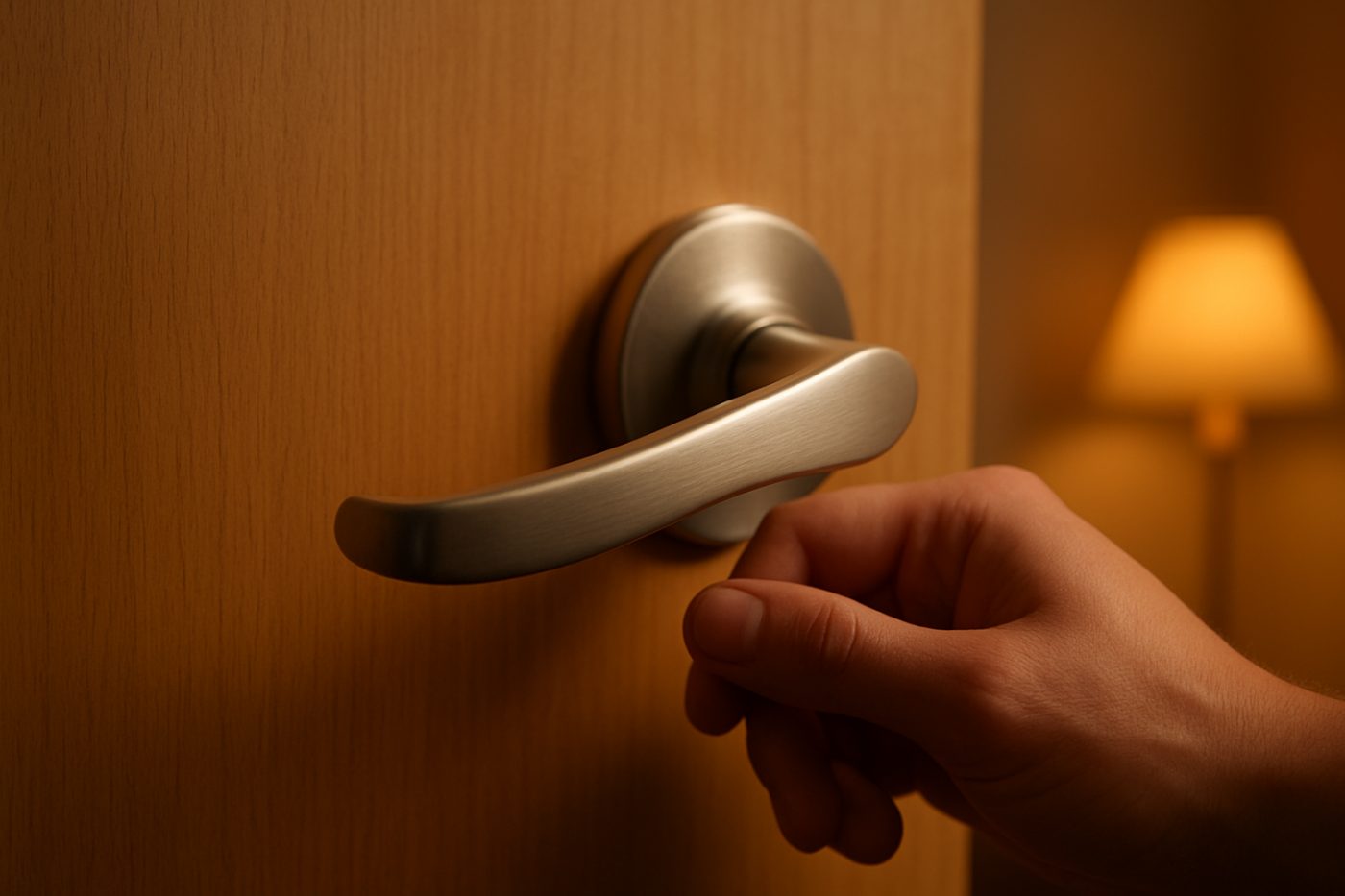
Six feet away my roommate slept soundly while I lay frozen, watching the door handle turn on its own. All I needed was to make one sound. My throat would not obey.
Rotating hospital shifts wrecked my body clock. I started waking paralyzed at odd hours, a weight crushing my chest. The doctor had a name for it. That did not help.

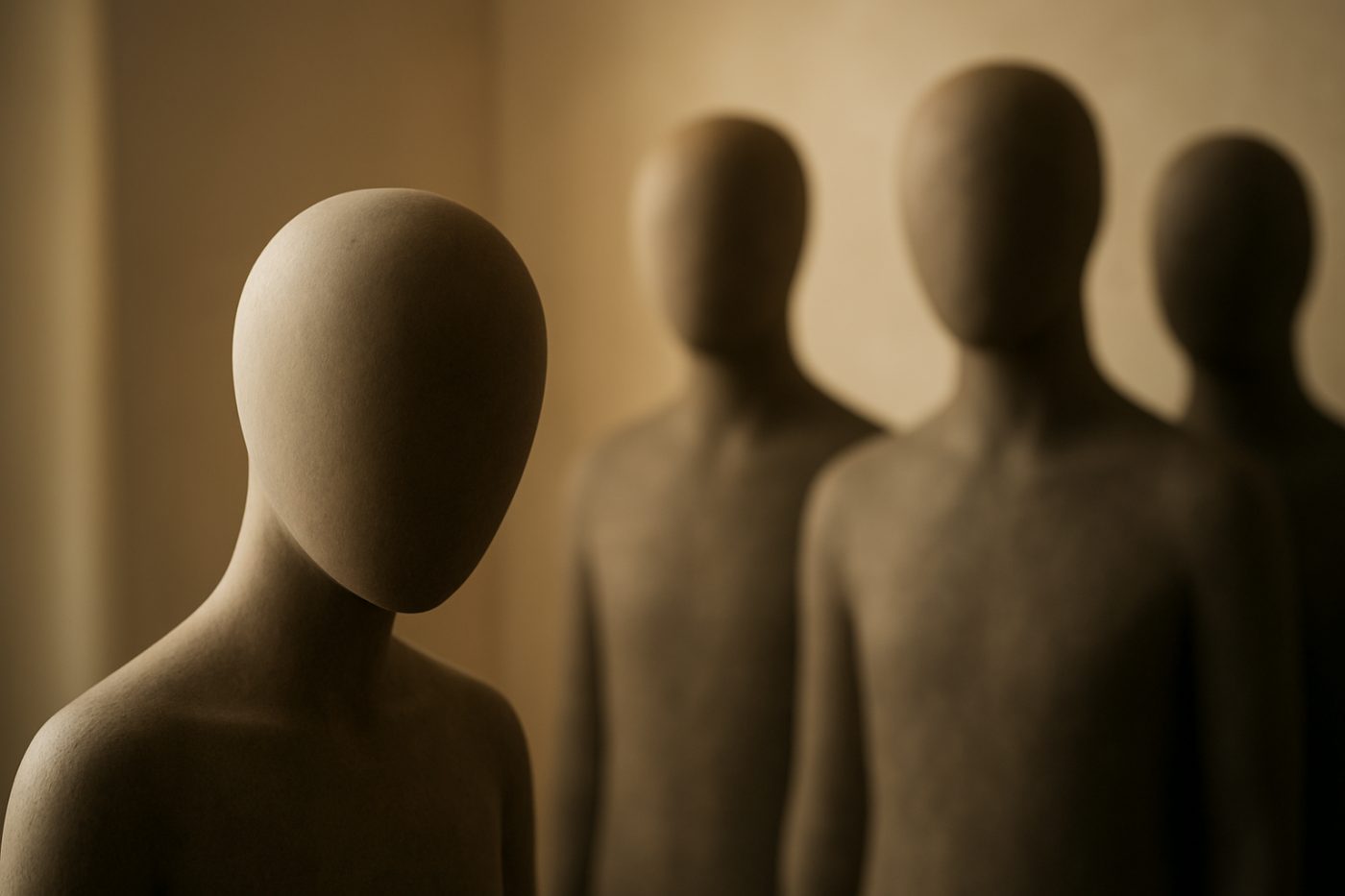
It was never just one figure. When I wake frozen there are several, thin and dark, crowded at the foot of the bed, leaning in together like mourners around a grave.
For three nights running I woke unable to move, a pressure on my ribs like a knee. On the fourth night, I heard it breathe. Was it stress, or something waiting?
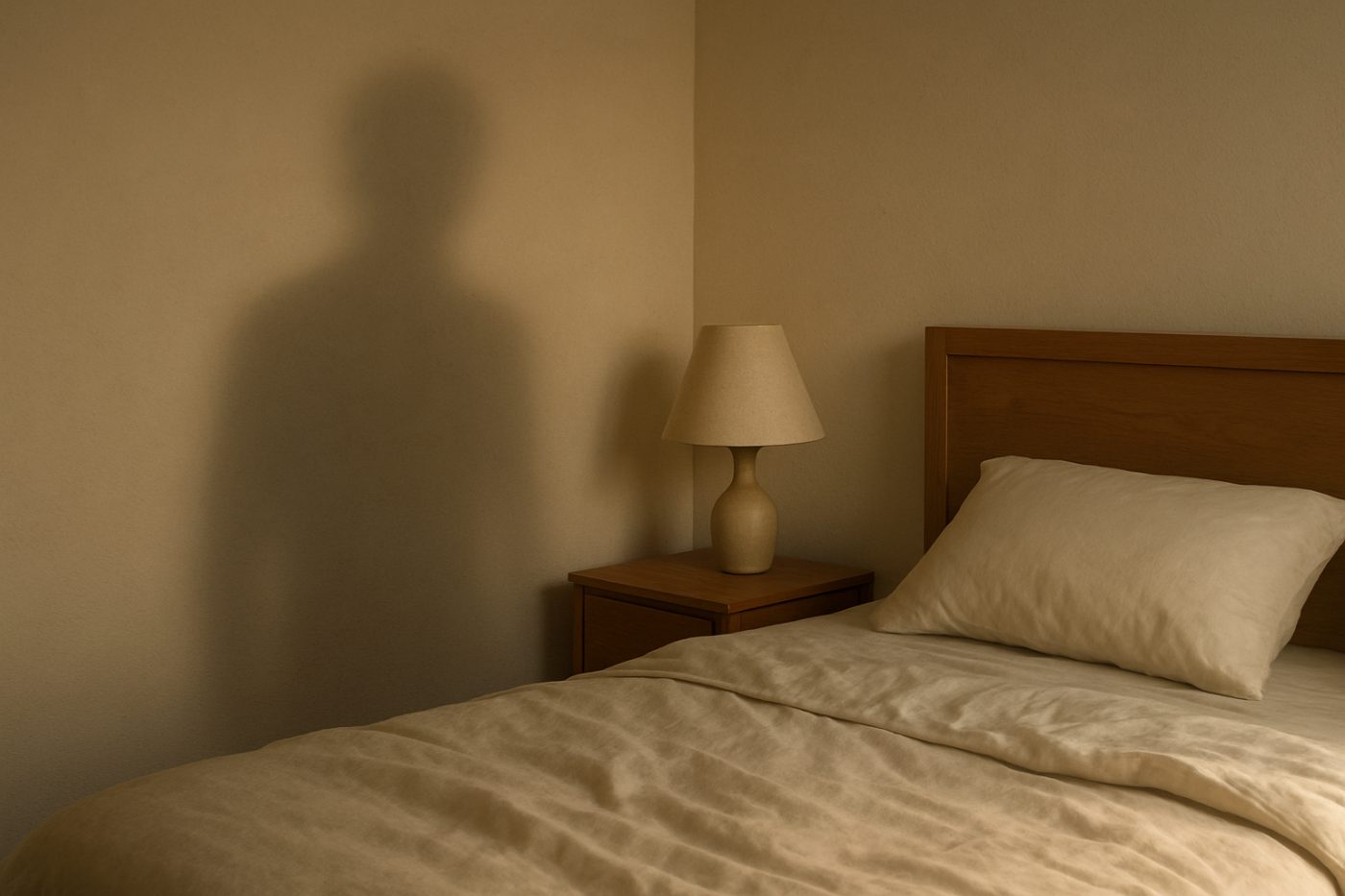
Reports filed under this tag share an odd formal quality: the narrator cannot move, so the camera never moves either. Everything is described from one fixed angle — the ceiling, a strip of doorway, whatever the pillow allows. That constraint produces unusually precise writing about very small things: the position of a wardrobe handle, the exact pitch of a fridge two rooms away, the way a curtain hangs. Sleep clinicians would say the constraint is the point, that a half-woken brain fills the frame it cannot turn away from. The narrators tend to know this already and write it down anyway, then describe what they rearranged in the bedroom the following morning.
The longer collection of sleep paralysis stories holds the same material at greater length, and the tall figure so many people describe has its own file under the hat man. Jurors reading these scary sleep paralysis stories are oddly forgiving of the frightening parts and very strict about the timeline: an account that gives the hour, the sleeping position and how long the episode lasted survives the vote far better than one that only gives the fear.
The inability to move while waking or falling asleep is a well-documented sleep phenomenon, even though the figures and voices people report are shaped by the brain. The fear, pressure on the chest, and vivid hallucinations feel completely real because your body is stuck between sleep and wakefulness. Reading first‑person accounts and seeing how the reader jury votes can help you compare your own episodes with others’.
This happens when the brain wakes up before the body’s natural sleep paralysis has switched off. You’re conscious and aware of your surroundings, but your muscles are still in the “off” position that normally prevents you from acting out dreams. Many stories on this page describe that exact split-second mismatch, which our jury then evaluates for believability.
The brain is partly in dream mode, so it can project terrifying images into your real bedroom, like shadow people, hags on the chest, or strangers at the foot of the bed. Culture, past fears, and personal stories all shape what you see. Comparing the patterns across different accounts and jury reactions here shows how similar many of these visions can be.
Many people independently report a looming figure, often a “hat man” or tall shadow in the doorway or beside the bed. These recurring themes suggest the brain tends to turn fear and vulnerability into similar visual forms. Our stories and the reader votes highlight just how often this specific character shows up across different lives.
The episodes themselves are usually not physically harmful, even though the fear, chest pressure, and racing heart can feel extreme. The bigger impact tends to be lost sleep, dread at bedtime, or anxiety about going through it again. Some storytellers here describe changing their sleep habits because of it, which you can see discussed and judged by the jury.
Many people find it helpful to focus on slow breathing and trying to move one small muscle, like a finger or toe, instead of fighting the whole paralysis at once. Reminding yourself that it’s a known sleep state, not an attack from outside, can sometimes lessen the fear. Some of the stories here include personal coping tricks that readers then debate in the comments and votes.
Hearing whispers, footsteps, radio static, or someone calling your name is a common part of these events because dream-like audio leaks into your waking awareness. It’s frightening but usually tied to the same disrupted sleep state rather than an external presence. Many narratives on this tag mention eerie sounds, and the jury weighs in on whether they think each account reflects this pattern or something stranger.
While the details differ, there are striking overlaps: waking unable to move, a presence in the room, pressure on the chest, and clock times that repeat. By reading multiple first‑person stories and checking how the reader jury votes, you can see how often other people describe sensations that echo your own.