
The Camera We Almost Did Not Plug In
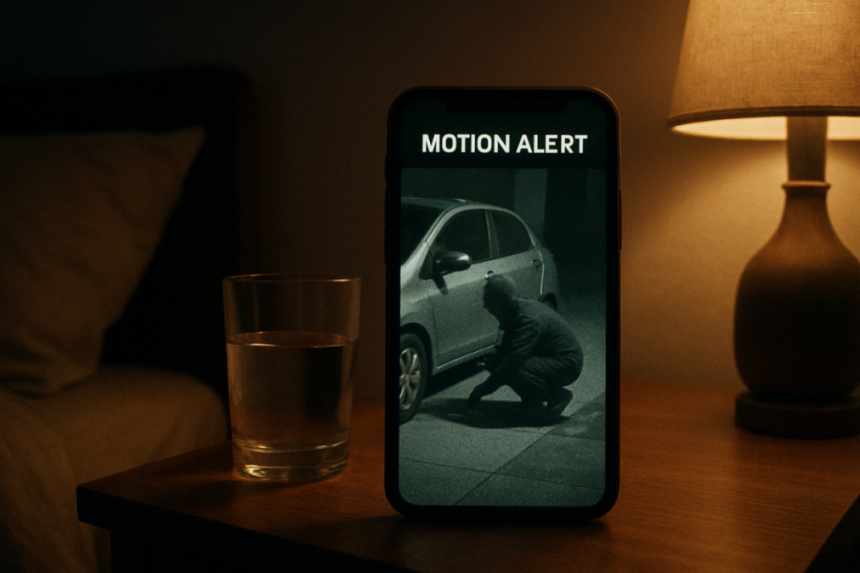
A cheap hidden camera, a bad feeling, and a delayed road trip with my roommates lined up in a way I still cannot explain.
From awkward house shares to petty kitchen feuds and full-on domestic showdowns, the Roommates tag collects first-person accounts of the roommate from hell in every possible variety, and of living with people you only thought you knew. Expect late-night drama over missing leftovers, blindsiding lease issues, sneaky behavior caught on camera, and everyday life colliding with jobs, neighbors, weddings, and landlords in the most humiliating, hilarious ways. These are personal stories told straight by the people who swear they went through them.
On this page, every confession, blowup, and passive-aggressive note is put before a reader jury that votes on whether it really happened or sounds too wild to be true. Nothing here is fact-checked; it’s all about what you believe. Dive in, decide what’s believable, and cast your vote on each story.

A cheap hidden camera, a bad feeling, and a delayed road trip with my roommates lined up in a way I still cannot explain.
A neighbor reported my brand-new fence as six inches over the property line to force me to tear it down. The survey he demanded found that his own garage had been on my land for years.

My four-year-old nephew had one job: carry the rings down the aisle. Instead he spotted the cake, changed course at full speed, and held an entire wedding hostage for the rings.

On my first week I raised my hand in the all-hands, thanked my manager for her help, and finished with "thanks, Mom." Forty people heard it. She has never let it go, lovingly.

My manager fired me by text at 5 p.m. Friday to avoid a conversation. He did not realize I was the only person who knew how to run the payroll system. Monday morning was educational.

I had a bad night, a few too many drinks, and a phone. I woke up to forty pizzas arriving at my door in waves and a very confused, very patient delivery driver.

My roommate ate my labeled groceries for a year and denied it every time. So I made him one special batch of very clearly labeled leftovers, and let his own confidence do the rest.

I meant to text one friend privately to complain about a plan. I sent it to the group chat that contained every single person the complaint was about. Then I watched the typing dots.

A colleague copied my entire analysis, put his name on it, and presented it to the executives as his own. He did not know I had left one deliberate mistake in the version I shared with him.

My landlord invented damage to keep my whole deposit and laughed me off. He did not know I had photos, or that the city inspector I had already called was standing on his porch that afternoon.
At my cousin's wedding the best man gave a beautiful, tearful toast to the groom and his lovely bride, and used the name of the groom's ex-girlfriend. Twice. Into the microphone.

Shared houses fail along predictable fault lines, and in these roommate horror stories money is only the second most common. First is time: the person who cooks at midnight, the shift worker sleeping through the afternoon, the partner who stays four nights a week and contributes to nothing. Accounts on this page usually open with an object — a pan, a parcel, a bin left out — and end somewhere much larger, because the object was never the argument. Anyone with house-share history recognises the escalation on sight, which is why writers who present themselves as the only reasonable adult in the building get such a rough reception.
Trouble with whoever holds the lease is collected under landlords, and the same friction through a party wall under noisy neighbours. The strongest roommate submissions quote the note left on the door word for word and include one honest sentence about what the writer did in return. Nobody here believes an account in which only one person behaved badly.
Some wild housemate stories really do happen, but others get exaggerated in memory or for dramatic effect. On this site, the anonymous jury vote is meant to capture that uncertainty: readers weigh the details and decide how believable each account feels. The result is a mix of “this definitely happened” and “there’s no way,” which you can see in the voting patterns.
Living with other people forces different habits, expectations, and boundaries into one small space, which easily leads to conflict. Miscommunication, stress, money issues, and clashing lifestyles can turn small annoyances into full-on stories worth writing about. Reading these accounts can help you spot red flags you might otherwise ignore.
Most people will have at least one difficult person they’ve lived with, but the extreme “worst-roomie-ever” tales are less common than they seem online. Story sites naturally attract the most dramatic experiences, so the sample is skewed. The reader jury helps separate “relatable annoyance” from “once-in-a-lifetime disaster.”
Start by documenting what’s happening and having a calm, direct conversation about it, focusing on specific incidents rather than accusations. If that doesn’t work, check your lease or housing agreement for rules about shared spaces and consider involving a landlord, RA, or mediator. Stories on this page show a range of outcomes, from petty revenge to formal complaints, which can give you ideas about what might or might not work.
Look for concrete details, consistent timelines, and plausible reactions from other people in the story. Overly neat endings, superhuman coincidences, and characters who seem like caricatures can be signs of embellishment. On this site, you can compare your own judgment to the jury votes to see how other readers are assessing the same account.
Money, lease contracts, and housing scarcity often make moving out much harder than it sounds. People may also feel guilty, afraid of conflict, or hope things will improve, which delays their decision. Many of the stories here end with the storyteller finally leaving, and you can see in the comments and votes how long readers think they should have waited.
While conflict and chaos make for more gripping reading, some accounts include growth, apologies, or clever problem-solving. You’ll find tales where people set boundaries, negotiate chores, or escape a bad housemate and find a better situation. The jury reactions often highlight when a story feels hopeful instead of purely messy.