
I Wept for a Dog I Had Not Met
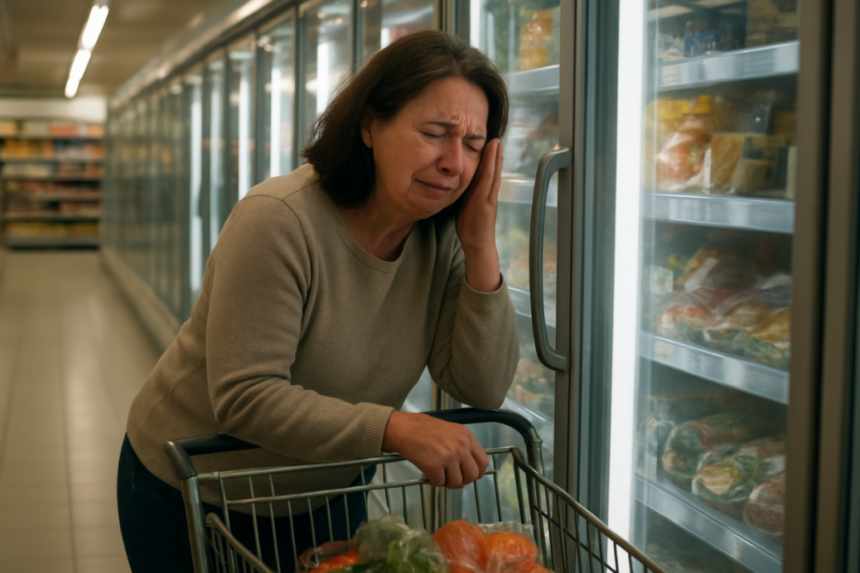
A wave of grief hit me in a grocery aisle and I could not stop crying. It was not my sorrow. It belonged to my twin, mourning a dog I had never met, at that exact hour.
Is telepathy real? This is where everyday moments collide with uncanny mental connections, shared emotions, and wordless signals that seem to leap across distance and time. In this collection you’ll find first‑person accounts of sudden knowing, silent communication, gut feelings that strike in perfect sync, and vivid impressions of someone else’s fear, pain, or joy arriving out of nowhere. These storytellers describe private experiences that feel like mind‑to‑mind contact, from eerily timed thoughts to emotional echoes that defy explanation.
None of these personal narratives are verified; they’re presented exactly as the writers remember them. After each account, the reader jury weighs in, deciding whether it sounds like genuine psychic insight, pure coincidence, or something in between. Dive into the stories, trust your instincts, and cast your vote.
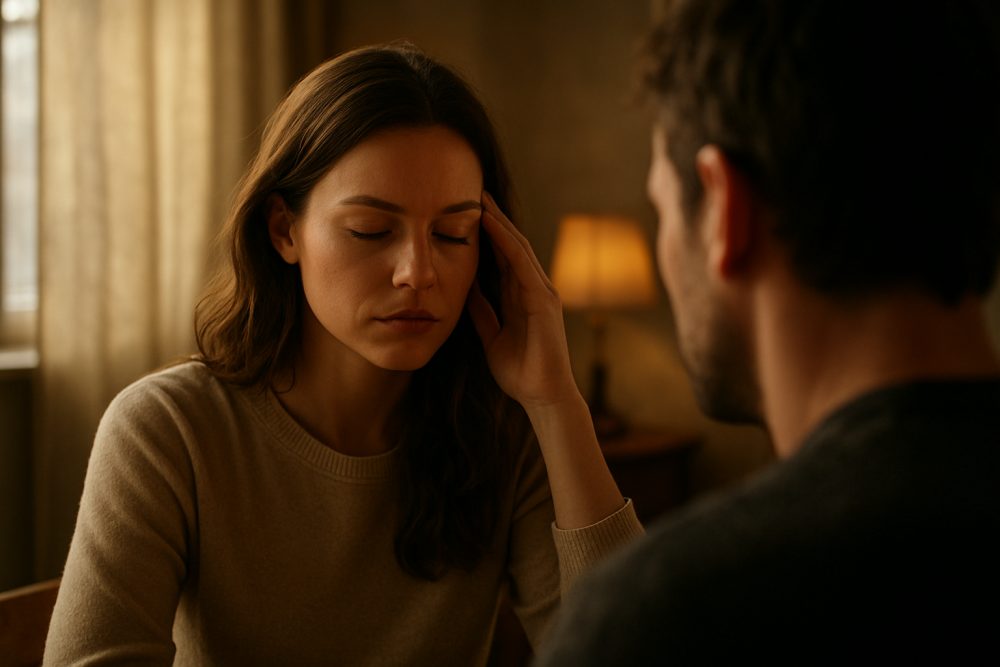
A wave of grief hit me in a grocery aisle and I could not stop crying. It was not my sorrow. It belonged to my twin, mourning a dog I had never met, at that exact hour.
My grandmother and I could hold whole conversations without speaking much. One rainy afternoon it went further than either of us had ever admitted, and it left me quietly changed.
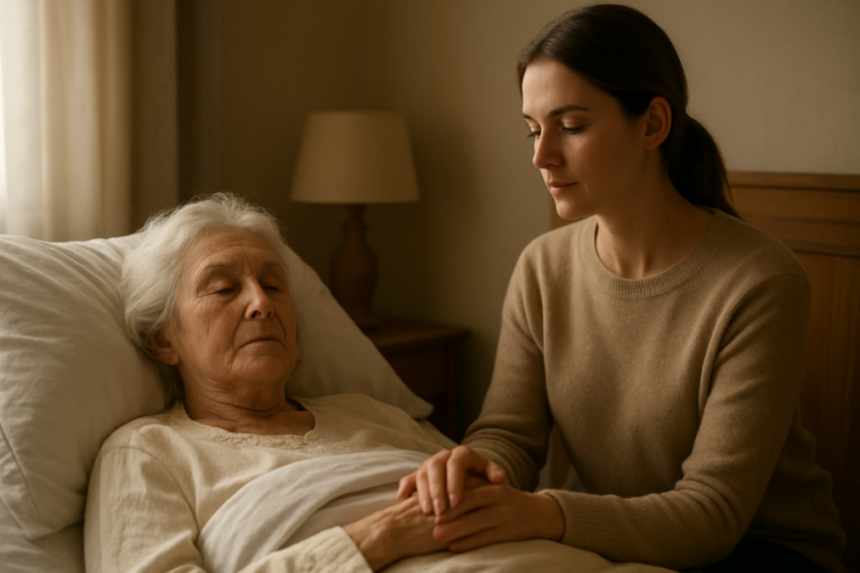
My wife and I were stuck naming our daughter for weeks. Then one quiet night we opened our mouths at the same instant and the same name fell out. I still feel it in my thoughts.
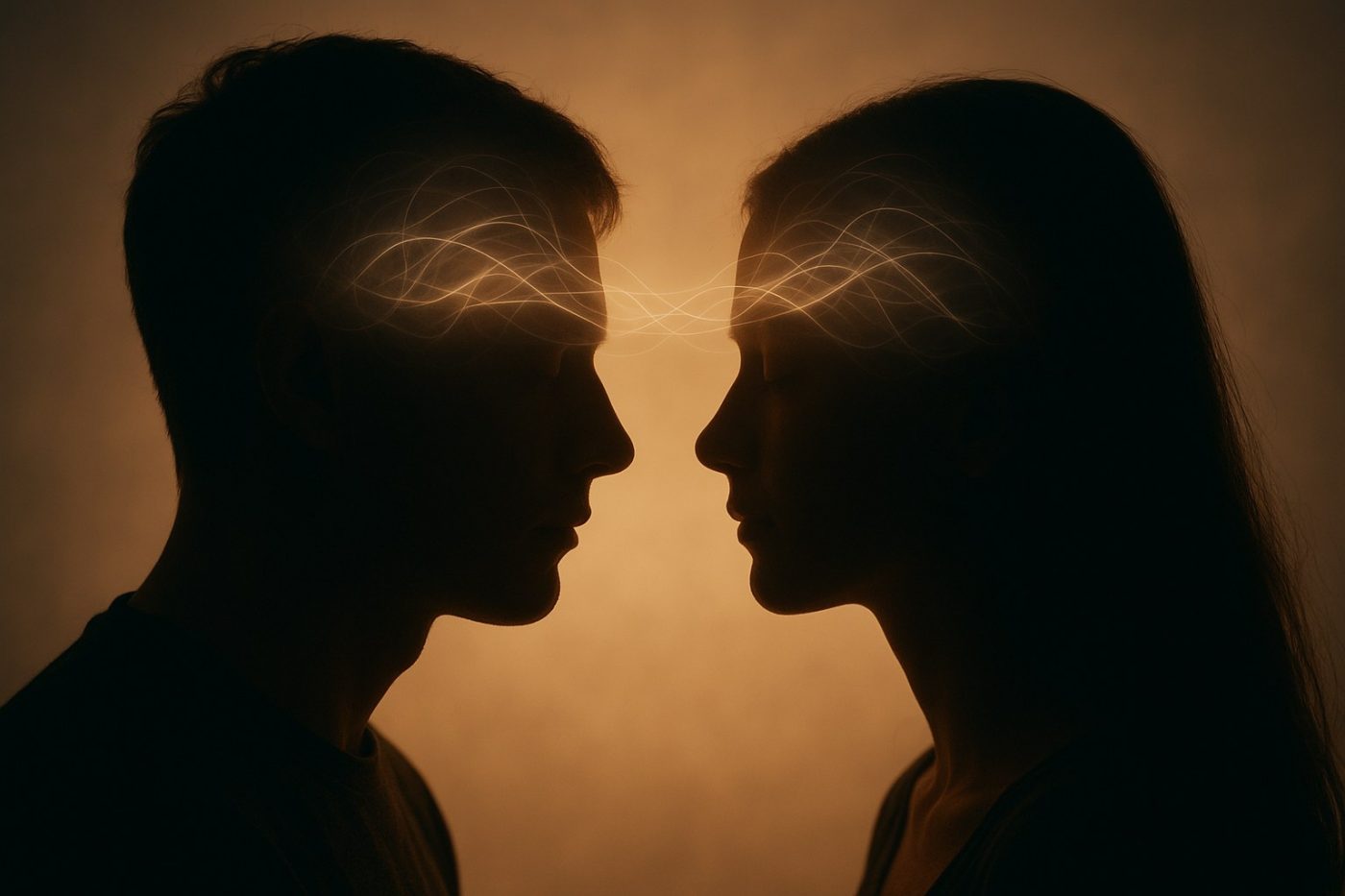
My twin brother has never told anyone about his anxiety. He did not have to tell me. One evening his fear arrived in my chest like weather, and I knew exactly whose it was.
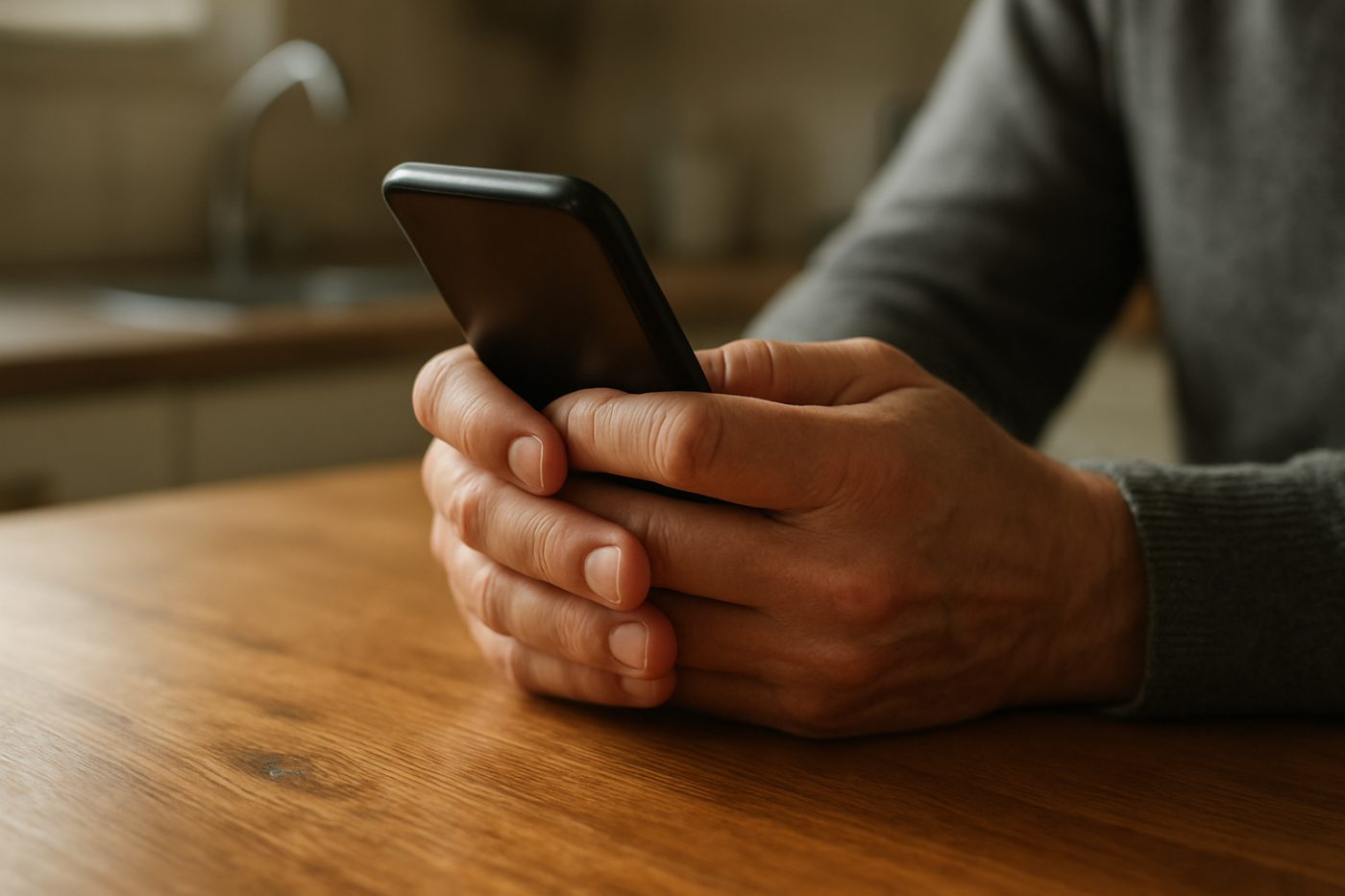
My father and I had not spoken in nine years. When an unknown number rang late one night, my whole body knew it was him before I even reached the phone. And it was.
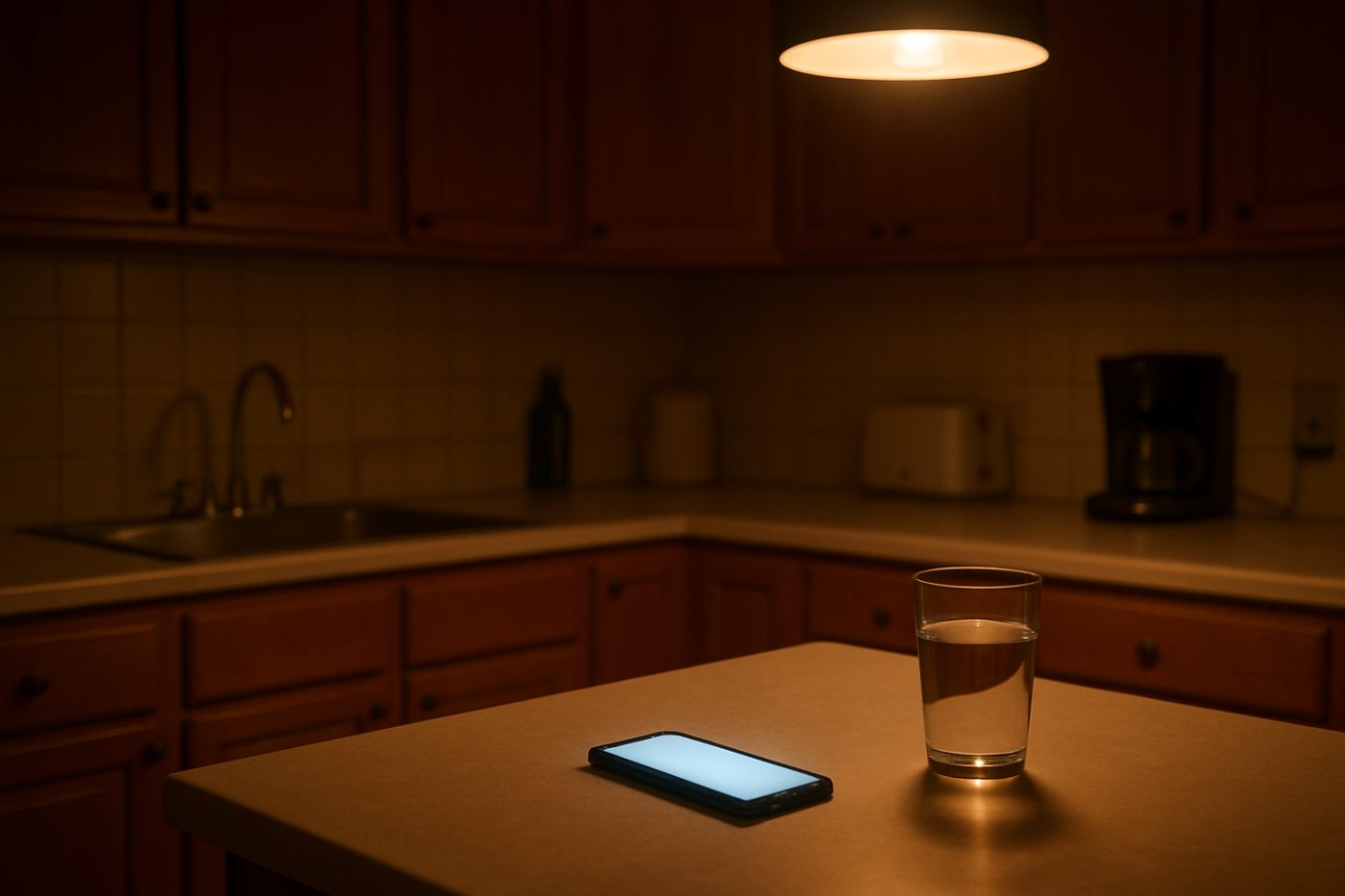
I woke with a burning pain in my left forearm for no reason at all. Forty minutes later my twin called from a ski slope three states away. What she told me still gives me chills.
The weak point in almost every account of real telepathy here is obvious, and the better writers name it themselves: there is usually only one witness to the thought. Somebody knew something, then rang to check, and by the time the phone was answered the two versions had already begun to merge. The accounts that stand up are the ones where the impression was said out loud, to a third party, before it was confirmed — a colleague told at eleven, a message sent, a note left on a kitchen table. Psychologists have a tidy explanation involving how much we know about the people we love and how badly we count.
Cases between siblings born on the same day are separated out under twin connection, and the broader category of psychic experiences holds the rest. A timestamp is worth more on this page than any amount of conviction. A screenshot of a message sent an hour before the bad news arrived will carry a story that is otherwise very thin.
Scientists disagree on whether mind-to-mind communication is real, and there’s no consensus that it has been proven in controlled experiments. In everyday life, shared history, subtle cues, and chance can explain a lot of “we said the same thing” moments. Reading first-person accounts and seeing how the reader jury votes can help you explore whether you personally find these stories convincing or coincidental.
Our brains are very good at pattern recognition: you learn someone’s speech habits, beliefs, and moods over time, so their next words can feel predictable. In close relationships, this can feel uncanny, especially in emotional moments. Stories on this site capture that eerie feeling, and the jury votes show how others interpret those moments.
Many people report suddenly feeling dread, pain, or panic and later discovering a loved one was in trouble at around the same time. Psychology and neuroscience don’t currently have a clear, proven mechanism for long-distance emotional “signals,” so explanations range from coincidence to unknown processes. The frequency and patterns in the stories here, along with the reader verdicts, let you see how often others say this happens.
Confirmation bias means we tend to remember hits and forget misses, so we notice the time our thought “matched” reality but overlook the many times it didn’t. That bias could explain some striking mental coincidences, especially when we check the timeline after the fact. Comparing multiple stories and how the jury judges them can highlight where bias may be at work and where events seem harder to write off.
There have been parapsychology experiments trying to test thought transfer, usually with mixed or contested results. Mainstream science remains skeptical because findings are often small, hard to replicate, or vulnerable to methodological criticism. Reading narrative accounts, then weighing them against that skeptical backdrop and the site’s community votes, can help you form your own view.
Strong emotion, surprise, and personal meaning make an event feel profoundly real and unforgettable. When timing lines up perfectly—a name spoken at the exact second, or a pain felt as an accident happens—it can be very hard for the experiencer to accept chance as an explanation. The first‑person format and jury responses show how powerful that conviction can be, even when outsiders are uncertain.
Many people first try to ground themselves: keeping a journal, noting exact times, and later checking what really happened can reveal patterns—or show that some impressions were off. If these episodes distress you, it can help to talk with trusted friends or a mental health professional about stress, anxiety, or empathy overload, without assuming a paranormal cause. Sharing and comparing your own experiences with stories and jury outcomes here can also give you perspective.
People who are very close share memories, routines, and emotional rhythms, so it’s easier for them to “guess right” about each other’s thoughts and feelings. That can create a strong sense of a unique bond, whether or not there’s any unknown mechanism involved. Many stories on this tag involve family members or partners, and the reader votes reflect how persuasive that idea of a special link feels to others.