On the Operating Table I Watched My Whole Life Play Back
A routine gallbladder surgery went wrong and my heart quit on the table. I felt myself lifted out, and then every year of my life unfolded at once, and I was asked, kindly, what I had learned.

A routine gallbladder surgery went wrong and my heart quit on the table. I felt myself lifted out, and then every year of my life unfolded at once, and I was asked, kindly, what I had learned.
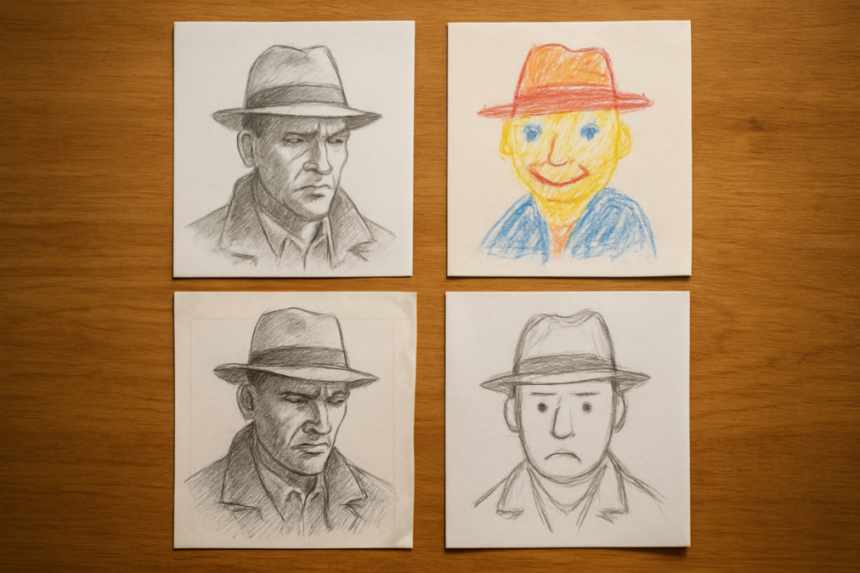
The landlord keeps the drawings. Four tenants, twenty years, four sheets of paper, one man in a wide-brimmed hat.
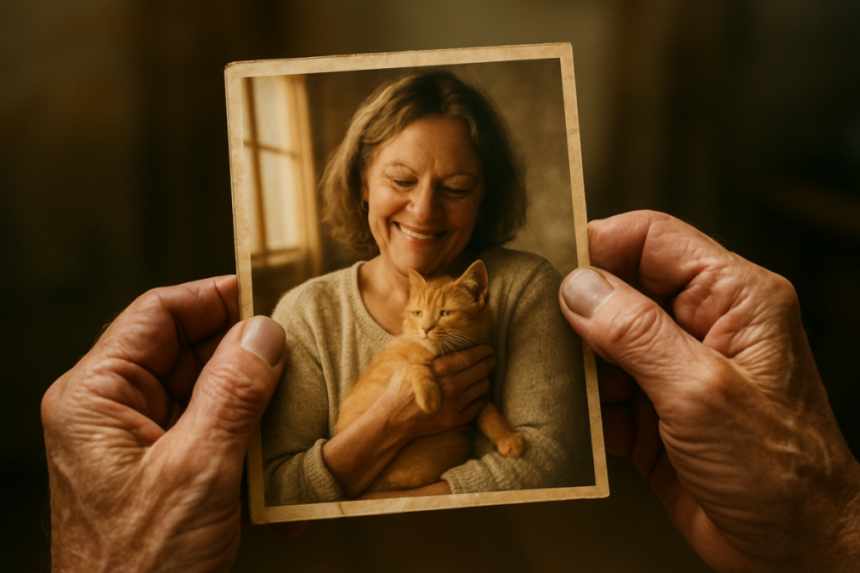
The night my grandmother died two states away, her old cat sat facing the front door and cried until dawn. He had never done it before. He never did it again.
A picture flashed into my head of my sister's car spinning on wet road. I called her without knowing why. What she was about to do when the phone rang stops my breath even now.
One ring, at 03:00, twice a year. The rope is tied off. He has been told to ignore it. He does not ignore it.
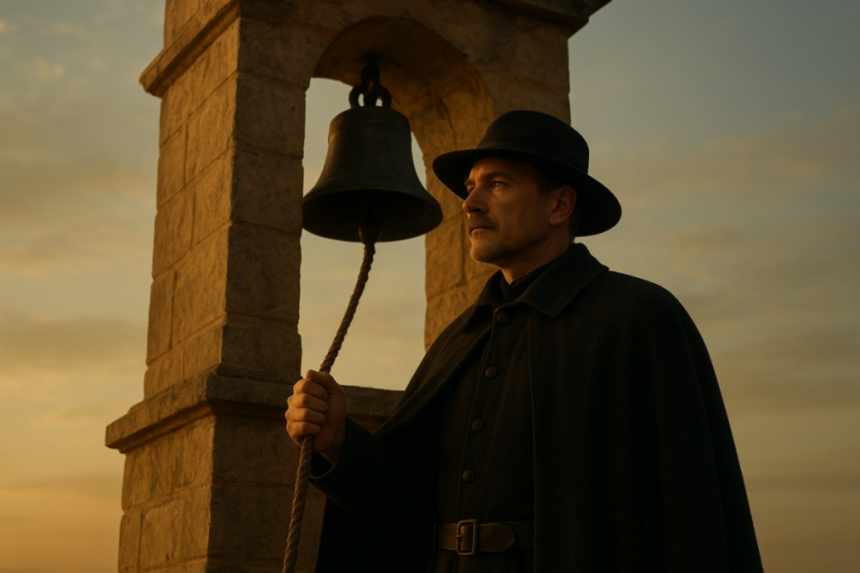
A volunteer transcribing headstones photographed a name that is not on any record. Two days later a man in an old coat told her the spelling.
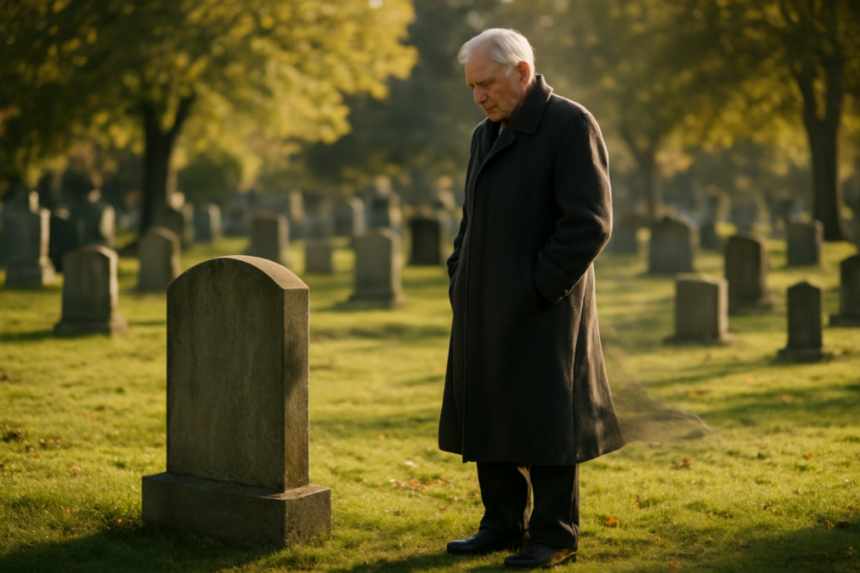
I booked a flight to San Ferro. There are two San Ferros, four hundred miles apart. I found out which one I was in when the friend meeting me at arrivals was not there and my phone map showed a coastline that should have been mountains.

My wife and I honeymooned in a tiny remote cabin. Ten years later, choosing a random anniversary getaway from hundreds of listings, we booked one we loved on sight — the same cabin, renamed, re-listed.

I was born with a round pucker on my back and a matching smooth patch on my chest, and I always knew something had gone through me. When I was small I described a snowy road and a truck, and years later a stranger's account matched it word for word.
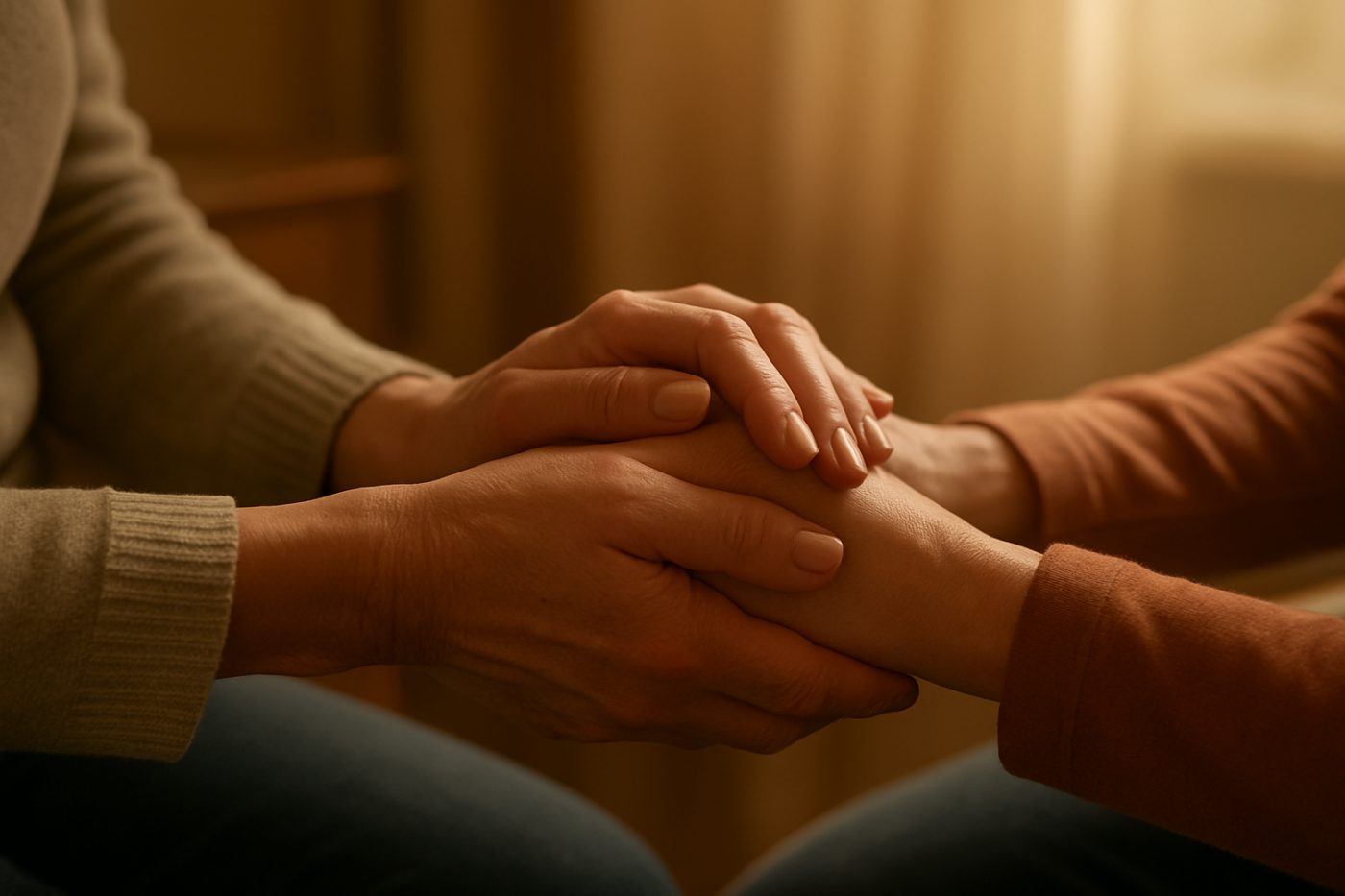
The dip in the duvet. The weight on the feet. The purring, which my wife heard first and which she did not tell me about for a year.
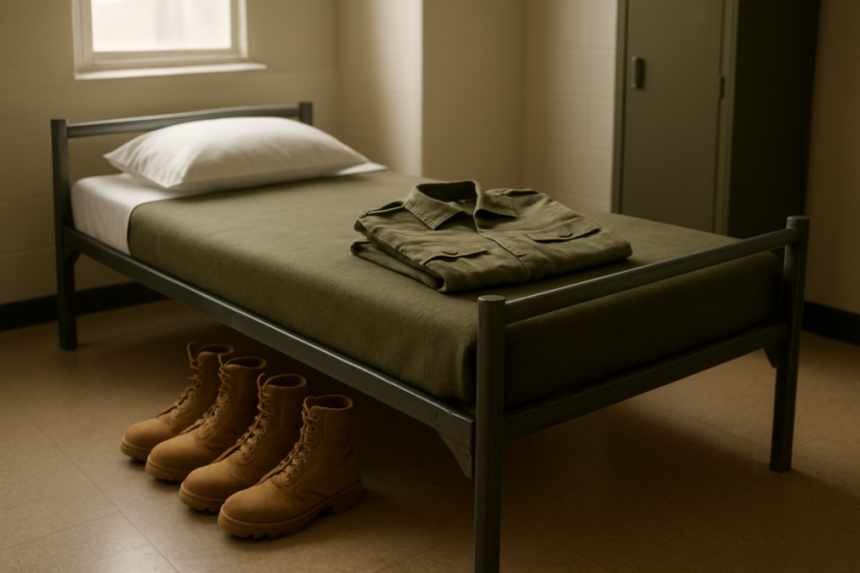
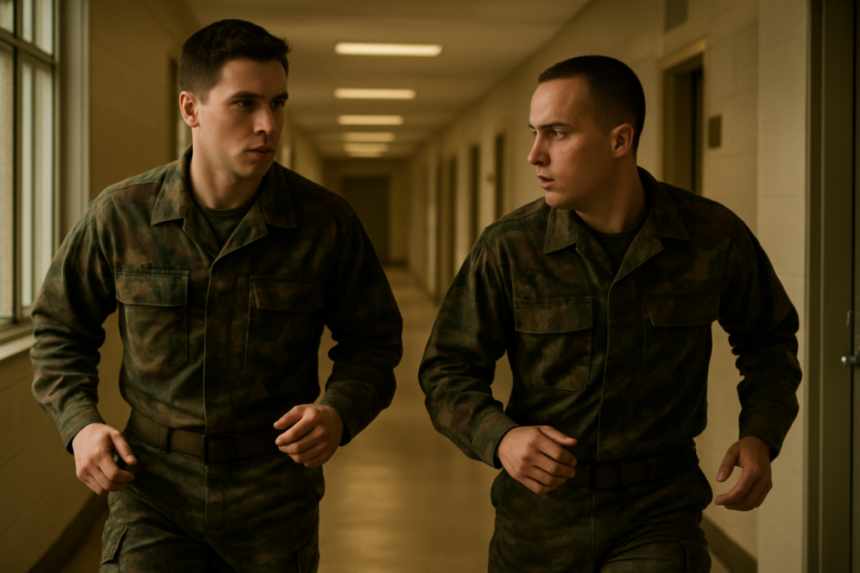
For three weeks on deployment, I would come back from the midnight radio shift to find my rack made tighter than I ever could and my boots squared away. Nobody would admit to it. The answer, when it came, undid me.
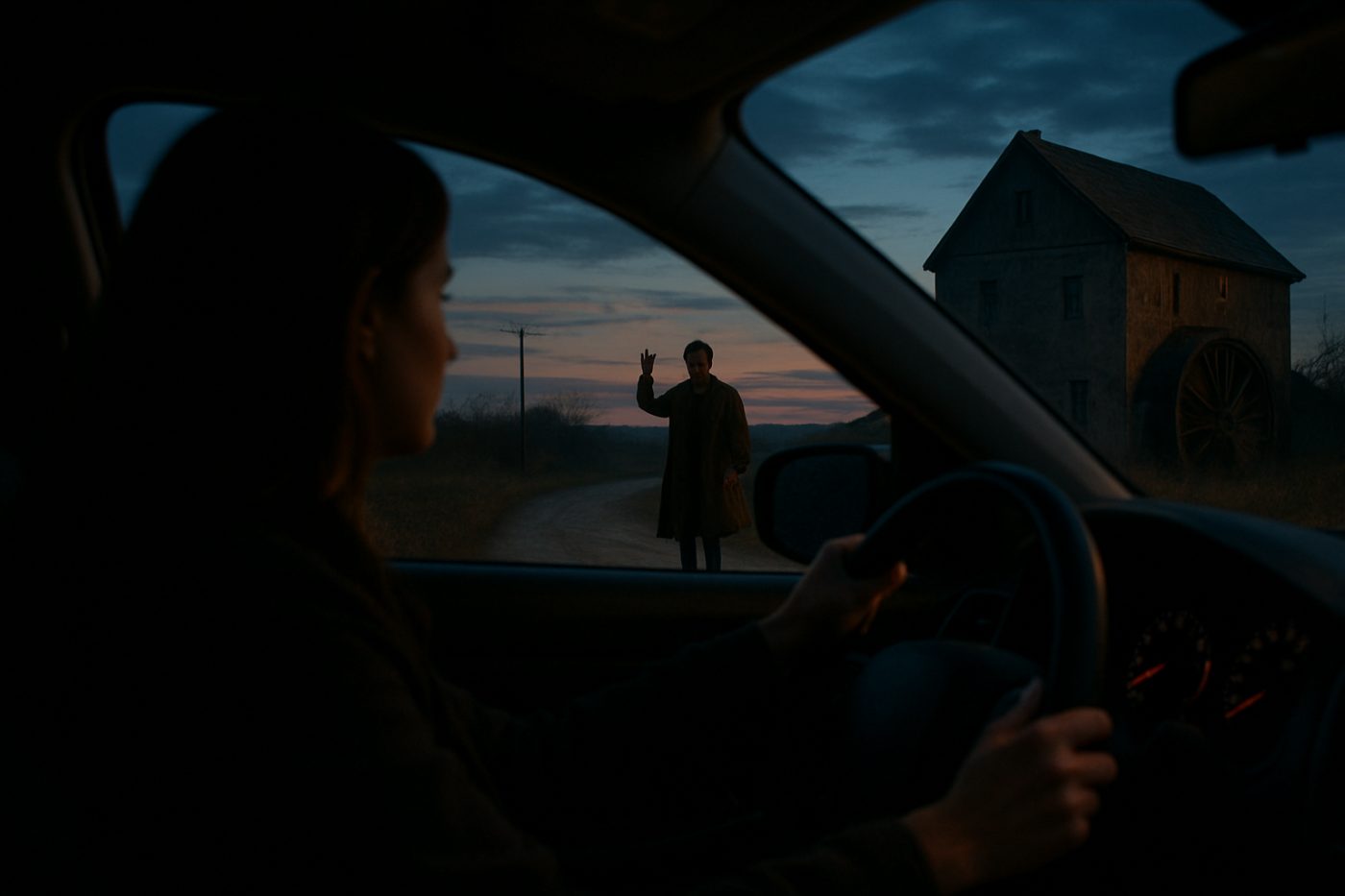
Same coat. Same bag. Twelve miles away. And, when I finally stopped, the same first sentence.
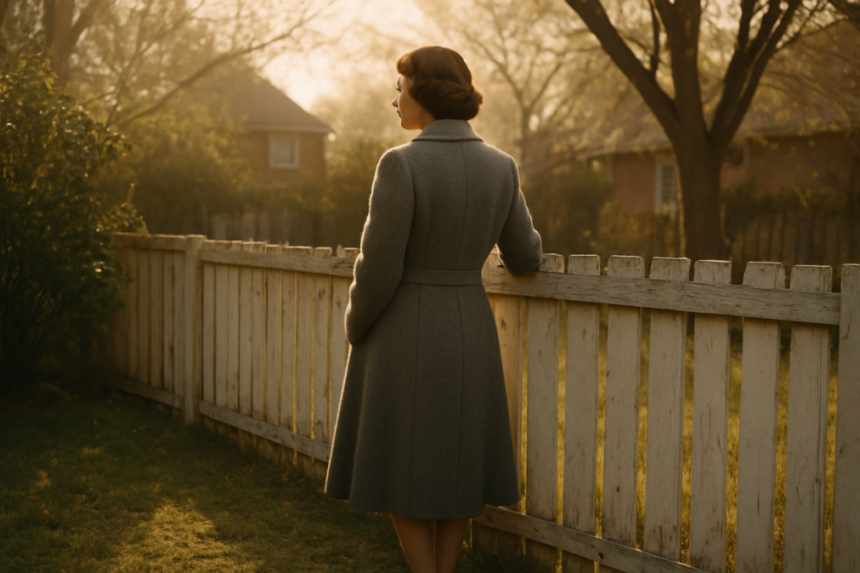
For eighty years my grandmother wore the same gray wool coat and never let anyone take it to the cleaners. When she died we found out why -- there was a letter stitched inside the hem.
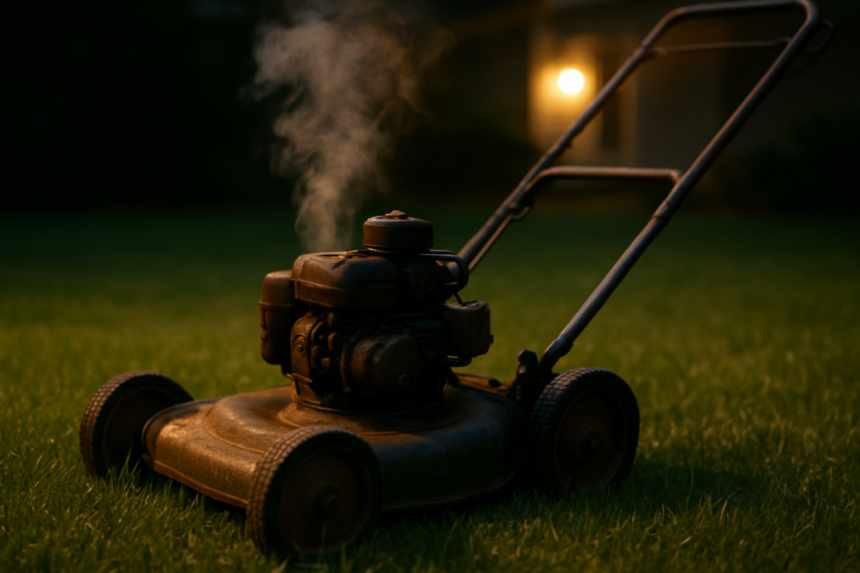
For three summers my neighbor cut his grass in the dead of night. I thought he was just unhinged. Then I found out what the engine noise was hiding, and honestly I miss the mowing.
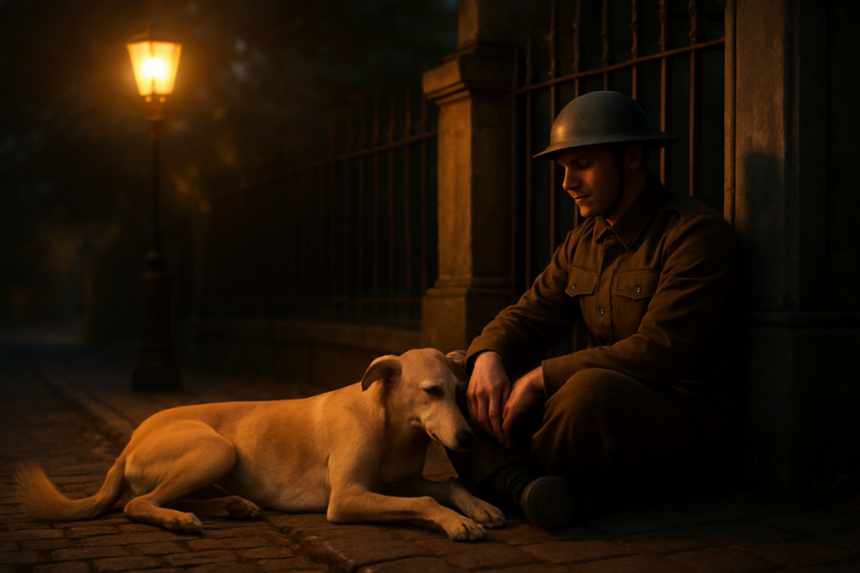
Every guard on that gate for sixty years has heard the same thing at the same hour: claws on concrete, going away from you.
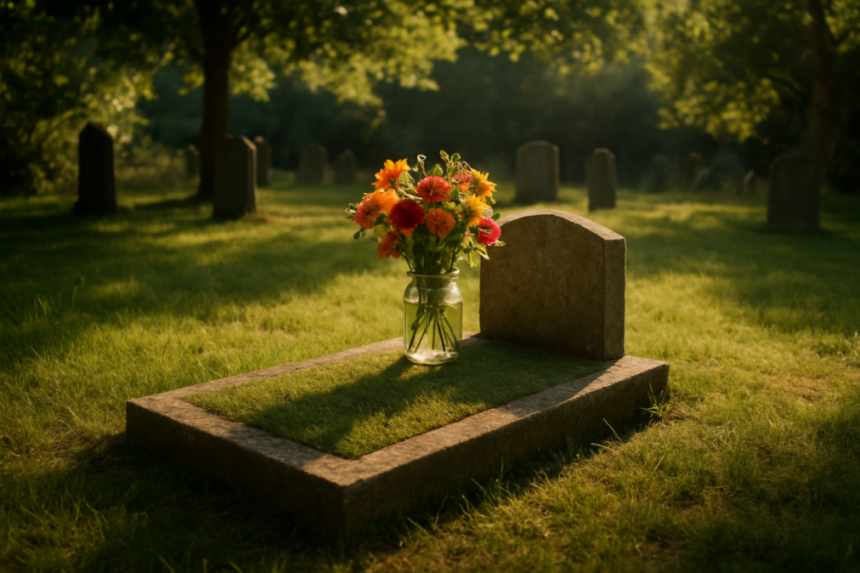
Fresh flowers. Weeds pulled. The glass jar washed. And nobody in my family does it, because there is nobody in my family left but me.
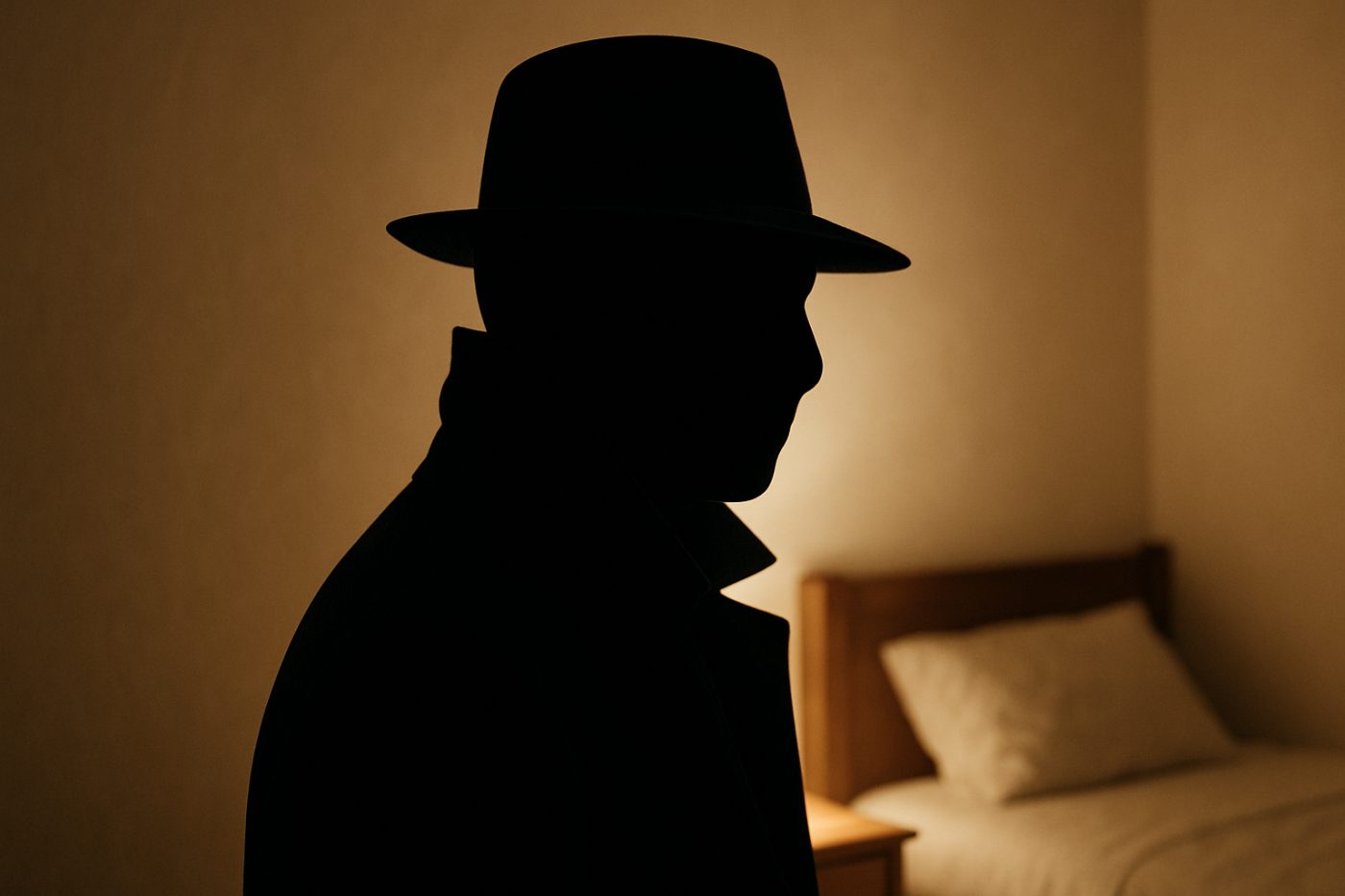
I was nine. I told my mother a man in a hat came at night. She went white and asked what kind of hat. I have never forgotten her face.
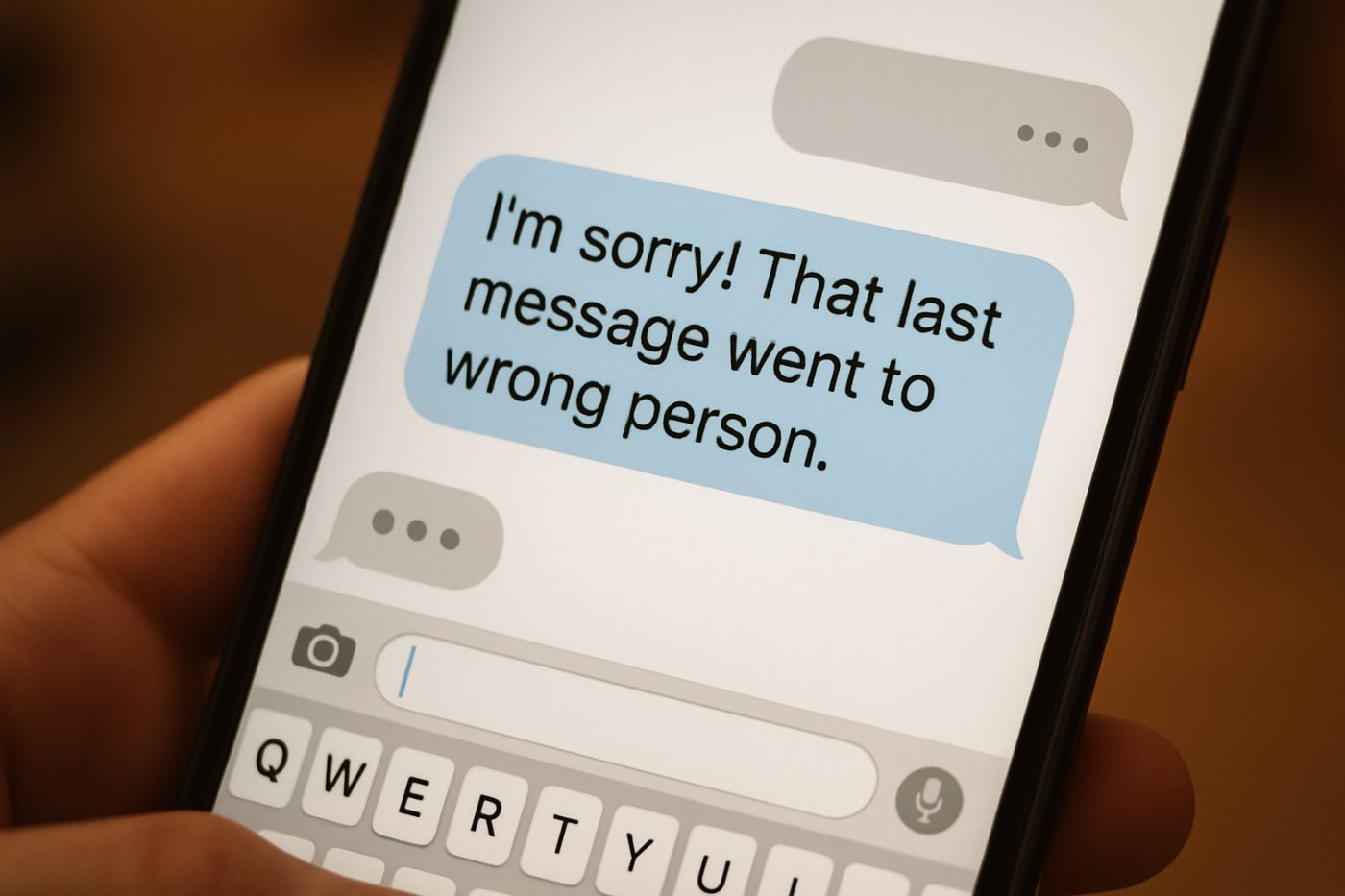
I meant to text my group chat that I was lowering my expectations and would flee if he chewed weird. I texted the date instead. Somehow it became the best opening line of my life.
Block C, ground floor, the stretch between the drying room and the fire door. Two hundred men, one unspoken agreement.
Our store ran out of bananas for four hours because a truck broke down. One man took it as a personal catastrophe, and I said the one thing you must never say to an angry customer.