
He Sat Down and Told Me My Own Week
A man joined my train table uninvited and, over forty minutes, narrated my exact week to me — meetings I'd had, an argument, a decision I hadn't told anyone. Then he got off, having never asked a thing.
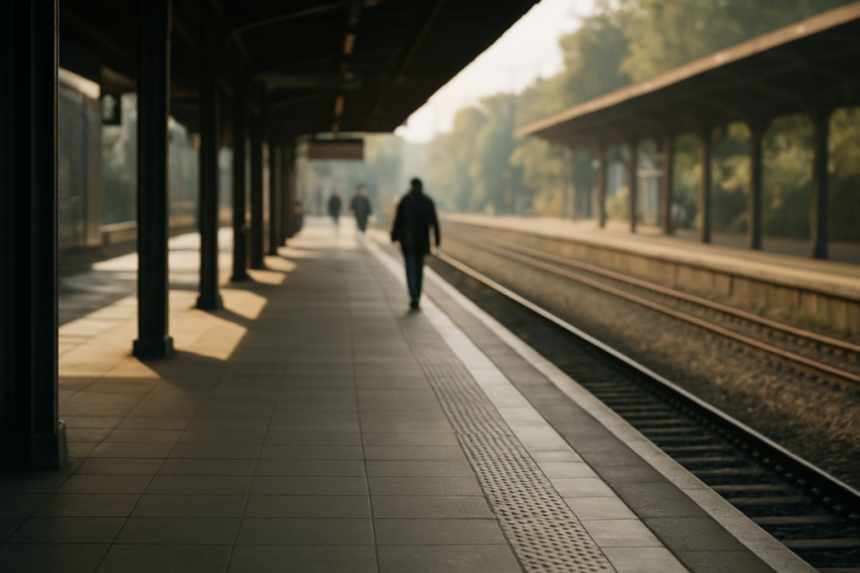
Doppelganger real life encounters are stranger than the fiction: these doppelganger stories describe meeting your doppelganger on a platform, in a photograph, or through somebody else's memory. Think you’ve seen yourself somewhere you couldn’t possibly be? This tag collects eerie personal accounts of the Doppelganger encounter in all its unsettling forms: uncanny look‑alikes, copied routines, borrowed identities, and strange doubles that hijack names, voices, faces, even daily habits. Each first‑person story claims to be true, but nothing here is fact‑checked or confirmed; they’re raw submissions about eerie mistaken identity and reality-bending coincidences that feel like they stepped out of a glitchy horror movie.
As always on this site, the jury is you. After reading, you decide whether each strange double, mirror-self, or replicated life moment really happened, or is just an inventive tale. Dive into the stories, follow the clues, and cast your vote on what’s real.
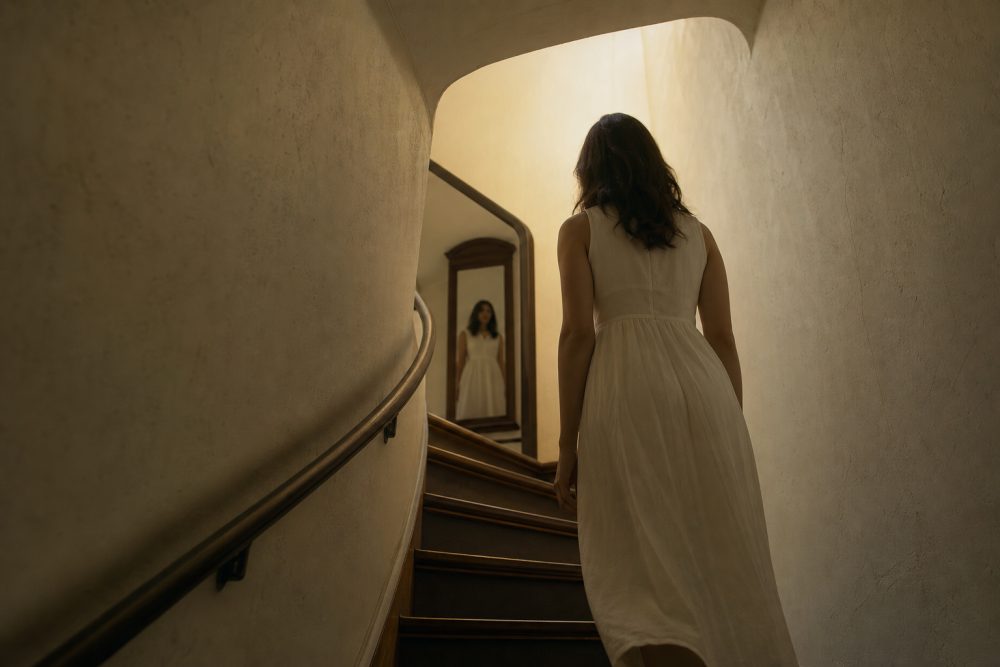
A man joined my train table uninvited and, over forty minutes, narrated my exact week to me — meetings I'd had, an argument, a decision I hadn't told anyone. Then he got off, having never asked a thing.
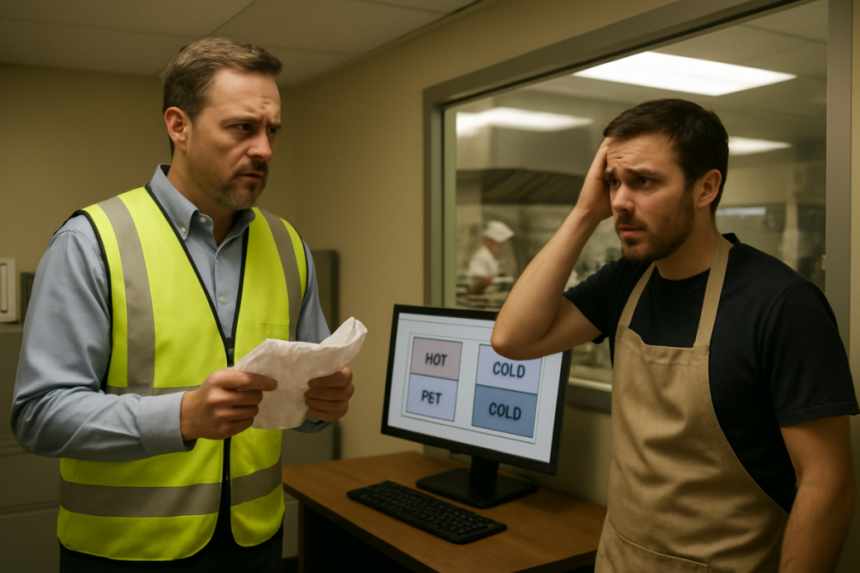
A catering worker is blamed for ruined deliveries until security footage shows her doppelganger entering early, using her badge, and hiding food in the freezer.
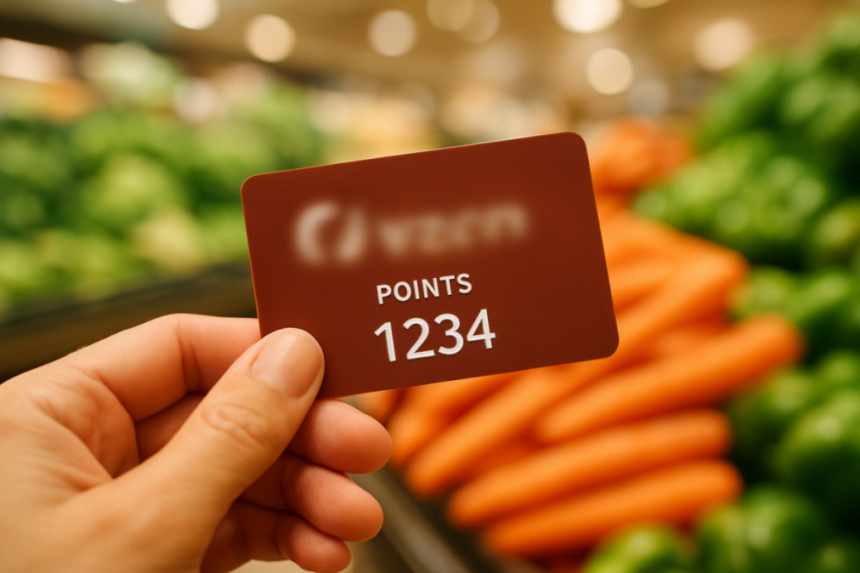
A supermarket stranger introduced herself with my full name, my street, my job — pleasantly, as facts about herself — and her loyalty card, the cashier confirmed, agreed with her.
He got on at my stop, dressed like me, same bag, same coffee order in the same cup — and every day for a week he corrected one more detail, closing in on being me.
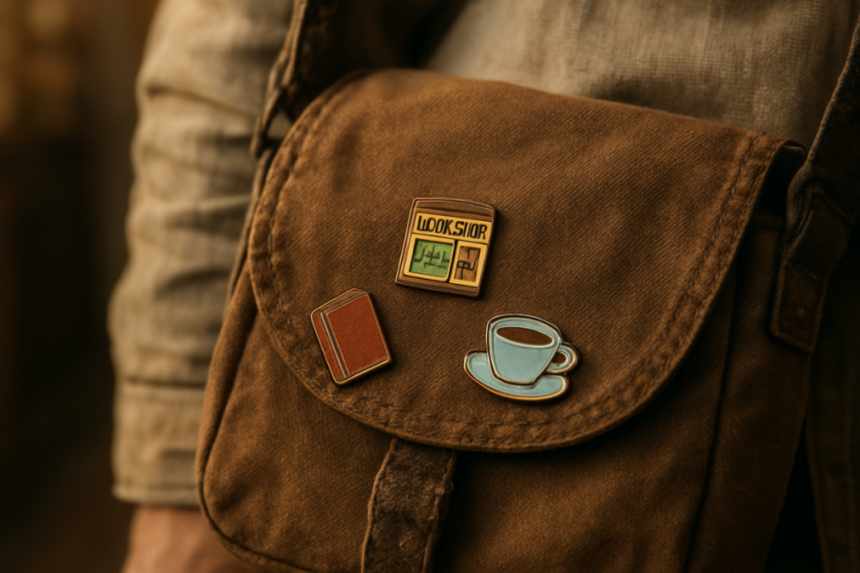
It lasted six weeks. Their mother thought it was a game. On the last night, one of them cried and said, "I want to go back."
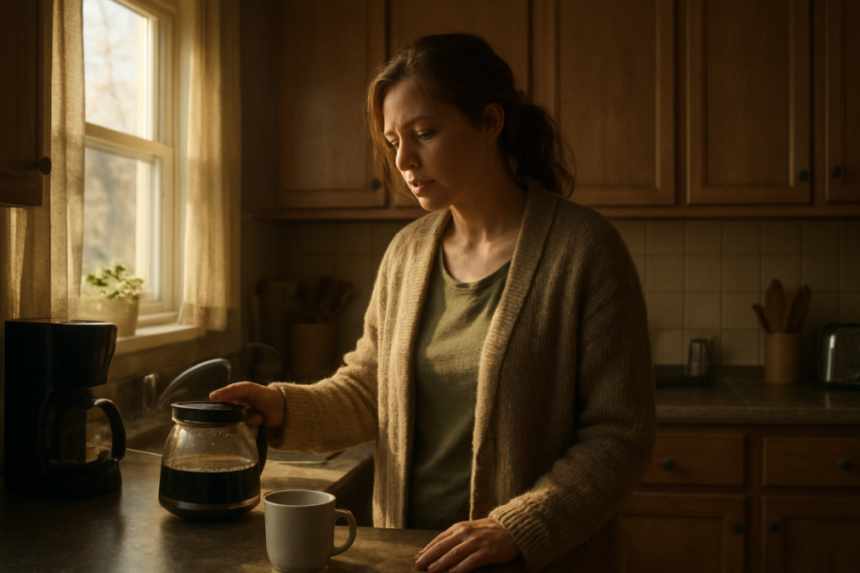
She did not speak. She pressed the button for my floor without being asked. And she was a stranger, and she was not.
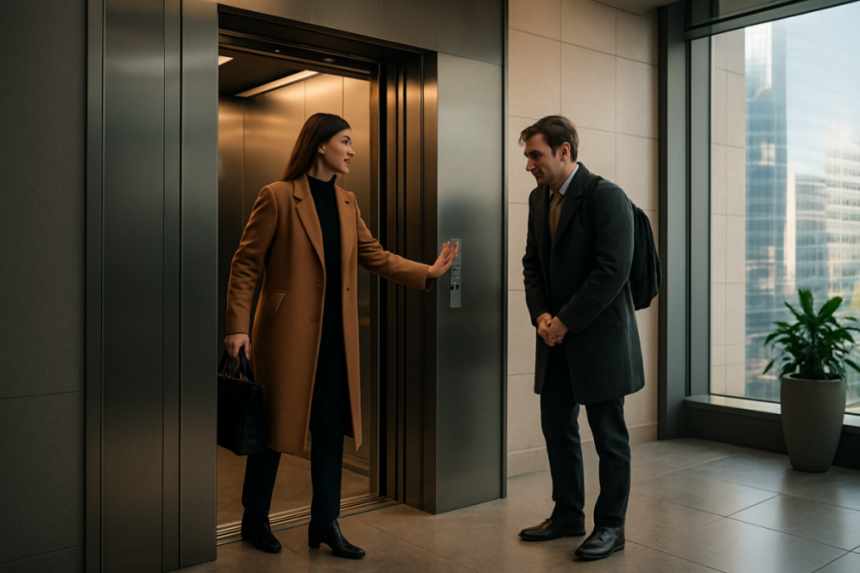
Eleven seconds. My number. My voice. I still have the file and I have played it to eight people, and four of them will not talk about it now.
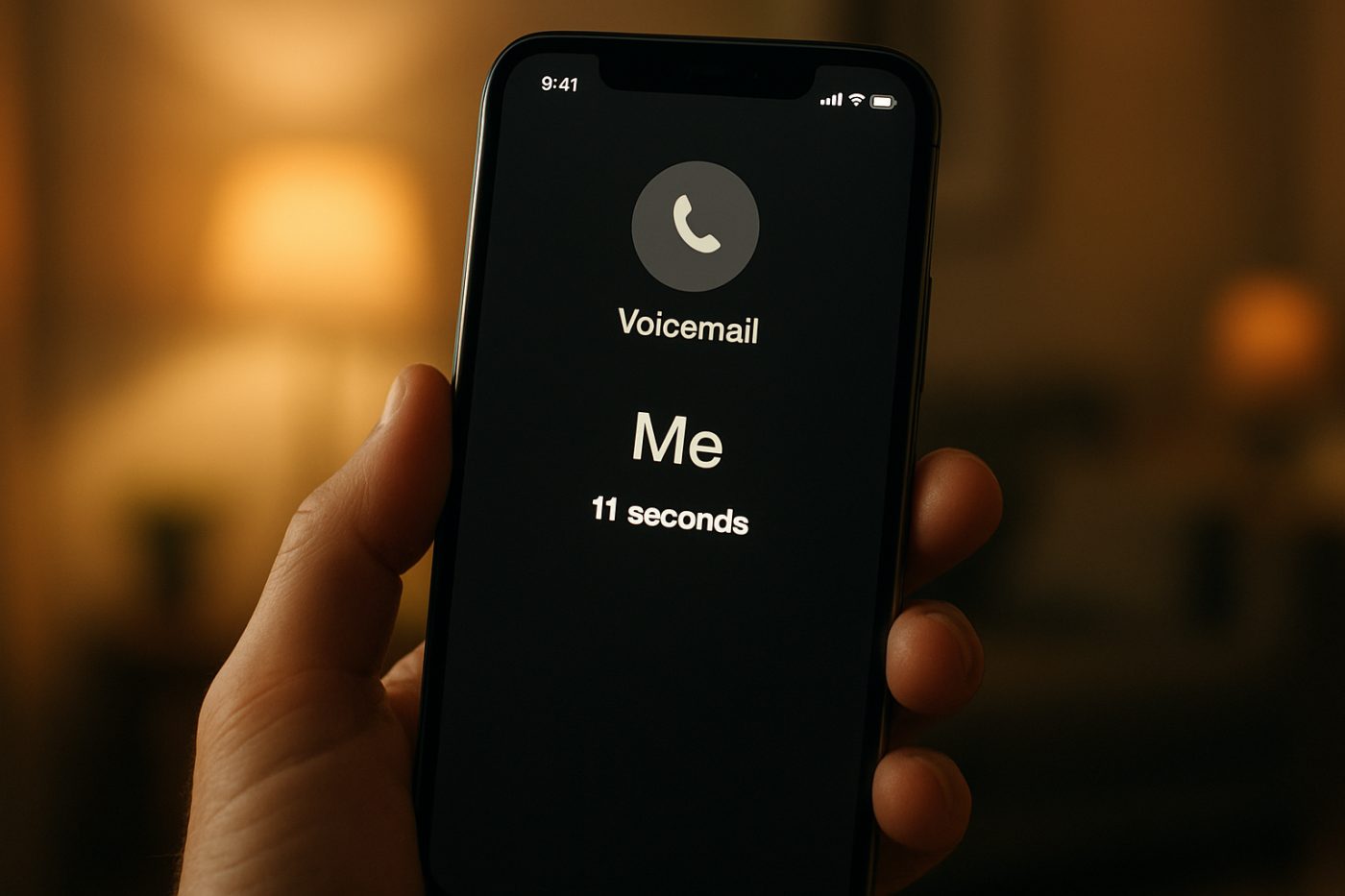
She sat down opposite me and talked for ten minutes. I answered. She remembers what I said. I was four hundred miles away and I can prove it.

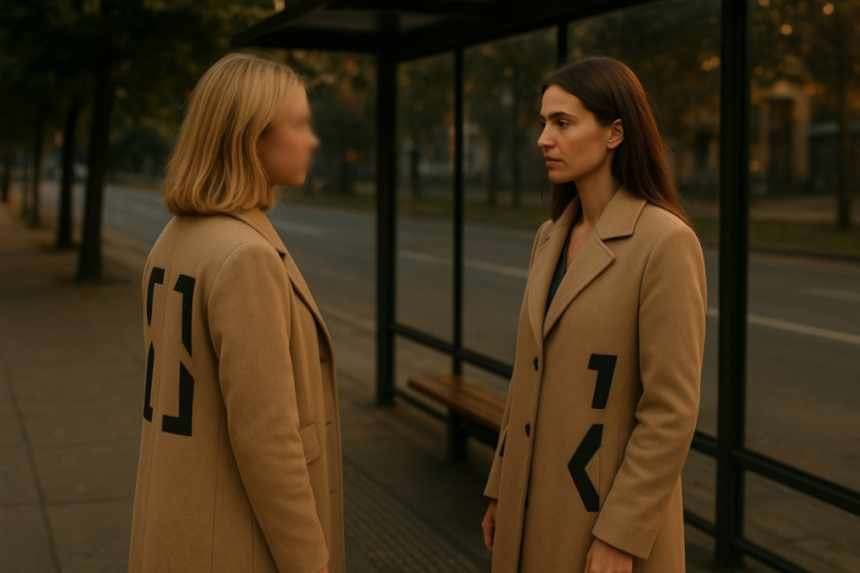
Same coat. Same missing second button. Same biro mark on the cuff from a pen that leaked in 2019.
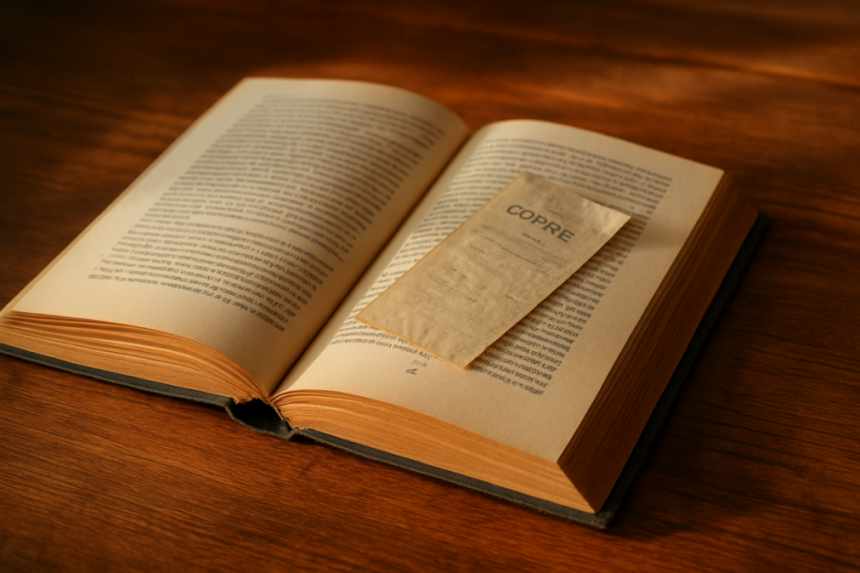
The courier photo is on the app. It is my porch, my door, my dressing gown — and it is not me, because I was in another city.
A colleague sat across from me in a meeting while, at the same time, three people on the floor below swore he was arguing with the printer. Same shirt, same time, two rooms.
A framed photo from my thirtieth birthday used to show a stranger photobombing in the background. Eight years later, everyone in the shot is still there — except him.
Nobody who has lived a doppelganger real life encounter describes it as funny afterwards. Endings are where these reports separate. Most stop politely: a stranger is spotted across a platform, the train goes, and nothing further happens. A smaller set escalates — the double is reported at an address, holds down a job, answers to the name, and the narrator spends a year explaining themselves to a bank. A very small set ends with the two actually meeting, which is nearly always an anticlimax. Sceptics note how badly we read faces at distance, how much a coat and a walk contribute, and how eager the mind is to complete a match. Narrators tend to say all this themselves, then describe the birthmark anyway.
Encounters where the double is plainly somebody else belong with creepy strangers stories, and the recurring tall figure has its own file under the hat man. A doppelganger account usually wins its vote on paperwork rather than atmosphere: misdirected post, or a colleague who insists they waved at you in a city you have never visited.
Lookalikes are very real: with billions of people on the planet, some unrelated people will share strikingly similar faces or habits. The eerie part comes when those doubles seem to know your life, turn up in your spaces, or act exactly like you, which is why so many readers share first‑person accounts and let the jury vote on whether they believe them.
Most explanations focus on chance, genetics, and how our brains recognize faces, which can make similarities feel stronger than they are. Others see these encounters as signs, glitches in reality, or spiritual messages, and reading multiple stories (and the jury reactions) can help you compare patterns rather than relying on a single wild tale.
Having a very similar face out there is not rare, but actually bumping into that person is still unusual. On sites where people submit their experiences, you’ll see enough accounts to show it happens, but not so many that it seems like an everyday event.
Reports of “you” being spotted somewhere else often turn out to be a lookalike, a memory error, or a timing mix‑up. Some storytellers frame it as a time slip or reality glitch, and the reader jury’s votes can give you a sense of which explanation feels most convincing to others.
They unsettle us because they challenge the idea that we’re unique and in control of our own image and movements. When a stranger shares your face, voice, or name, it blurs the line between coincidence and something weirder, especially when you read several similar accounts in one place.
Many people simply observe and move on, while others politely start a conversation to check if it’s really uncanny or just a passing resemblance. Trust your comfort level, and if you do have a memorable encounter, you can always write it up and see how a jury of readers responds to your version of events.
Science can account for facial similarity, pattern‑seeking in the brain, and fallible memory, which together explain a lot of “I saw your twin” stories. But when details pile up—shared names, habits, or overlapping timelines—people often turn to more speculative ideas, and the mix of skeptical and believing jury votes reflects that tension.
Some are probably embellished or misremembered, and anonymous submissions always leave room for doubt. That’s why the format of sharing detailed first‑person accounts and letting a jury decide “true” or “invented” is useful: it keeps both belief and skepticism in play.