
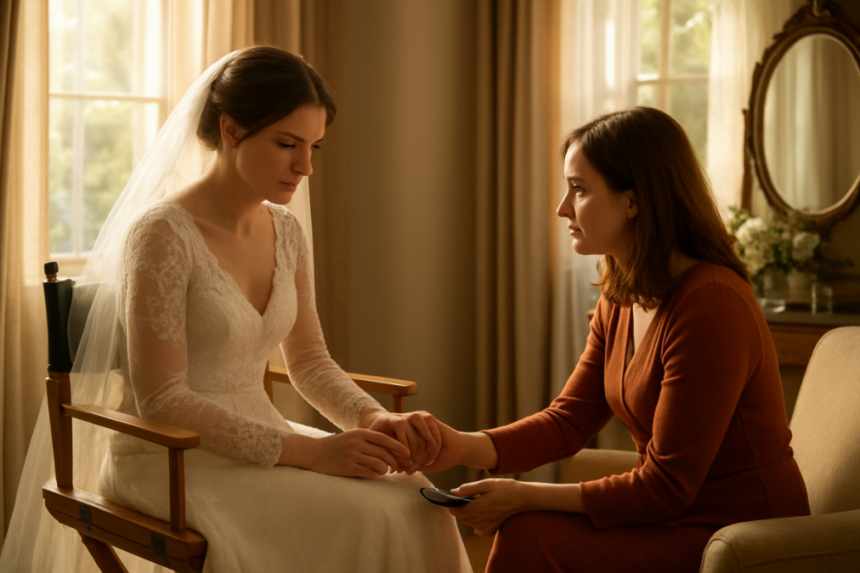
My Maid Of Honour Read The Groom's Texts To Me An Hour Before The Ceremony
She did not want to. She said, "You will hate me for this and I have decided I can live with that."
Bridezilla stories are wedding drama stories with a budget: this tag collects entitled bride behaviour reported by the people who paid for it. When “it’s my special day” turns into a full-scale power trip, you’ll find the story here. This tag is home to wedding confessionals about over-the-top brides, boundary-stomping in‑laws, chaotic bridal parties, and ceremony showdowns over money, dress codes, guest lists, and attention. Every account is told in the first person, from outrageous demands and jaw-dropping ultimatums to shocking behavior that can derail the big day before anyone says “I do.” Each tale is a personal perspective, not a verified report.
On this page, the reader jury decides what feels believable and what sounds fabricated. As you scroll through these wedding dramas, you can weigh in on controlling spouses-to-be, manipulative relatives, and meltdown-prone newlyweds, then cast your vote on whether you think it really happened. Dive in, read closely, and vote on every story.
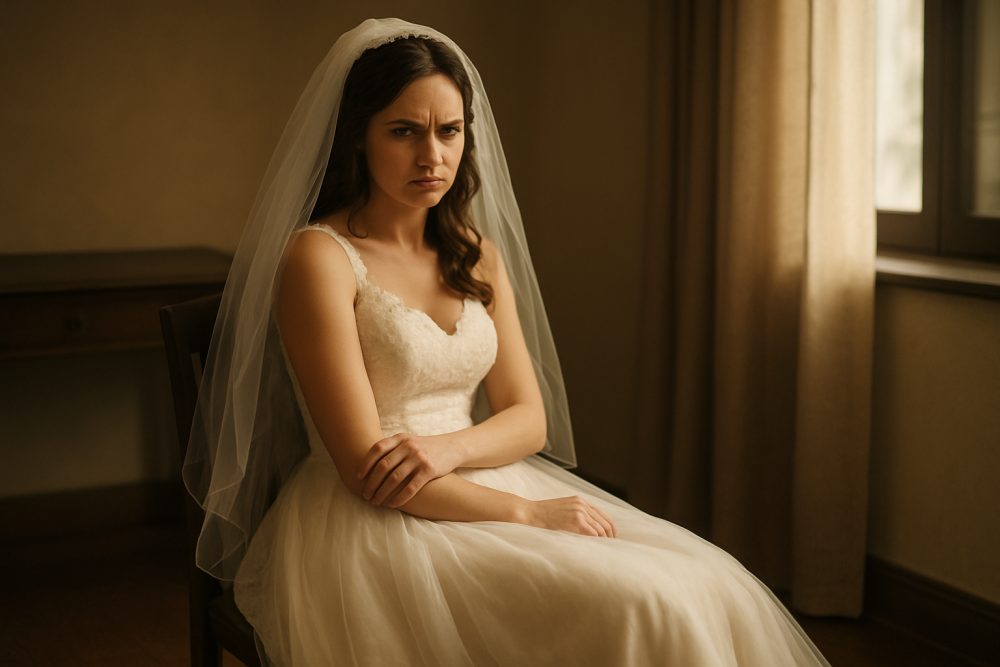
She did not want to. She said, "You will hate me for this and I have decided I can live with that."
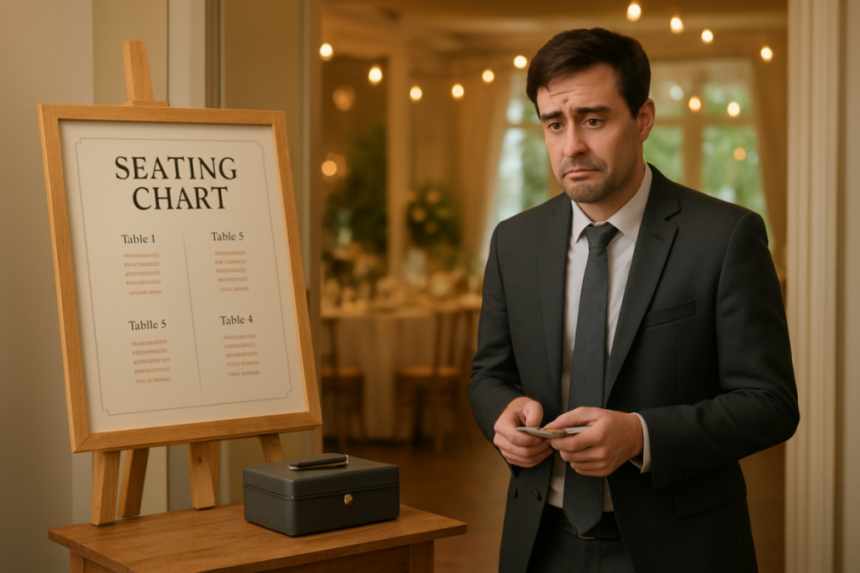
The seating plan at the entrance had prices on it — literal prices, cash or QR code, with the front tables sold like concert tiers and grandma's table listed as 'value'.
Two weeks before the wedding I broke my wrist. The bride's solution, delivered by text, was that a lime-green cast 'wasn't in the palette' — and neither, then, was I.
The invitation's 'colour assignments' seemed whimsical until we cracked the code at the reception — guests had been colour-coded by income bracket, gold nearest the couple.

Ten days after the wedding, every guest received an itemised bill — my 'plate, chair rental and ambience share' came to $174, with late fees for non-payment.
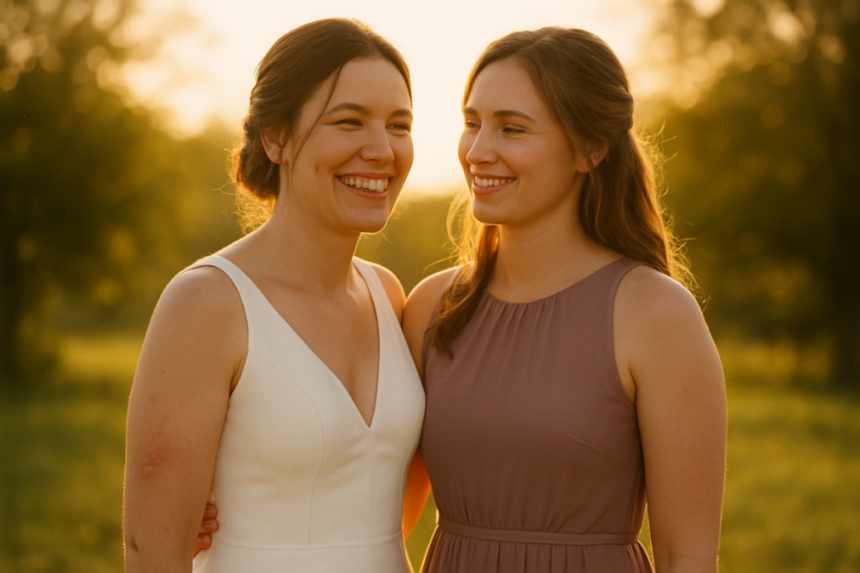
A cousin dropped me from her wedding to save a seat, in a cruel little message. Three weeks before the date her venue fell through, and the only barn in the family was mine.
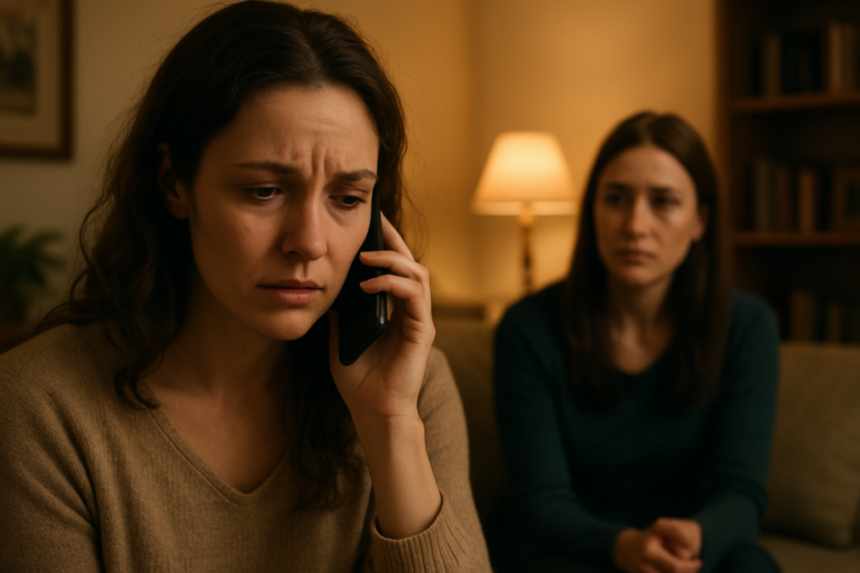
It was white. It was floor-length. It had a small train. She called it oyster and dared the room to argue.
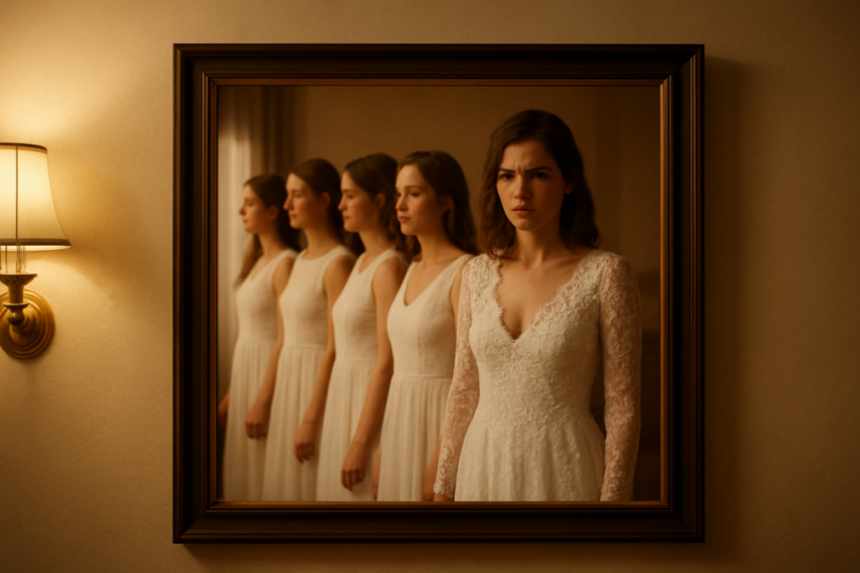
The maid of honor stood up, raised her glass, and confessed, into the microphone, that she and the groom had been together three weeks earlier. The couple was not yet legally married. They never became so.
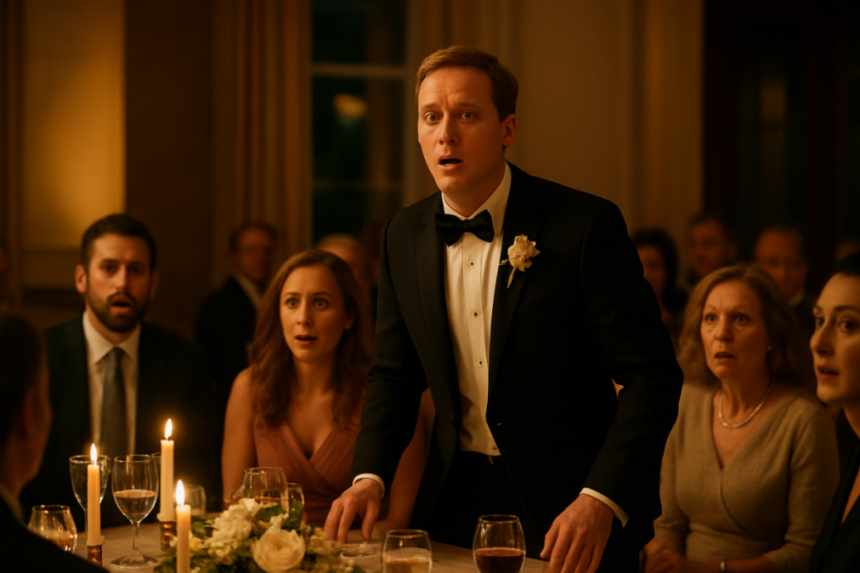
A cousin brought a date to the wedding. The date was the groom's ex-girlfriend, who spent the reception toasting loudly to "what could have been" until security walked her out mid-speech.

She said her dress was "cream." It was a floor-length white gown with a small train. She arrived early for photos, positioned herself beside the aisle, and told guests she was "the other bride."
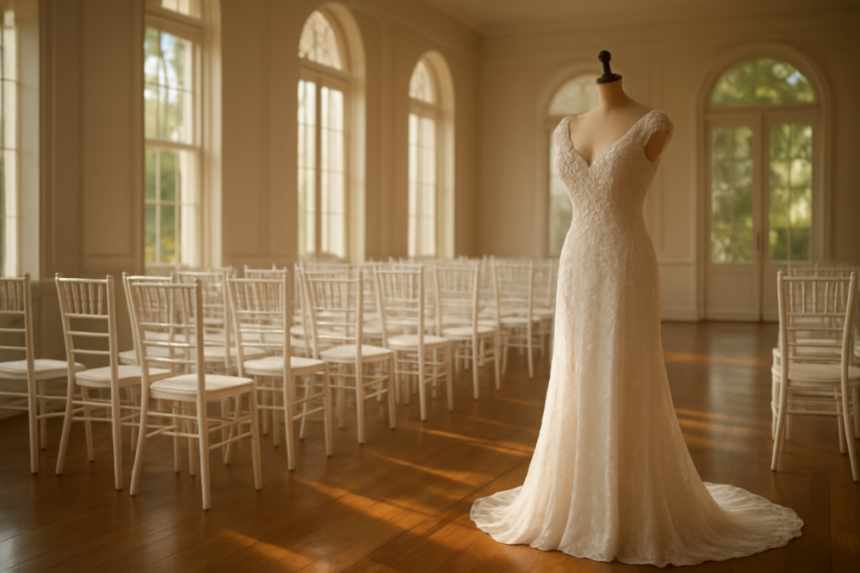
Entitled bride behaviour almost never arrives fully formed. Escalation in these accounts follows a shape most readers recognise by the third story. It starts with a small, defensible ask — a colour, a weekend, a date held loosely. Then the ask acquires a deadline. Then a cost, transferred quietly onto whoever seems least likely to object, usually a sibling or an old friend with a steady job. By the time anyone refuses out loud, the refusal is treated as sabotage of a plan they never agreed to in the first place. The revealing variable is not the demand but the moment the group stops treating it as a joke, which tends to arrive about six weeks too late.
The wider catalogue sits in wedding horror stories, and the older generation gets its own hearing under mother-in-law. Readers are strict here: an entitled bride account with figures, dates and one text message quoted verbatim gets believed, while a bare list of outrages usually reads as revenge fiction, however satisfying. Nobody is asking for names — the receipts do all the work.
The stories are submitted as first-person accounts, and some are surprisingly detailed and specific. A reader jury votes on whether they believe each one really happened, so you can see how convincing other readers found them. While not every account can be independently verified, patterns across many submissions suggest that extreme wedding behavior does happen in real life.
Weddings combine money, family expectations, social pressure, and lifelong fantasies, which can exaggerate existing personality traits. When stress, perfectionism, or entitlement collide, people may justify behavior they’d never consider in everyday life. Reading different accounts and the jury reactions can give perspective on how others see these situations from the outside.
Most weddings are relatively drama-free, but conflict over money, guest lists, and attention is common enough that many people have at least one wild story. The site collects the most extreme examples, so it may feel like this behavior is everywhere, but that’s a selection effect. The jury votes help separate “this could happen” from “this sounds too over the top.”
Start by setting clear, calm boundaries about what you can afford or are comfortable doing, ideally in private and well before the event. If the behavior becomes disrespectful or exploitative, it’s reasonable to scale back your involvement or decline. Reading how others handled similar situations, and how the jury judged them, can help you weigh your options.
In some social circles, it’s become normalized for bridesmaids and guests to cover outfits, travel, and even “premium” seating. Problems arise when expectations aren’t communicated early or are out of proportion to people’s budgets. Many stories on the site revolve around this mismatch, and the jury votes often reflect whether readers feel those expectations were fair.
Family tensions that already exist tend to surface around big milestones, and weddings are a prime example. Sometimes in-laws or parents use tradition or “it’s my child’s big day” to justify overstepping boundaries. The recurring themes in multiple submissions, plus consistent jury reactions, show that this type of conflict is very familiar to many readers.
A useful test is to flip the roles: would you think the behavior was fair if you were the guest or bridesmaid instead of the person getting married? Another check is whether you’d feel comfortable seeing your demands written out as a story for strangers and a jury to judge. If the answer makes you cringe, it may be time to adjust expectations.
Weddings often reveal differences in values, finances, and priorities that were easier to ignore before. When someone feels taken for granted, sidelined, or used as a prop, resentment can build quickly. Many stories here end with friendships cooling or ending, and the jury votes often center on who crossed the line first.