
I Dreamed The Same Canal For Thirty Years
A woman dreams of trainers left on a canal bank for three decades, until one summer evening the dream finally arrives in daylight.
Recurring dream stories all start the same way — the same dream every night, or every winter, until the sleeper stopped ignoring it. Repetition is the sleeping mind underlining something. In these accounts the loop eventually broke — a place was found, a warning came true, a memory returned — and the author finally understood what the reruns were for.
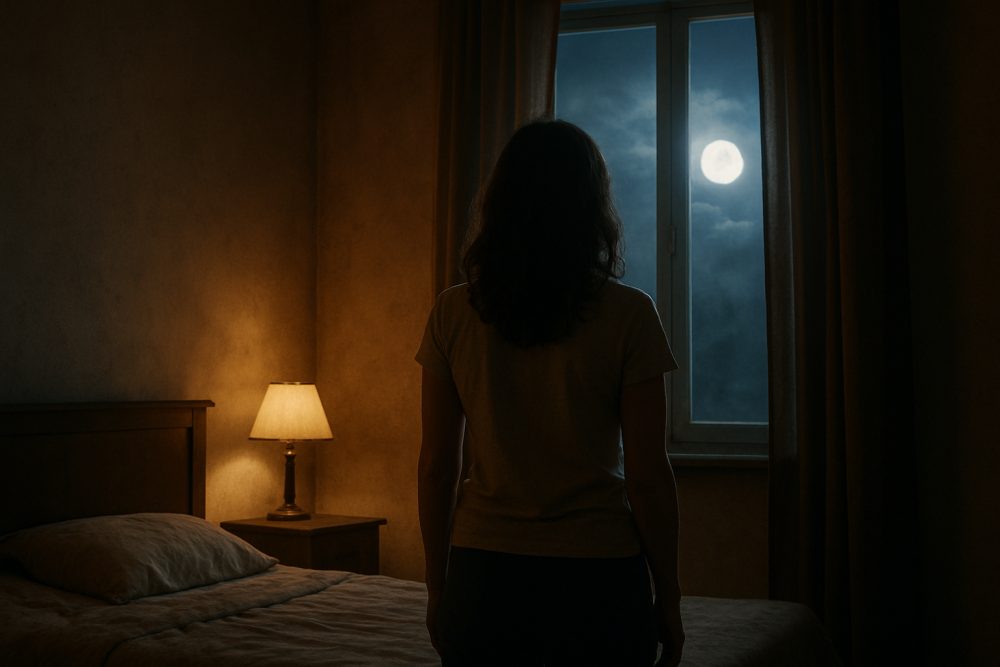
A woman dreams of trainers left on a canal bank for three decades, until one summer evening the dream finally arrives in daylight.
The week before finals I dreamed the entire chemistry exam — six questions, in order. I told my study group. We revised the dreamed topics. Five of the six came up.

A field, a gate, and a horse that will not look at you. She described it before I ever said a word about it.

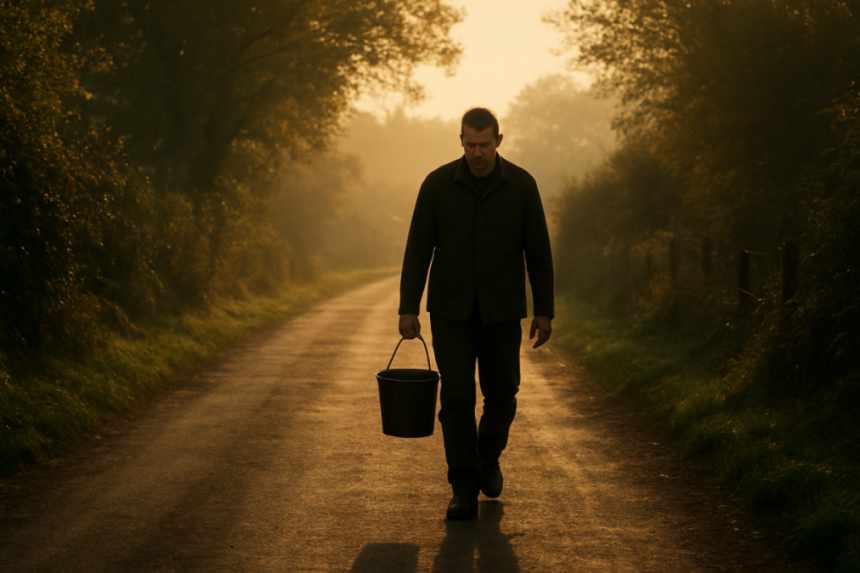
For eleven years the man in the dream carried an empty bucket. In March, the bucket was full. Nine days later my brother had his accident.
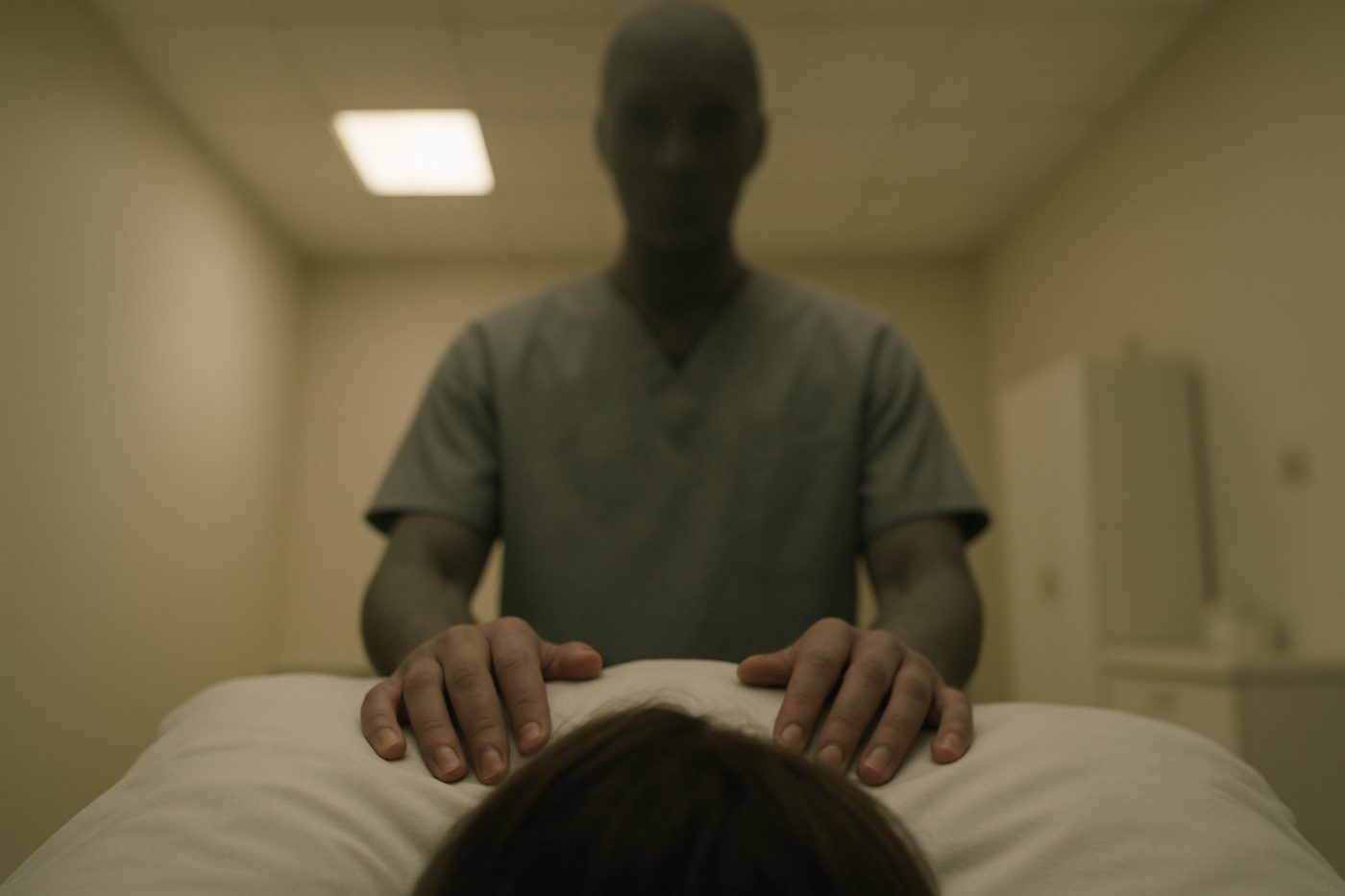
When I was finally admitted, in an emergency, in another city, the nurse looked at me and said, "You're very calm."

I did not recognise it in the estate agent's photographs. I recognised it when I put my hand on the gate, and my legs stopped working.

The dream never changes: a low ceiling, a smell like pennies, and a decision being made about me by people who are not unkind.
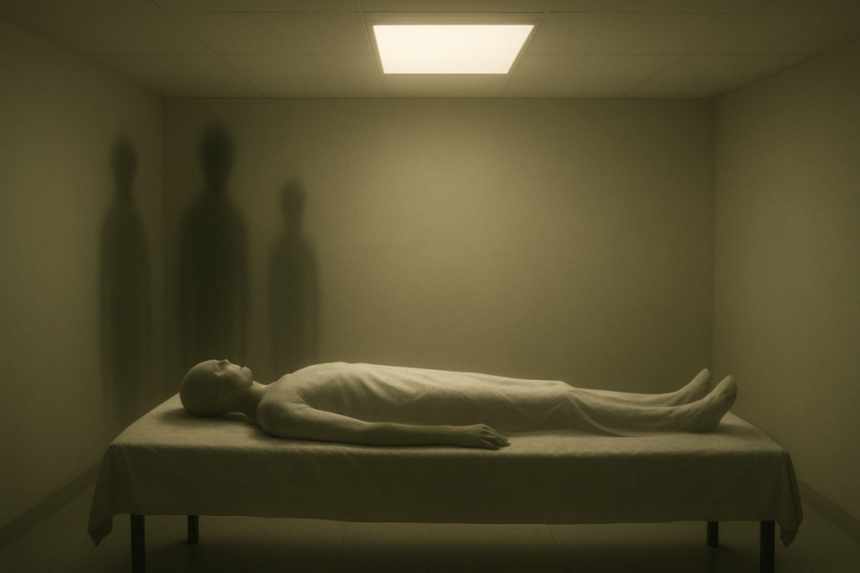
I use a snore-tracking app. On the night I dreamed about the grey room, it flagged 40 minutes of "speech" — and I live alone.
A week of dreams put me in a grey meeting room facing three interviewers and one impossible question about bridges. The real panel matched the dream — chair squeak and all.

At a viewing I told the agent about the crack shaped like a heron before we entered the room it was in — I had been dreaming that hallway for six years.

Since my teens, one unfamiliar face kept appearing in my dreams — always at a blue door. At thirty-one, a rental viewing put me in front of that door, and he opened it.

Three nights running I dreamed of overhead bins bursting open over seat 14C. I swapped my boarding pass at the gate — and met the turbulence from my dream on the news.

Nobody submits a recurring dream until it has run long enough to frighten them. Sort these accounts by what repeats and three groups appear. The largest is architectural: a house with one corridor too many, a staircase that always turns the wrong way, a town square the dreamer could draw from memory but has never visited. The second is a single figure, usually silent, usually standing at the same distance. The third is a task left unfinished — a train not caught, a door not opened, a name not said. Sleep researchers tie all of it to consolidation and unresolved feeling, and most narrators agree, right up until the morning that corridor turned up in an estate agent's photograph.
Loops that turn frightening rather than merely repetitive often belong with night terrors, or with the pinned-down variety in sleep paralysis stories. What makes recurring dreams worth reading here is the break in the pattern: the night it changed, and what you learned afterwards. Say when you first wrote it down, and who else you told.
Not necessarily. Repeating dreams are very common and often reflect stress, unresolved emotions, or habits your mind keeps revisiting. They can be uncomfortable without meaning anything medically serious. Reading how other people describe these patterns, and how the jury votes on whether they really happened, can help you feel less alone with your own nighttime reruns.
Many psychologists think repeated dreams are your brain’s way of processing strong feelings, fears, or unfinished business. They tend to show up more during big life changes or ongoing stress. Details can shift from night to night, like in many of the stories here, but the core theme often stays the same until the underlying issue eases.
Most experts explain persistent nightmares in terms of memory, emotion, and sleep patterns, not the supernatural. Intense or strange details can feel eerie, especially if they line up with real life later on. On this site you’ll see some people interpret their experiences as eerie or psychic and others as coincidence, and the reader jury votes reflect that mix of belief and skepticism.
It’s very common for people to report a familiar scene, place, or situation repeating for years, sometimes even decades. Often the setting or one striking image (like a door, a house, or a face) is what stays constant. The collection of true stories here shows just how varied those long-running dream themes can be.
Sometimes parts of a dream can resemble future events, but this is usually explained by coincidence, your brain noticing patterns, or you unconsciously moving toward what you’ve imagined. Because we dream so often, a few overlaps with real life are statistically likely. The stories on this page explore that eerie feeling when a dream seems to play out in reality, and the jury’s votes show how convincing each account feels to other readers.
Start by paying attention to how the dream makes you feel and what it seems to be about in your waking life—stress, grief, desire, fear, or something unresolved. Gentle habits like keeping a dream journal, reducing stress before bed, and talking to someone you trust can help. If the dreams are very distressing or affect your sleep and mood, a mental health professional can offer more tailored support.
Shared dreams—where two people report similar dream content at the same time—are reported anecdotally but are hard to verify scientifically. Often, people influence each other’s dreams simply by talking about them, or by going through the same real-life events. On this site you’ll find stories of parents, partners, and friends who feel they’ve “met” in dreams, and the reader jury weighs in on how believable those accounts seem.