
The Wedding Video Caught a Guest Nobody Invited
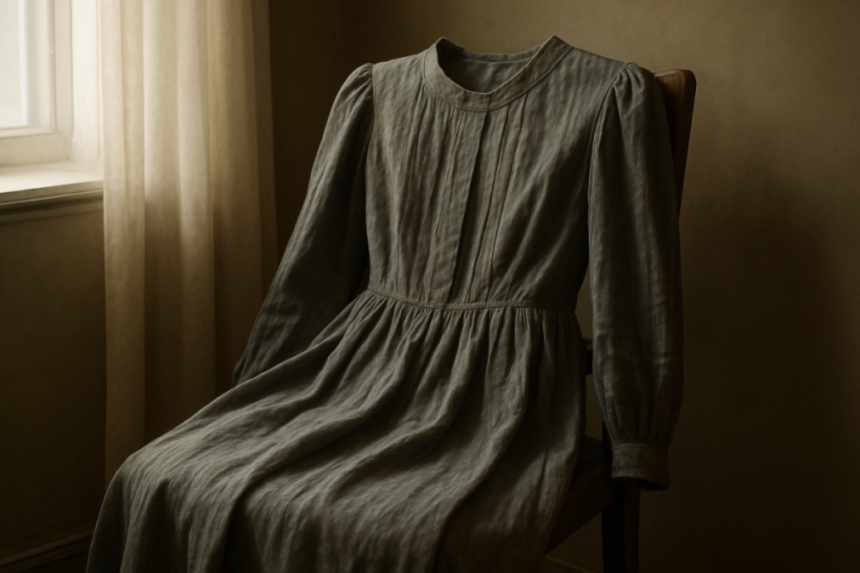
Reviewing the professional wedding film, the couple counted a figure at the back of every wide shot — a woman in grey, in every scene, whom no guest, no family member, and no photographer can identify.
Wedding guest drama is best documented from table nine: rude wedding guests, seating-chart warfare and the perennial question of wearing white to a wedding. Every Wedding Guest has a story, and this tag collects the wildest firsthand accounts from the people in the pews and at the reception tables. Here you’ll find eye-witness tales of disastrous receptions, awkward toasts, petty power plays over seating charts, vanishing vendors, chaotic distant cousins, and etiquette violations so bold you’ll wonder how the couple made it to the first dance. Some narrators are invitees who tried to be on their best behavior; others admit they were the one quietly stirring the drama.
Each narrative is submitted by an individual telling their own side of what went down, from strange dress codes to shocking speeches and guest-list warfare. None of these stories are fact-checked; the only test they face is you. Read, decide if you think it really happened, and cast your vote.
Reviewing the professional wedding film, the couple counted a figure at the back of every wide shot — a woman in grey, in every scene, whom no guest, no family member, and no photographer can identify.
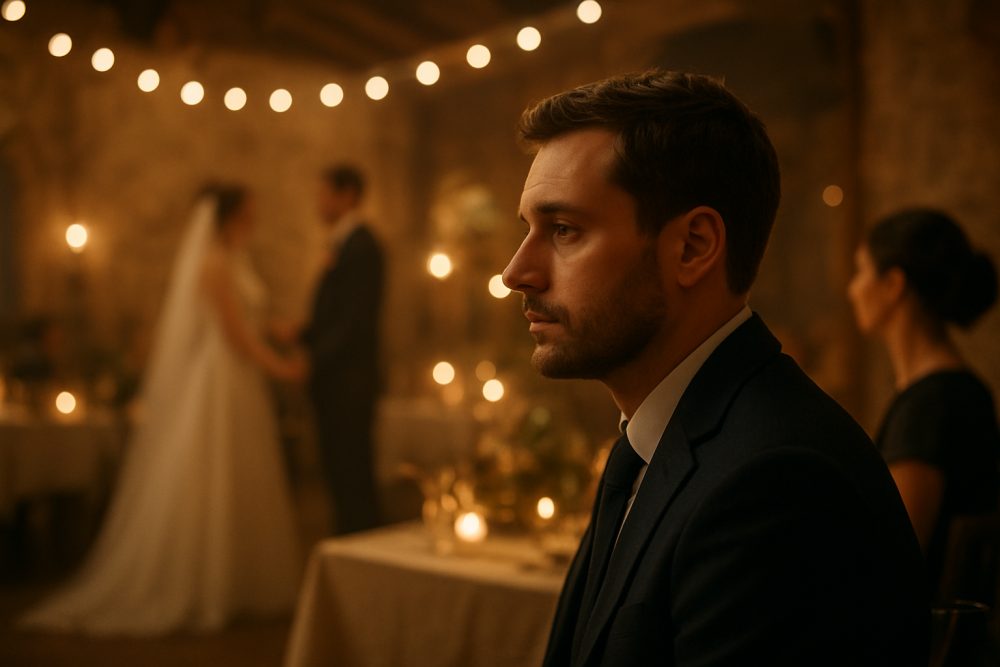
The bride's estranged family and the groom's estranged family were, unknown to the couple, the two halves of a decades-old village feud. The seating plan sat them alternately, boy-girl, like a fuse.
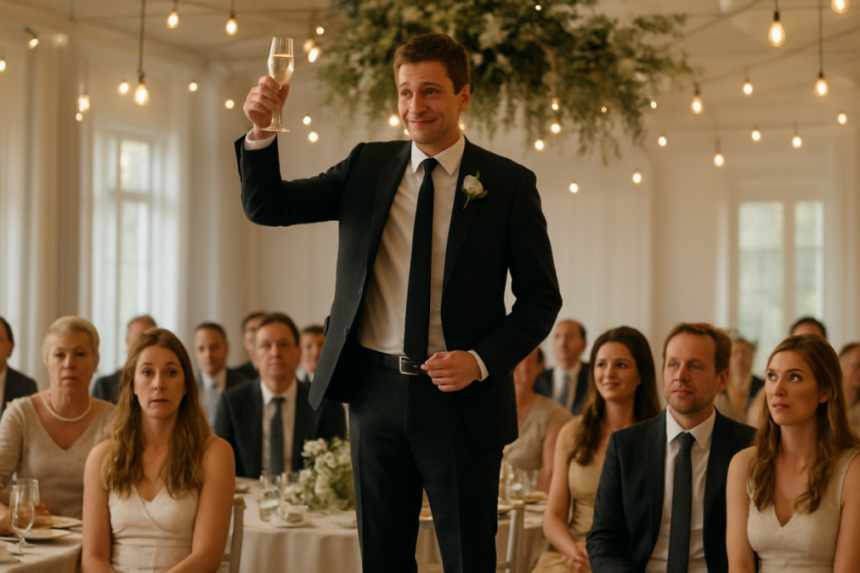
He grabbed a phone from the top table and read the speech aloud with confidence. It was his speech — from the groom's FIRST wedding, three years earlier, which the bride knew nothing about.
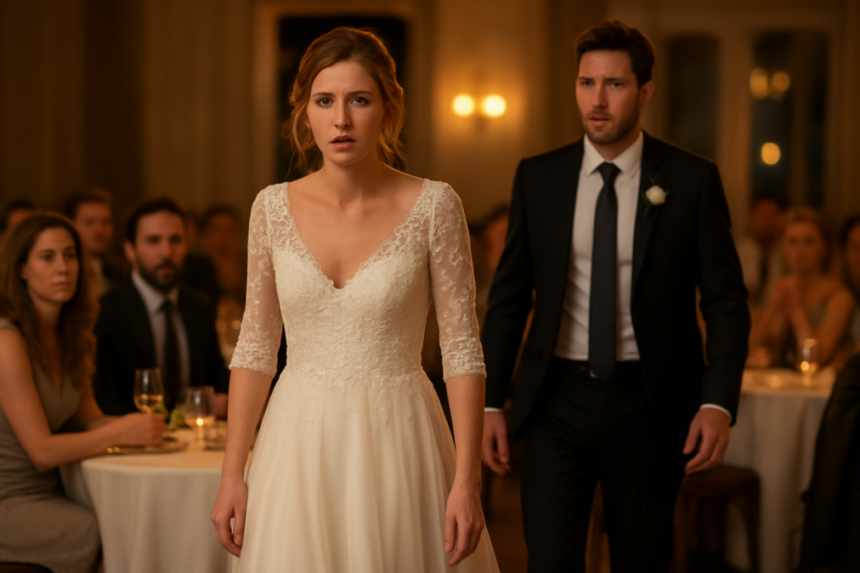
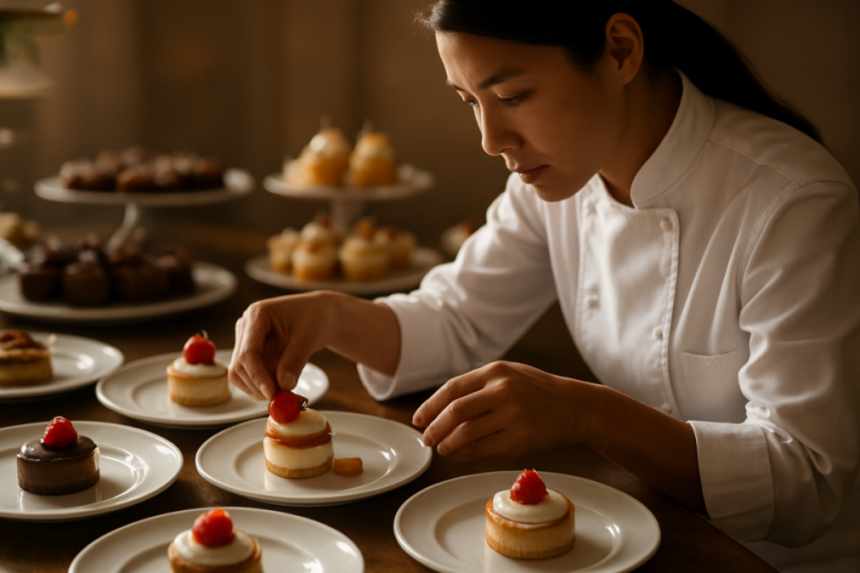
Nobody vetted the caterer the mother-in-law booked. Halfway through the meal the bride recognised the woman plating desserts: the groom's ex, hired, she later admitted, 'to see what she'd lost.'
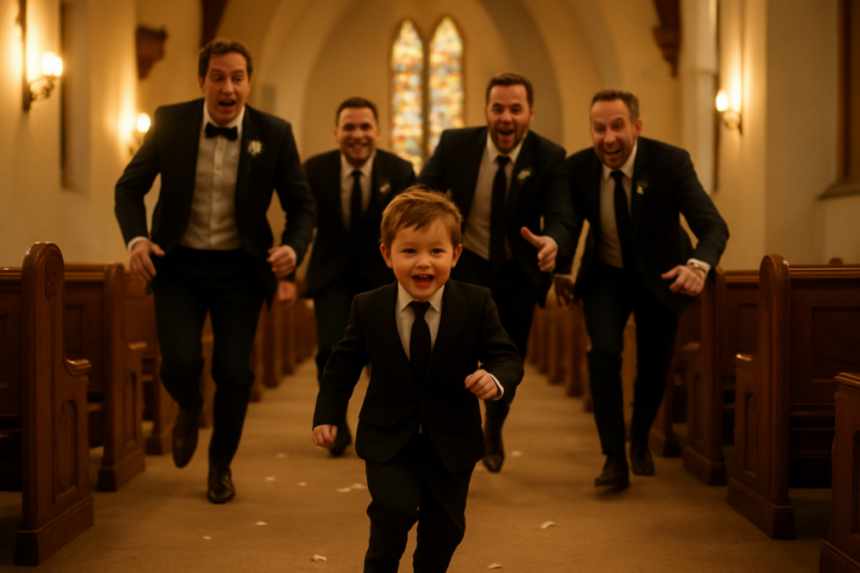
My four-year-old nephew had one job: carry the rings down the aisle. Instead he spotted the cake, changed course at full speed, and held an entire wedding hostage for the rings.
At 6 p.m., a coach pulled up and the father of the groom unloaded forty extra relatives he'd invited personally — to a wedding catered, seated and budgeted for ninety.
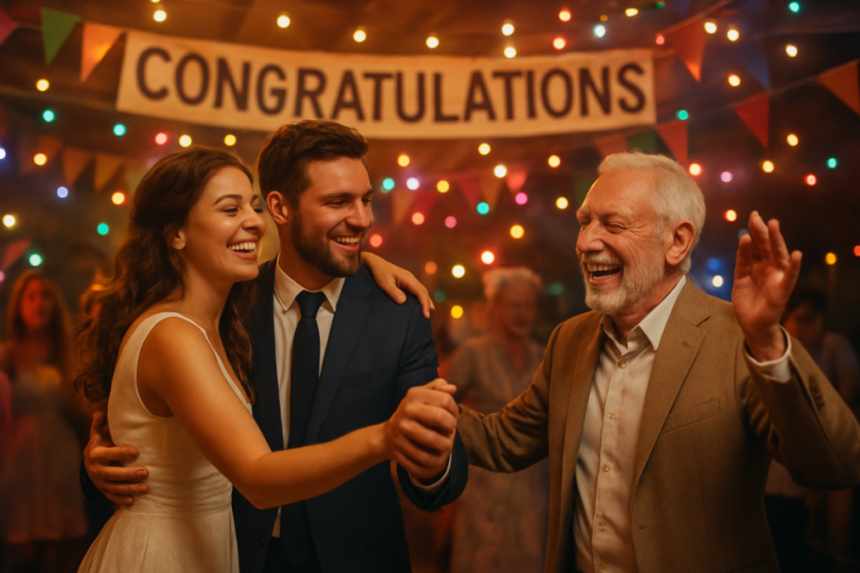
The venue double-booked our reception with a retirement gala, proposed a folding divider as the solution — and by evening's end, two parties had annexed each other completely.
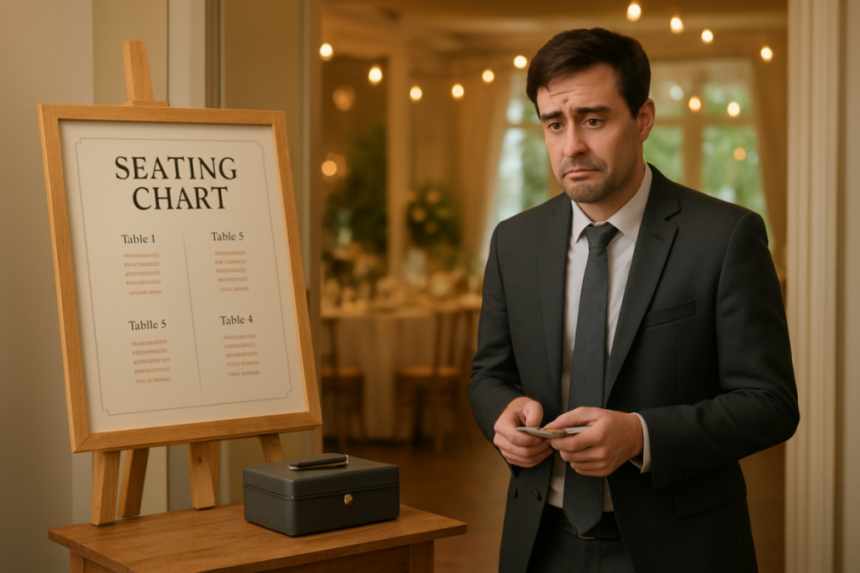
The seating plan at the entrance had prices on it — literal prices, cash or QR code, with the front tables sold like concert tiers and grandma's table listed as 'value'.
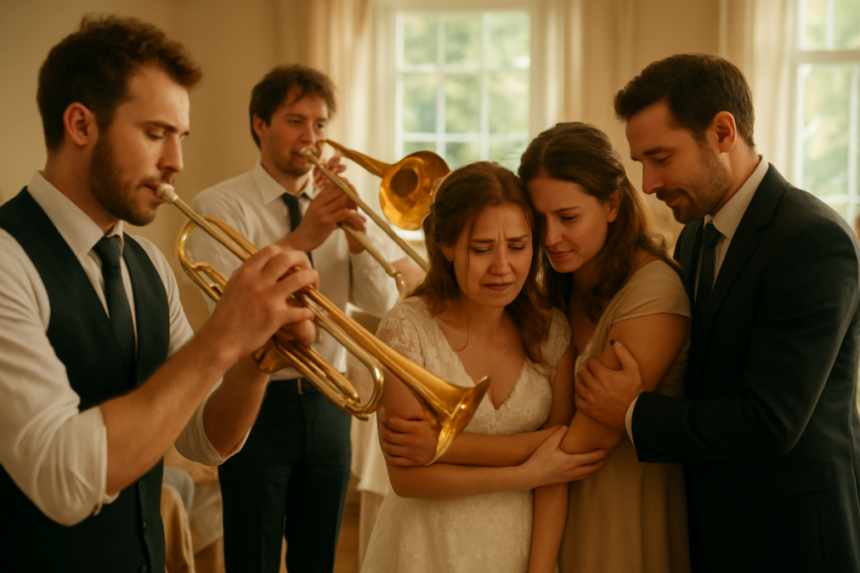
Four sentences into the toast, we realised the best man wasn't telling an embarrassing anecdote — he was, in front of two hundred guests, resigning from the secret he'd kept.
The invitation's 'colour assignments' seemed whimsical until we cracked the code at the reception — guests had been colour-coded by income bracket, gold nearest the couple.

When the celebrant asked for objections — the couple had begged him not to — the groom's ex stood up, opened a laptop, and asked where the projector was.
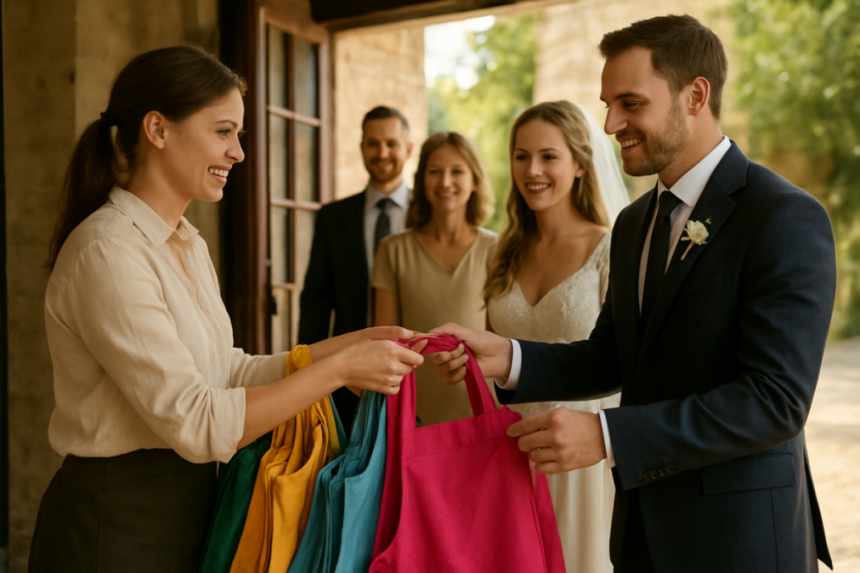
Two hours before a 150-guest reception, the catering company's phone was disconnected, their premises empty — so the guests, led by three aunties, cooked the wedding dinner themselves.
Ten days after the wedding, every guest received an itemised bill — my 'plate, chair rental and ambience share' came to $174, with late fees for non-payment.

A cousin dropped me from her wedding to save a seat, in a cruel little message. Three weeks before the date her venue fell through, and the only barn in the family was mine.
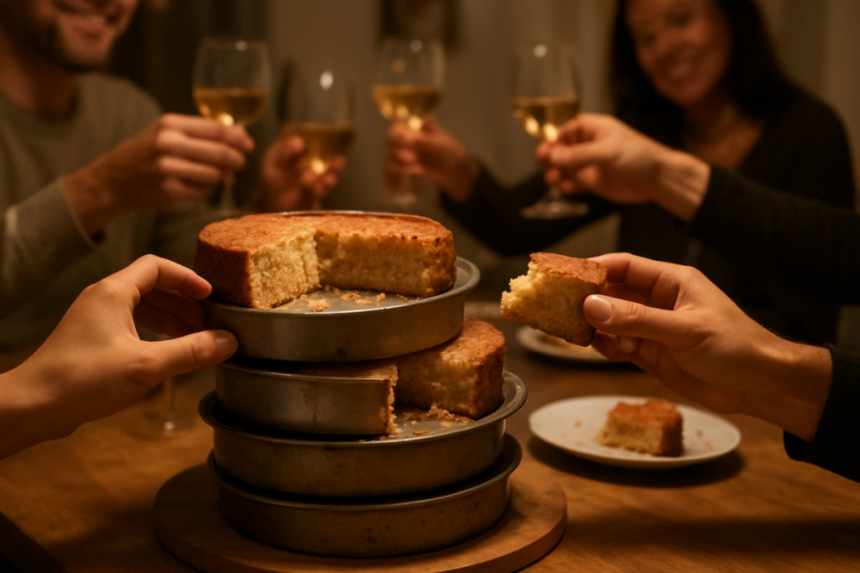
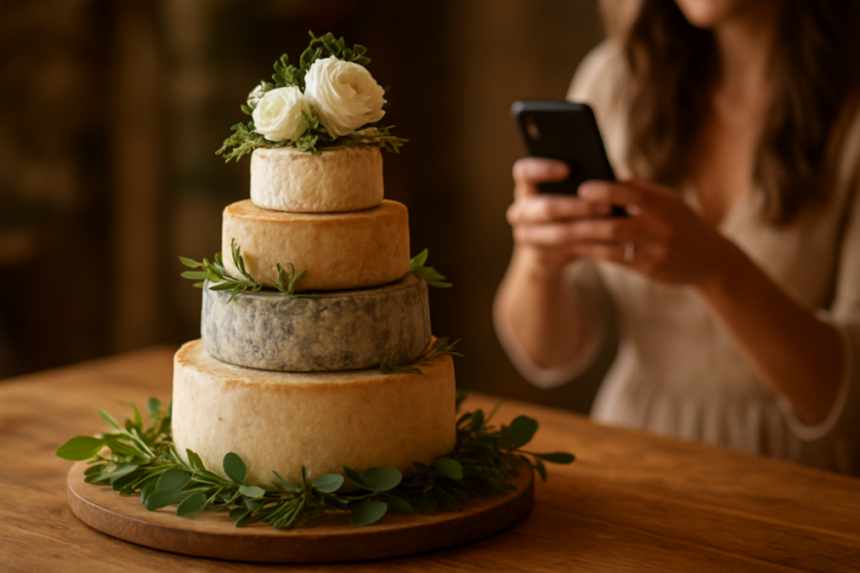
She brought a full three-tier cake. In a car. To someone else's wedding. And she asked the venue to put it on the cake table.
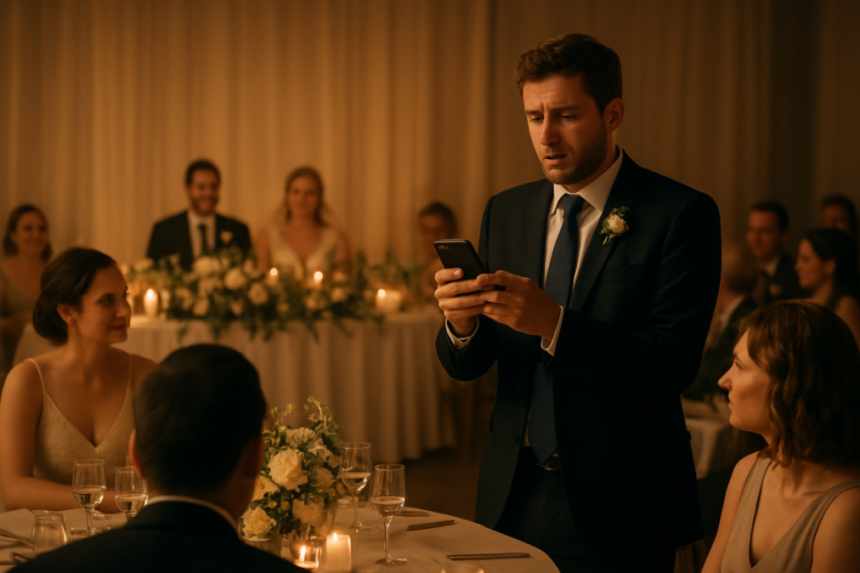
He had two drafts on his phone. He read the honest one. The room went silent, then the groom stood up and hugged him.
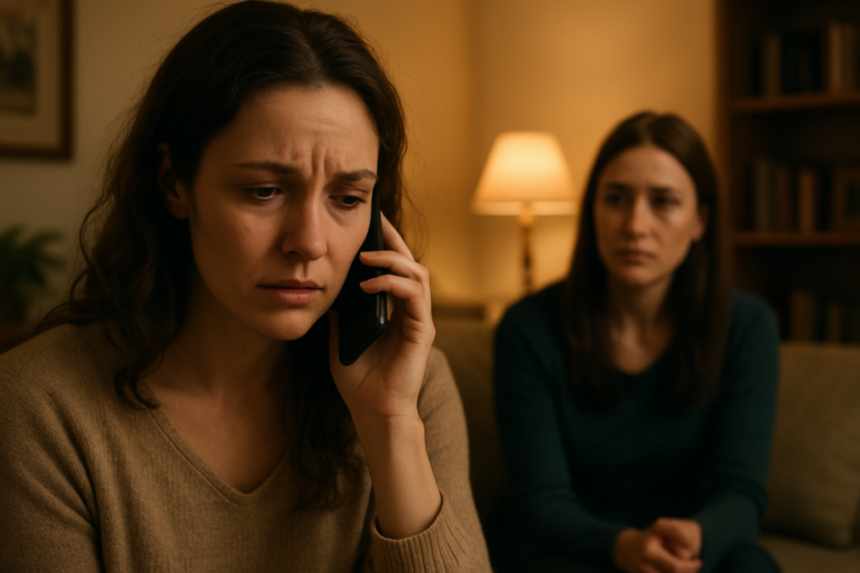
Four minutes. Two mentions of me, both wrong. And a ring, produced from her bag, at minute three.
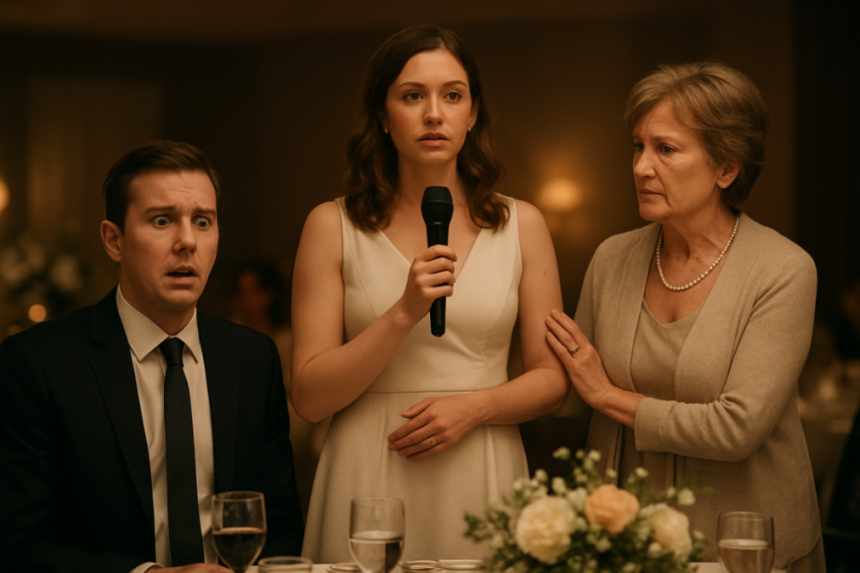
The maid of honor stood up, raised her glass, and confessed, into the microphone, that she and the groom had been together three weeks earlier. The couple was not yet legally married. They never became so.
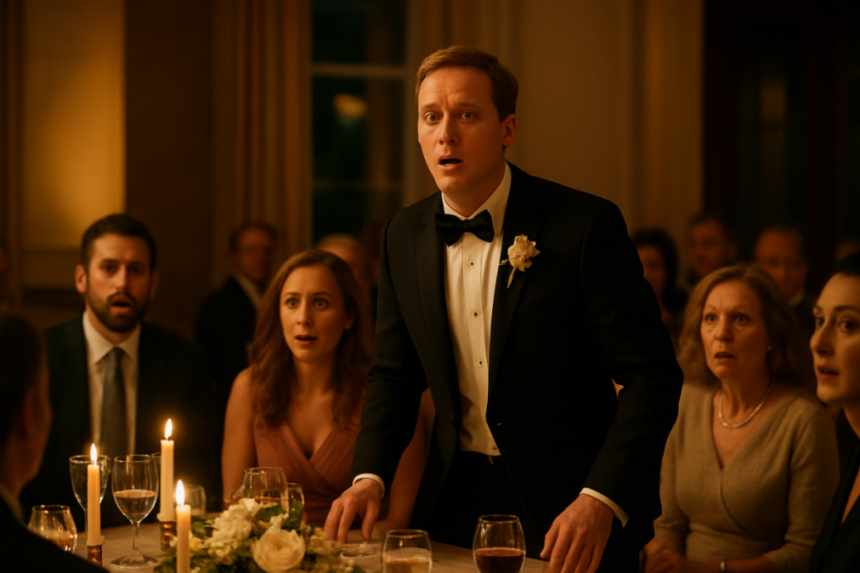
At my cousin's wedding the best man gave a beautiful, tearful toast to the groom and his lovely bride, and used the name of the groom's ex-girlfriend. Twice. Into the microphone.
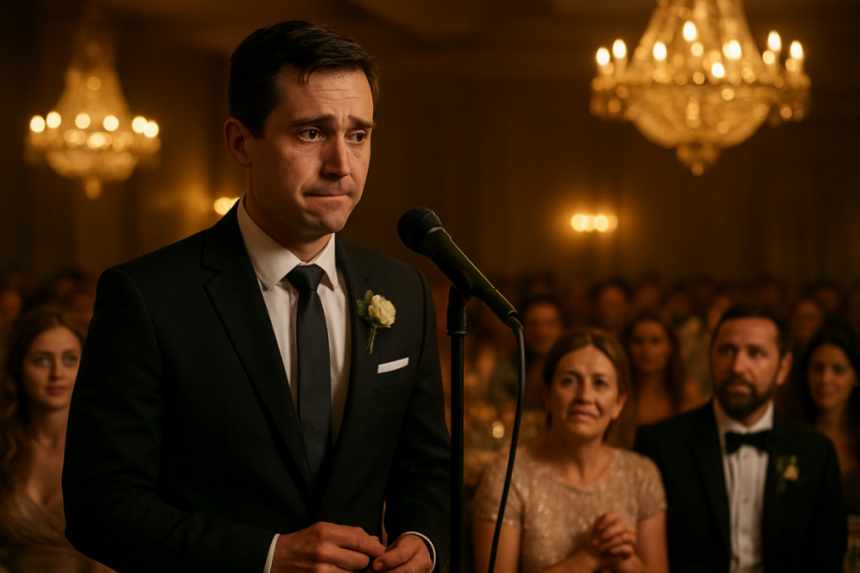
A cousin brought a date to the wedding. The date was the groom's ex-girlfriend, who spent the reception toasting loudly to "what could have been" until security walked her out mid-speech.
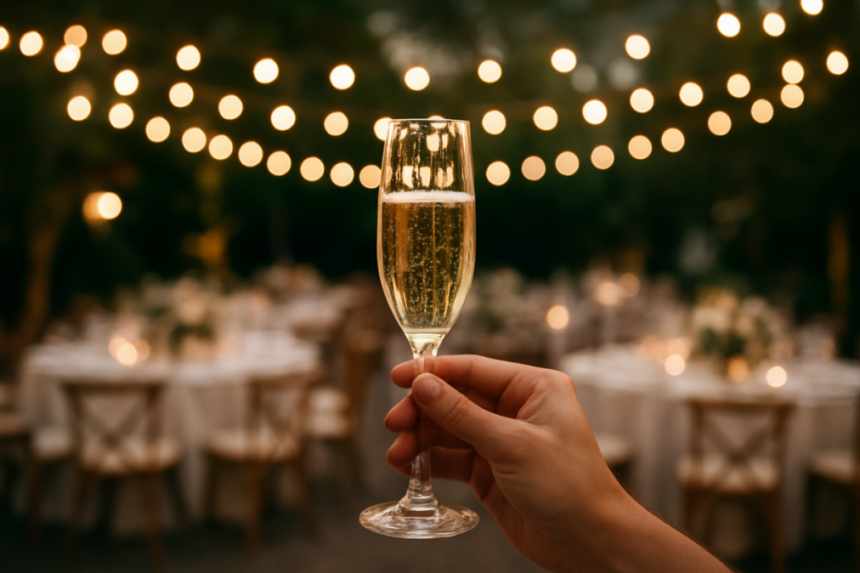
Rude wedding guests rarely think of themselves that way. Guests make good witnesses for an unglamorous reason: they have nothing to organise and four hours to watch. The accounts collected here notice what the couple never saw — an argument conducted entirely in eyebrows during the readings, a vendor packing up ninety minutes early, an aunt quietly moving place cards before anyone sat down. Recurring complaints cluster around cost: cash bars announced after the invitations went out, dress codes that require a purchase, contributions buried in small print. Recurring pleasures cluster around collapse, because a ceremony that goes slightly wrong gets remembered fondly for thirty years while a flawless one blurs into every other.
Moments that were nobody's fault tend to be filed under embarrassing moments, while the genuine catastrophes sit in wedding horror stories. A wedding guest account is usually believed when it includes the dull details — the timings, the menu, the seating plan — because people inventing a story rarely bother with those. The vote turns on plausibility, not on how badly anyone behaved.
Each story is a first-person account submitted by a writer, and the reader jury votes on whether they believe it really happened. Some sound unbelievable, but real-life events can be surprisingly messy; part of the fun here is comparing your gut feeling with the jury results.
Big emotions, alcohol, long-standing family tensions, and money all collide on one high-pressure day, which can bring out the worst in certain relatives or plus-ones. The stories on this page show patterns—attention-seeking, entitlement, or simple poor planning—and the jury votes can help you see which explanations other readers find convincing.
Extreme cases are still the exception, but almost every large celebration has at least a few awkward or inconsiderate attendees. Reading through multiple accounts and their verdicts gives you a sense of how often these situations crop up and where they cross from ordinary mishaps into truly outrageous territory.
You can always decline an invitation politely if the costs, dress code, or rules feel unreasonable to you. The accounts here, along with how the jury leans, can offer perspective on what others see as normal versus over the line, which may help you decide how to respond.
Weddings are expensive, and some hosts respond by trying to pass costs directly to attendees, especially if they feel taken advantage of by last-minute changes. The reader stories explore how that plays out in real life, and the jury votes often reflect whether people think these fees are practical or just tacky.
Children at big events can be unpredictable—boredom, excitement, and sugar are a volatile mix—so mishaps like runaway ring bearers and cake raids do happen. Browsing these accounts (and seeing which ones readers believe) can help you distinguish between normal kid chaos and truly avoidable disasters.
Look for specific details, consistent timelines, and plausible motives for everyone involved; stories that lack these can feel more like fiction. On this site, checking the jury’s real-or-not vote and the comments on each account adds another layer of scrutiny you can compare against your own judgment.
The recurring themes in these stories—unclear expectations, poor communication, and boundary issues—are warning signs you can plan around. Noticing which situations the jury tends to believe and sympathize with can guide you on where to set firmer rules and what to spell out clearly before the big day.