
Mile 47 Wants You to Slow Down Certified True by readers
Every long-haul driver on our route knows mile 47: your radio fills with a calm voice saying 'easy now, easy' — and the three who ignored it are the reason the rest of us obey.

Every long-haul driver on our route knows mile 47: your radio fills with a calm voice saying 'easy now, easy' — and the three who ignored it are the reason the rest of us obey.
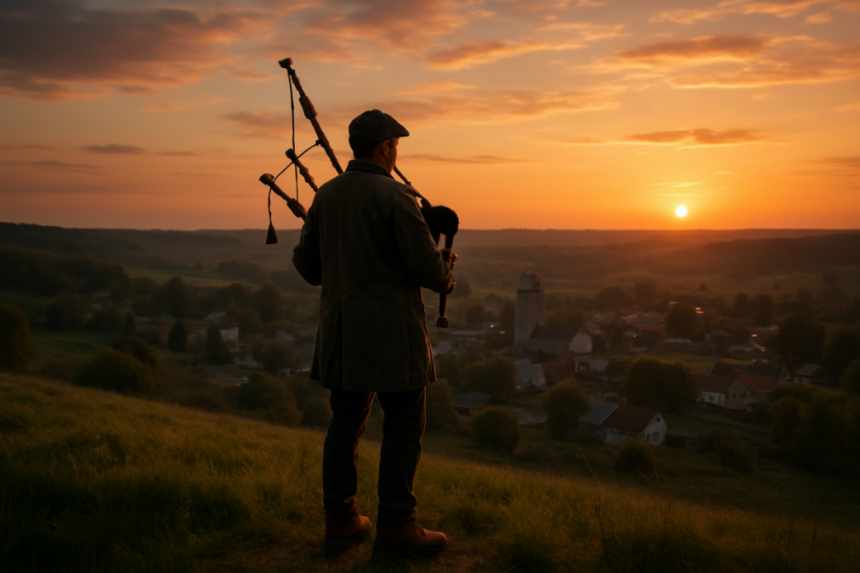
Every evening at six, a man on the hill behind our small town plays the bagpipes. For two years the whole town tried to make him stop. I am the only one who ever asked him why.
Three weeks after Mum died, she walked me through her garden in a dream, tapped the third brick under the kitchen window, and said 'your father's stubbornness is in there.'

We spent an evening at a village harvest fair — rides, cider, a band — and returned next morning to an empty field and neighbours who said the fair ended years ago.

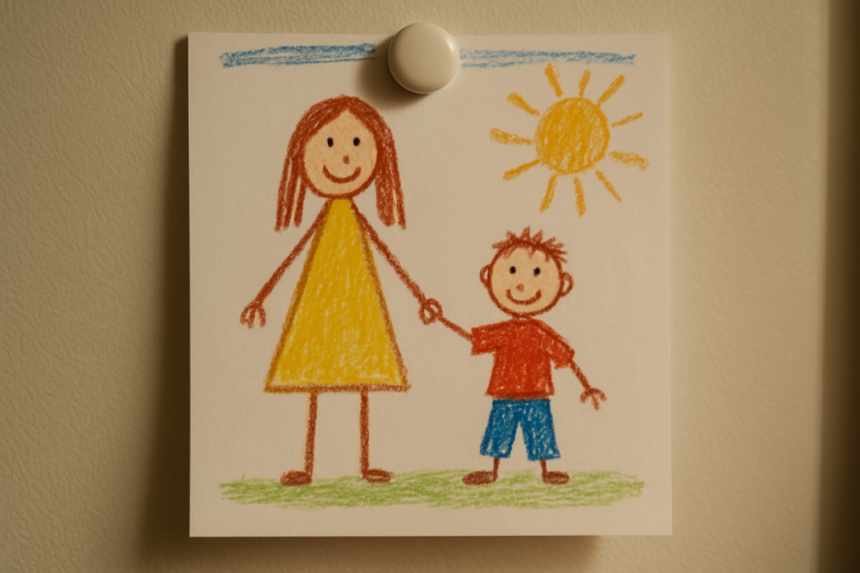
Every family drawing my daughter made had one extra girl in it — always older, always in yellow. When her teacher asked who it was, my daughter's answer sent me to my mother.
A man none of us had ever seen stopped at our table, greeted each of us by name — including the nickname only my late father used — and thanked us 'for Tuesday.'

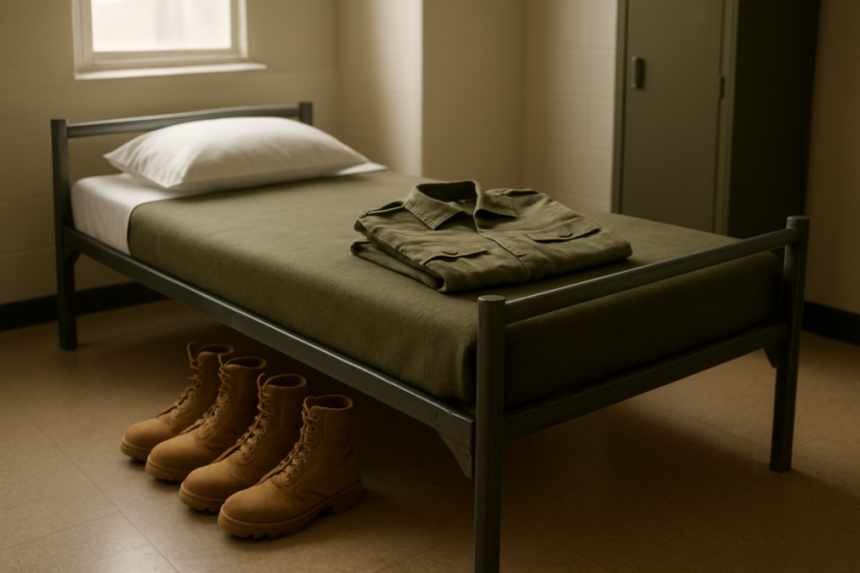
For three weeks on deployment, I would come back from the midnight radio shift to find my rack made tighter than I ever could and my boots squared away. Nobody would admit to it. The answer, when it came, undid me.
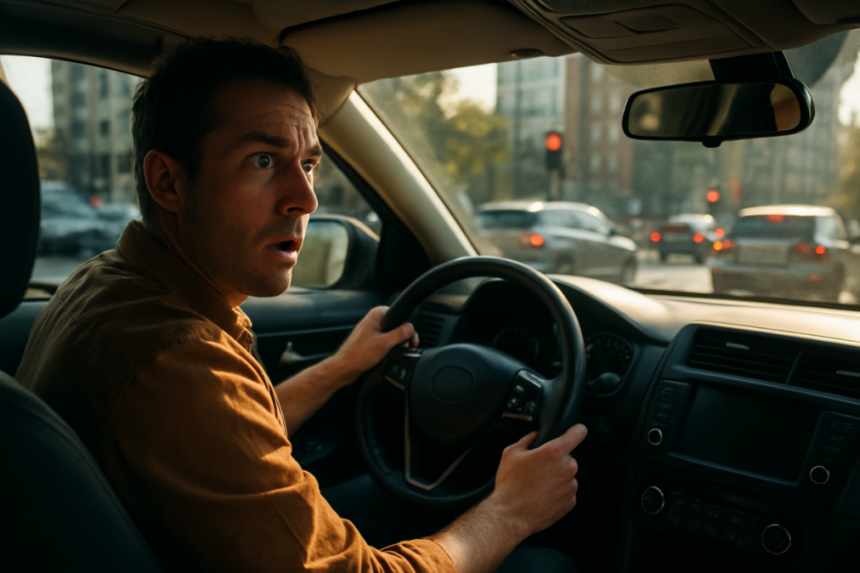
Halfway to work, a sentence arrived in my head like an order — turn around, check on your brother. I broke every traffic rule; his kitchen was already full of gas.
I worked a furniture chain's returns hotline, and one gray afternoon a man called and calmly said he needed to return his wife. It was not the call I was trained for.

On a marked forest loop I know well, the light jumped from noon to dusk between two familiar trail posts, and my fitness tracker recorded five motionless hours I never lived.

My family swears that before I had proper words I hummed a song in a tongue none of us spoke, and cried for a woman I called by a name that turned out to be real. This is what they told me, and what I found.

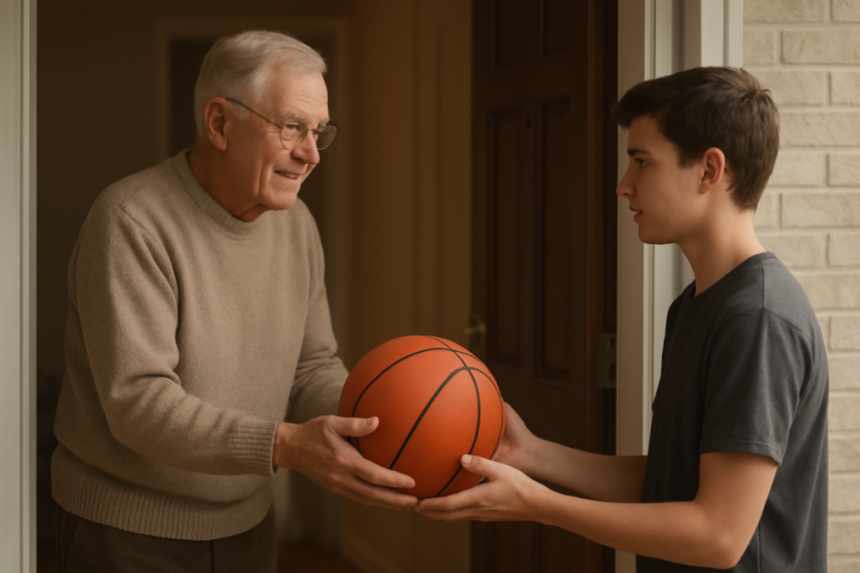
A single bouncing basketball, on concrete, directly under my bedroom window, every night for eight months. This is the story of how I nearly lost my mind and what I did about it.
Grandma had a name and a ritual for the thing that sits on your chest at night. I laughed at her salt and her scissors. I am not laughing anymore. It found my room.

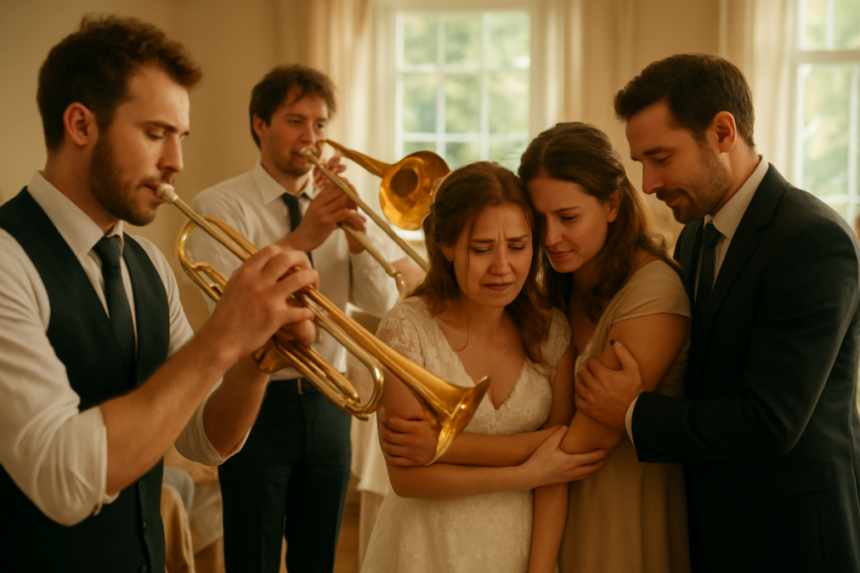
Four sentences into the toast, we realised the best man wasn't telling an embarrassing anecdote — he was, in front of two hundred guests, resigning from the secret he'd kept.
I collect old typewriters. One, from a house-clearance, types a line of its own after I stop — always continuing my sentence, always in a voice that isn't mine, always about a woman waiting for a letter.

Driving home, I 'remembered' the next three songs before the DJ played them — obscure tracks, in order, on live radio, with the exact botched segue between two of them.

Cups fly, books drop, doors slam all over the house — but the activity has a favourite: my brother's old armchair, which nothing will keep occupied and nothing will let us throw away.

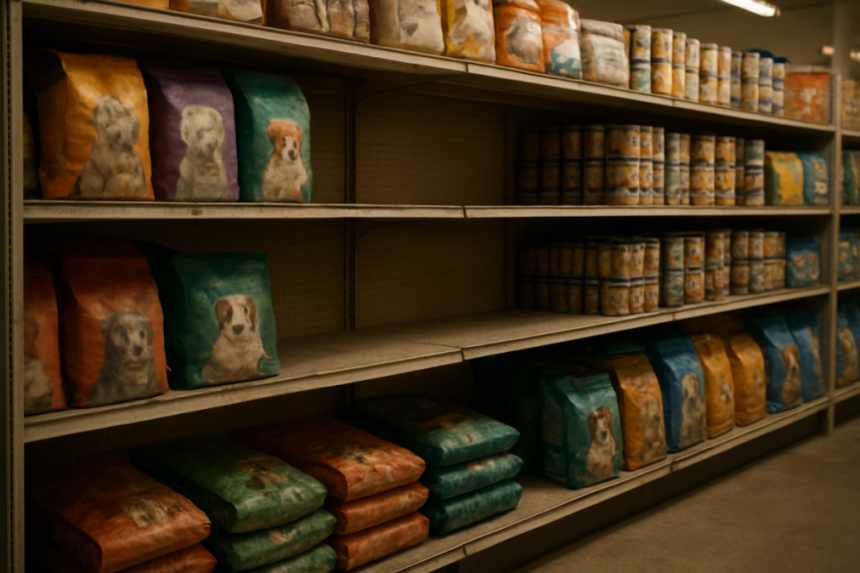
I bought a green desk lamp in a supermarket aisle that, according to the staff, the floor plan and my next visit, has never been anything but shelving for cat food.
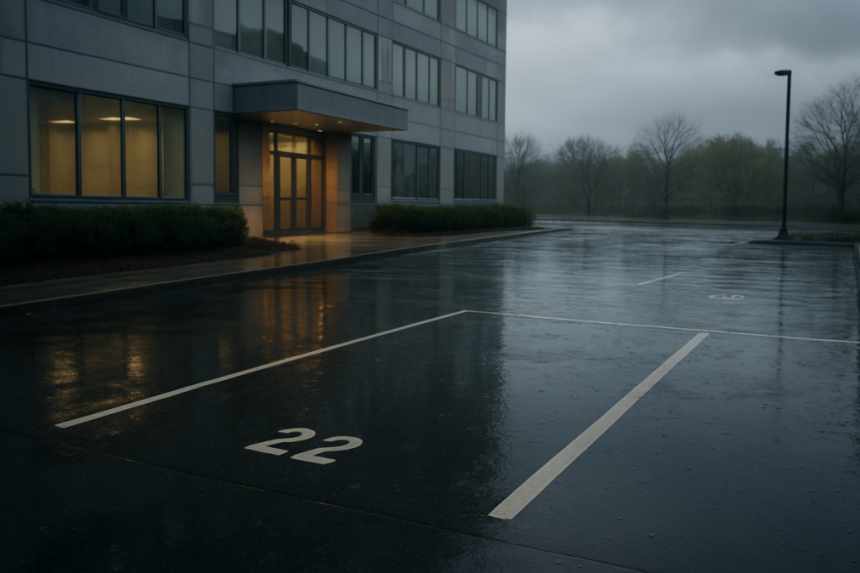
A twenty-year-old summer intern built a dashboard that made my whole team look redundant. Three weeks later four of us were gone and he had a full-time offer and my parking spot.
My grandmother and I could hold whole conversations without speaking much. One rainy afternoon it went further than either of us had ever admitted, and it left me quietly changed.