
The Bagpiper of Route 9
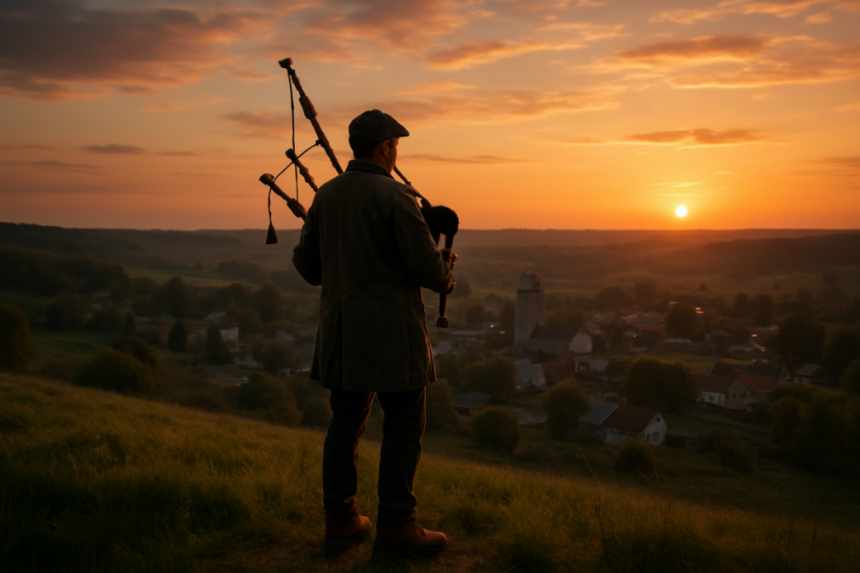
Every evening at six, a man on the hill behind our small town plays the bagpipes. For two years the whole town tried to make him stop. I am the only one who ever asked him why.
* AI Illustration
First impression: judge by the title and the picture alone — you get the real verdict after reading.
Swear It Happened — CASE FILE #484
60% BELIEVED
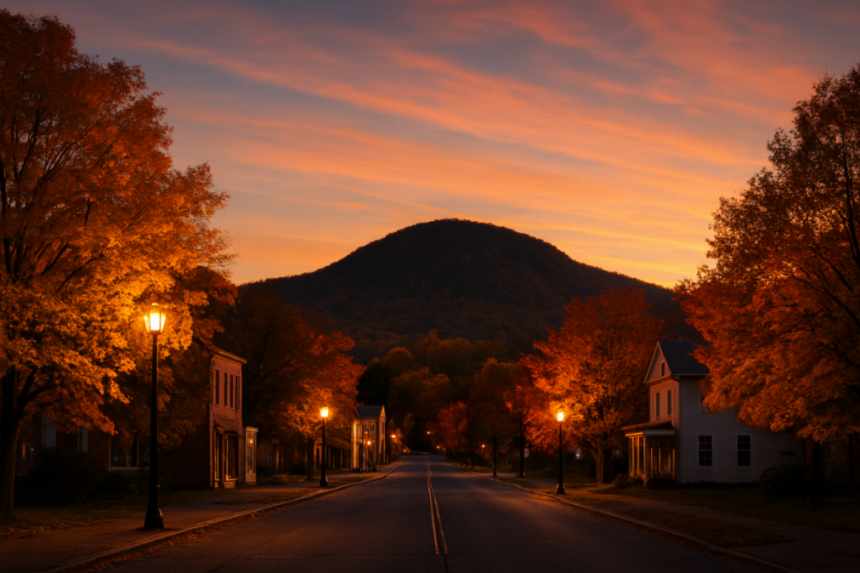
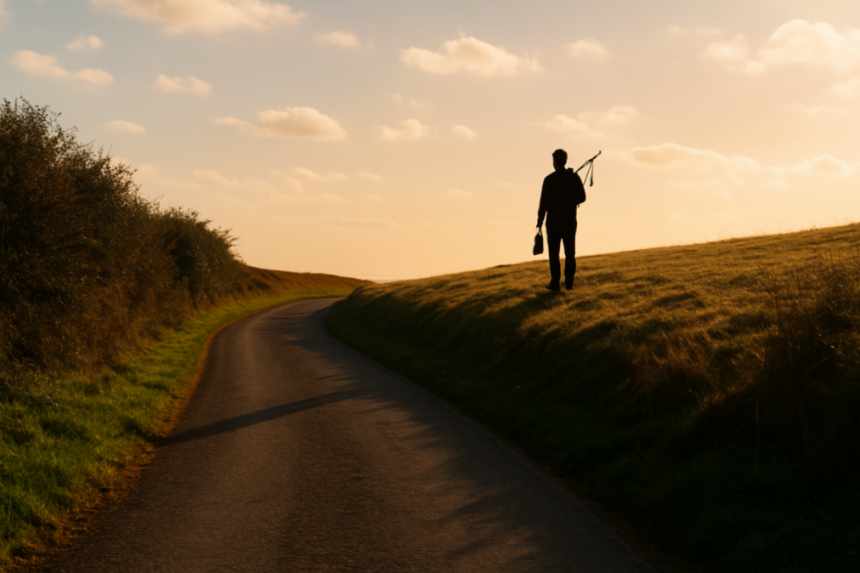
He appeared the autumn after old Mr. Halloran died. Every evening at six o'clock sharp, from the top of Cutler's Hill behind Main Street, bagpipes. One tune, then another, then a third, always ending with a slow lament that carried down over the whole valley and bounced off the grain elevator and reached, it seemed, into the fillings of your teeth. In a small town there is nowhere for sound to hide. The hill was a natural amplifier and the whole place was its audience whether it wanted to be or not.
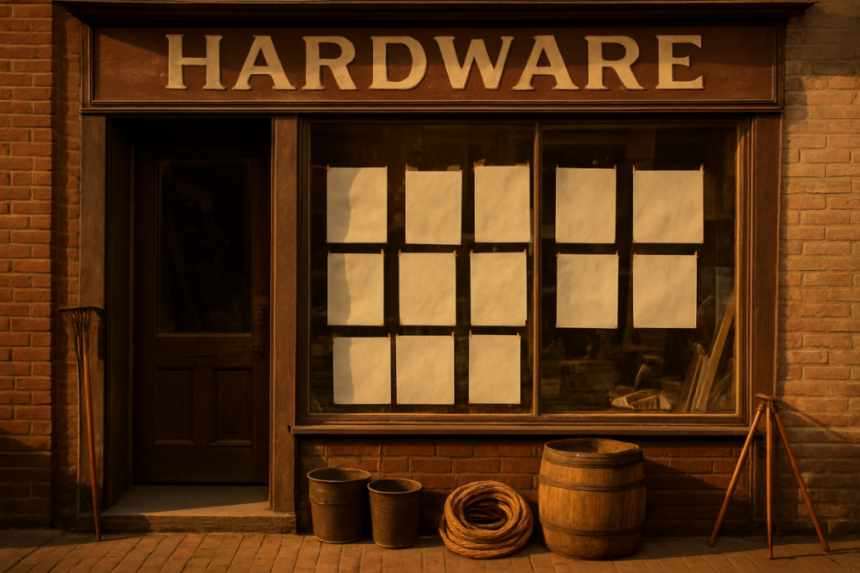
At first people found it charming. Small towns love a character. But charm has a half-life, and by the second winter the bagpipes had curdled from quaint to grievance. The diner had opinions. The church had opinions. There was a petition, which in a town of nine hundred is a serious document, and it circulated at the hardware store and gathered close to two hundred signatures demanding that somebody do something about the noise on the hill.
The trouble was procedural: Cutler's Hill was not really anyone's land, or was technically several people's land, or was the town's, depending on which old-timer you asked, and so no one could quite figure out who had the standing to stop a man from playing bagpipes on it. The sheriff drove up there once, apparently, and came back down without saying much, and would not be drawn on it afterward, which only deepened the mystery.
I was new to town, three years in, which in local terms made me practically a tourist, and maybe that is why I did the thing no one born there would do. One evening I walked up Cutler's Hill to ask the bagpiper to his face what he thought he was doing to all of us.
He was younger than I expected, maybe forty, in work boots and a canvas coat, no kilt, no costume, just a man and a set of pipes and a thermos. He stopped when he saw me and looked genuinely worried, like he had been expecting this visit for two years and dreading it.
He told me his name and it meant nothing to me, and then he told me the rest. He had grown up in the town and left it young and badly, on terrible terms with his father, and had spent his twenties and thirties somewhere far away not speaking to the man. His father had learned the pipes in the army and used to play them, poorly, in the backyard, to everyone's embarrassment. And then the father had gotten sick, quickly, and the son had come home too late -- he made the drive in time to sit by the bed but not in time for anything like a real conversation. His father died the same autumn the bagpipes started. His father, it turned out, was a friend of old Mr. Halloran, which is why the timing had confused everyone.
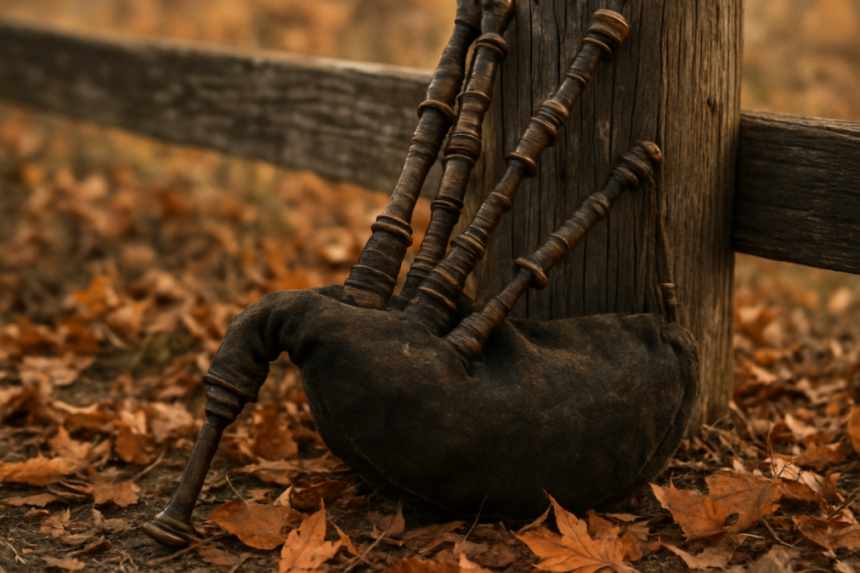
He was not playing to torment the town. He was playing because it was the only apology he had left, and because his father's pipes needed hands, and because a hilltop over the whole valley felt like the closest he could get to being heard by a man who could no longer hear him. Six o'clock, he said, was when his father used to come in from the fields.
I did not tell the town all of that. I told them enough. I said his name, said whose son he was, and something shifted the way it does in small places -- half of them had known the father, and a man playing his dead father's pipes on a hill is a thing a small town understands in its bones, even when it is annoying. The petition quietly died. Nobody signed anything after that.
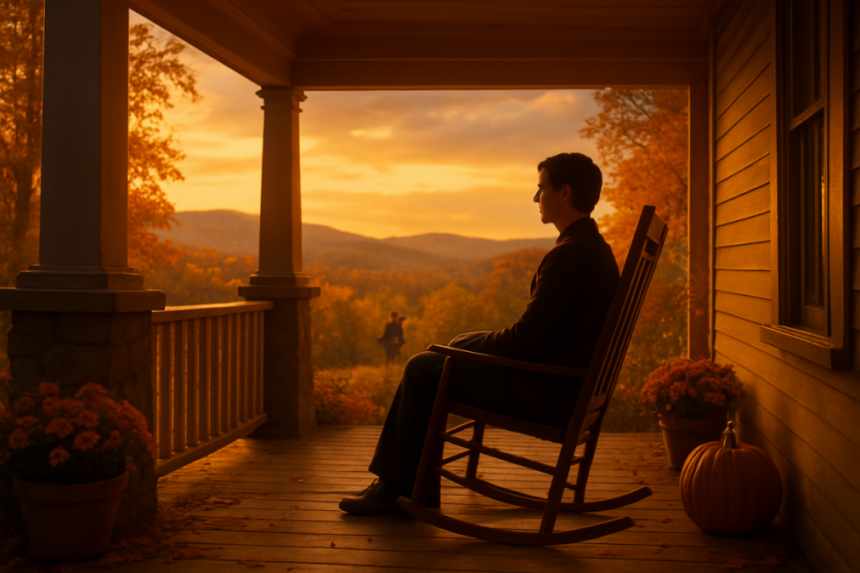
He still plays. Six o'clock, most evenings, that same slow lament rolling down over the valley. I hear it from my porch. I do not find it beautiful, exactly -- bagpipes are bagpipes -- but I have stopped wishing it would stop. In a town this small, you learn that most of the noise people make is just grief that has not found any quieter shape. Ours happens to come with a drone and a set of reeds, at six o'clock, from the top of the hill.

AI illustrations. Please judge the story itself. About AI images.
Filed by AI — launch archive.
Before you peek: what share of readers believes this story?
50%
60% of readers believe this story
Total verdict votes: 132
Guess first! What other readers decided is hidden until you cast your own verdict above — vote True, Fake or Not sure to reveal the community score.
Changed your mind? Read the strongest arguments of the other camp below. If they convinced you — change your verdict (once).
Your new verdict:
Why did you vote that way? Pick up to two:
Noted — thank you, detective.
My case notes (private — stored only in this browser)
Saved in this browser.
True or Fake? — play the detective
How it works: cast your True/Fake verdict above and see whether you matched the reader majority. Then hit "Next case" for a random story and keep your streak going. Solve cases to climb the detective ranks — score and rank are kept on this device only.
Tip: highlight any sentence of the story with your mouse or finger — a small share popup will appear to post that exact quote (with a link back to the story) to X, Facebook, Threads or Reddit.
Something similar happened to you? Tell your version — the jury is waiting. Tell your story
Keep investigating
- More Small Towns cases
- More Noisy Neighbors cases
- A case the jury believes: Every Night at Eleven, the Basketball Started
- A case the jury believes: My Neighbor's Teenager Started a Band. In the Garage. Under My Bedroom.
- A case the jury believes: The Rooster, the Cul-de-Sac, and the Secret Everyone Was Keeping
- The full Neighbor Stories archive
- Cases the jury cannot settle
Comments (0)
Comments here are case materials: pick a role — ask the author a question, or file your evidence FOR or AGAINST the story — and it lands in the right column. Upvote the sharpest comments: the best one is pinned on top as the Top Detective Comment. Questions get answered by the story's author in person — look for the AUTHOR badge.
No comments yet. Be the first!