The Message in the Steam on the Mirror
Every morning for a week after my sister died, the same three words appeared in the steam on my bathroom mirror as I showered — in her handwriting, which loops the way mine never has.

Every morning for a week after my sister died, the same three words appeared in the steam on my bathroom mirror as I showered — in her handwriting, which loops the way mine never has.
Our twins invented a private language, as twins do. But the baby monitor caught them using it at night to talk to a third voice — an adult voice, in the same language, from the empty half of the room.
Reviewing my own doorbell camera after a bad feeling, I found six nights of footage: a man standing motionless in my garden at 3 a.m., facing the house — and on two nights, facing the bedroom I was in.
Reviewing the professional wedding film, the couple counted a figure at the back of every wide shot — a woman in grey, in every scene, whom no guest, no family member, and no photographer can identify.
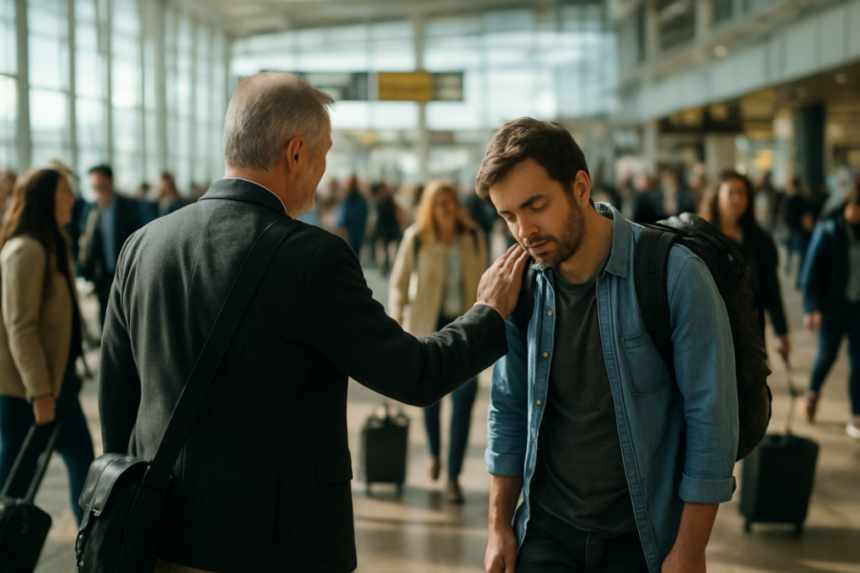
A man tapped my shoulder in a foreign airport, held out my late father's watch, and said 'you dropped this in Rome.' I had not been to Rome. I checked my wrist. The watch was on it.
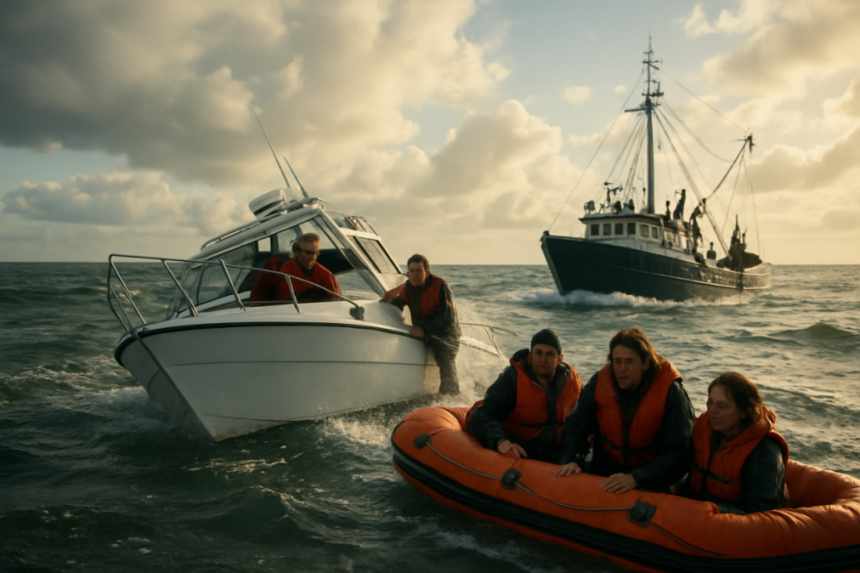
An overwhelming reluctance made me pull my kids off a booked pleasure-boat trip minutes before boarding, to their fury. The boat took on water an hour out. Everyone was rescued. We weren't aboard.
In a routine work meeting, I realised I'd sat through it before — every point, every interruption, Priyanka's spilled coffee. So I tested it: I predicted, in a note, the last thing my boss would say. Exactly right.
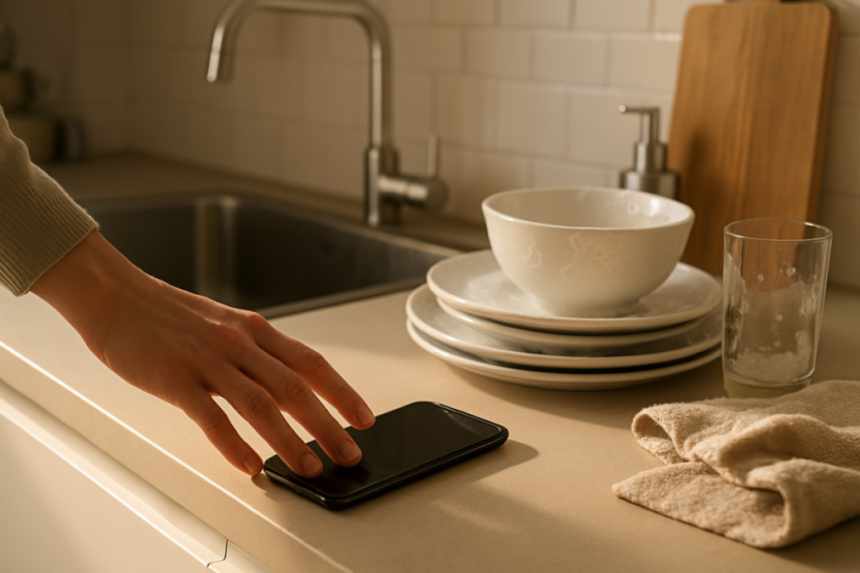
I picked up my silent phone, said 'Mum, what's wrong,' and held it to my ear for three seconds of nothing — and then it rang, and it was my mother, with exactly what was wrong.
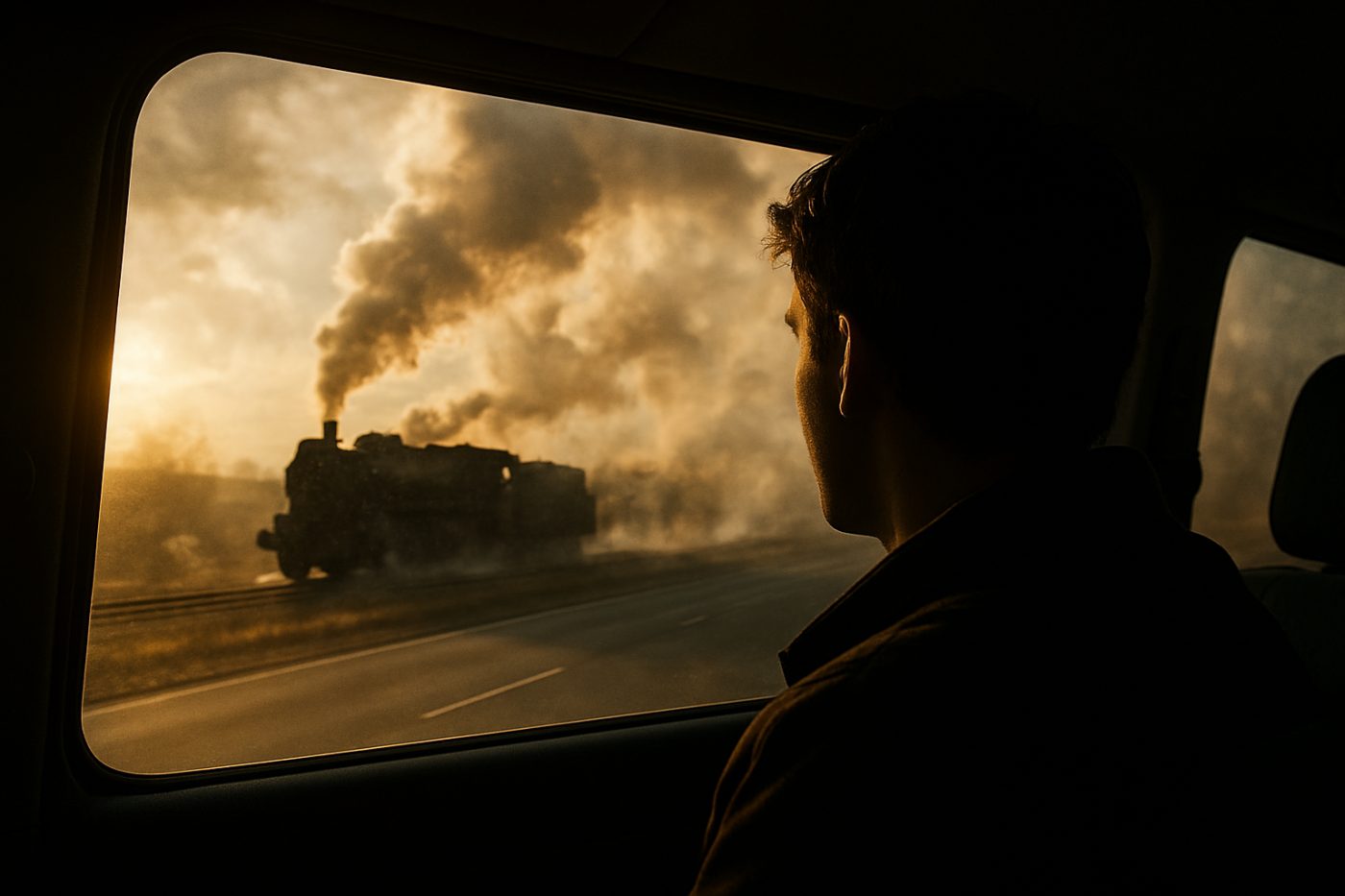
Stuck at a rural crossing, I watched a steam train thunder past, packed with passengers in overcoats, on a line the maps say was lifted for scrap sixty years ago.
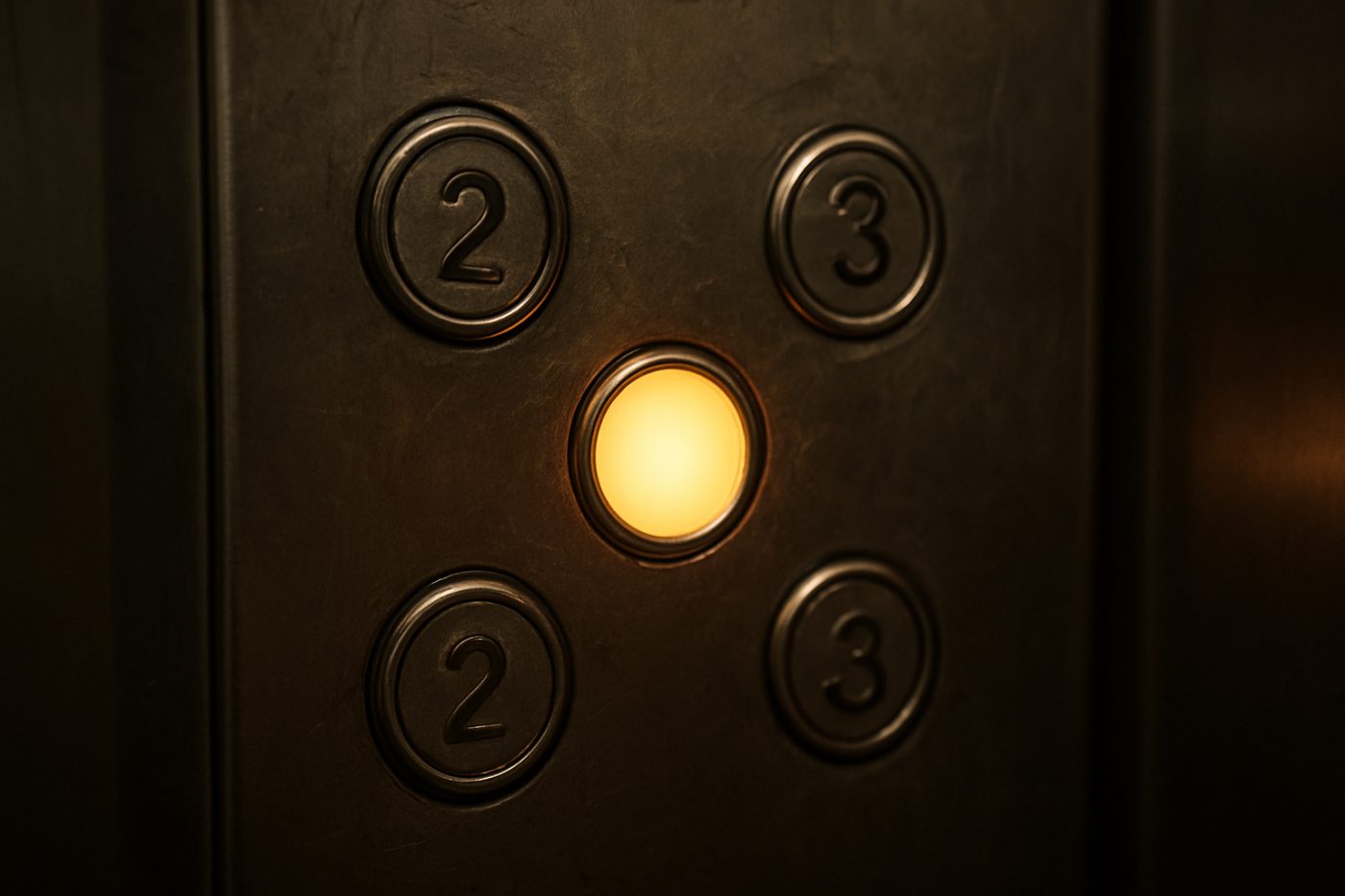
In a car park lift a blank button appeared between 2 and 3. I pressed it. The doors opened on a level of parked cars that were all, every one, mine.
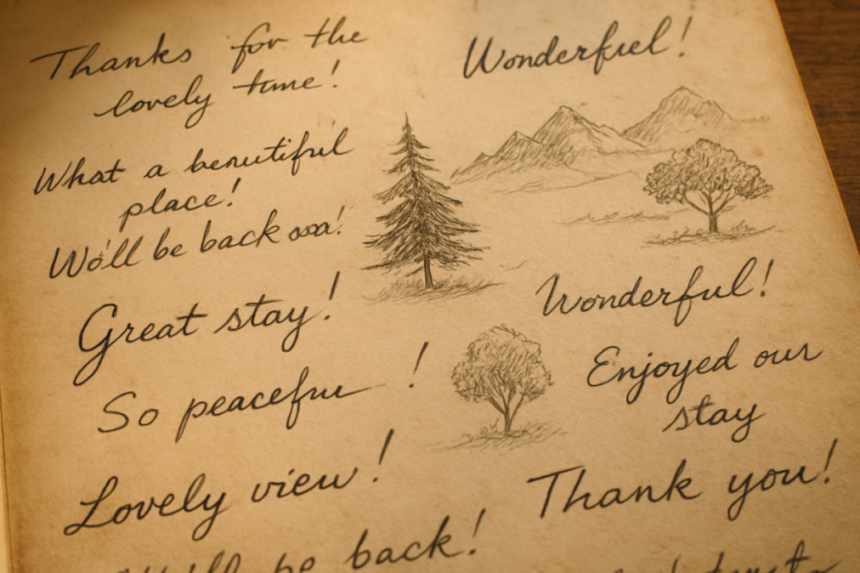
The remote cabin's guestbook went back years, entry after cheerful entry — except the dates. Every seventh booking was missing. No entry, a gap, and then the guests after them never mentioned the week before.
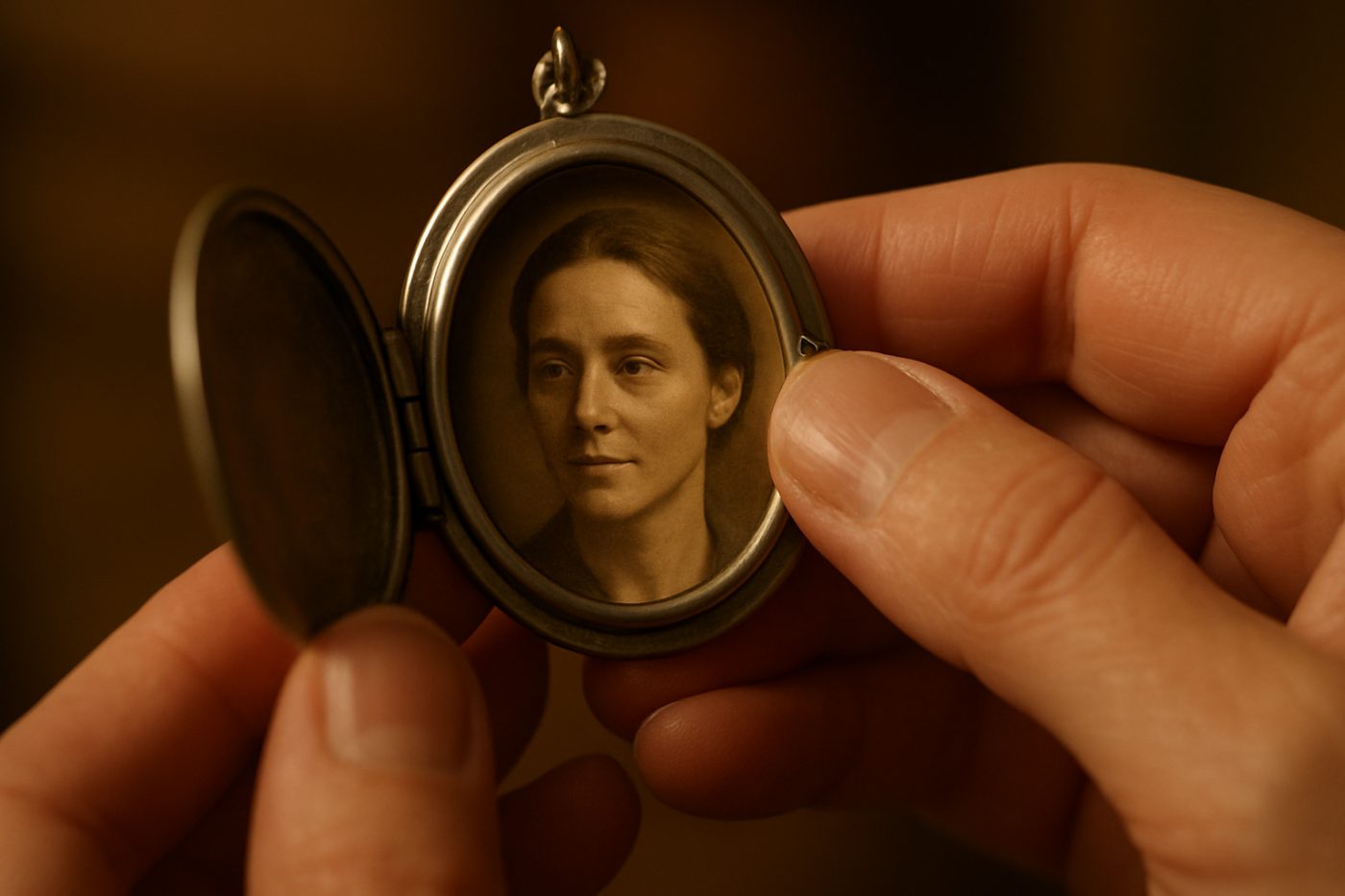
A Victorian mourning locket from a junk shop holds a tiny photograph of a young woman. Over the year I've owned it, the photograph has aged — she is now old, and looking, in the latest change, directly out at me.
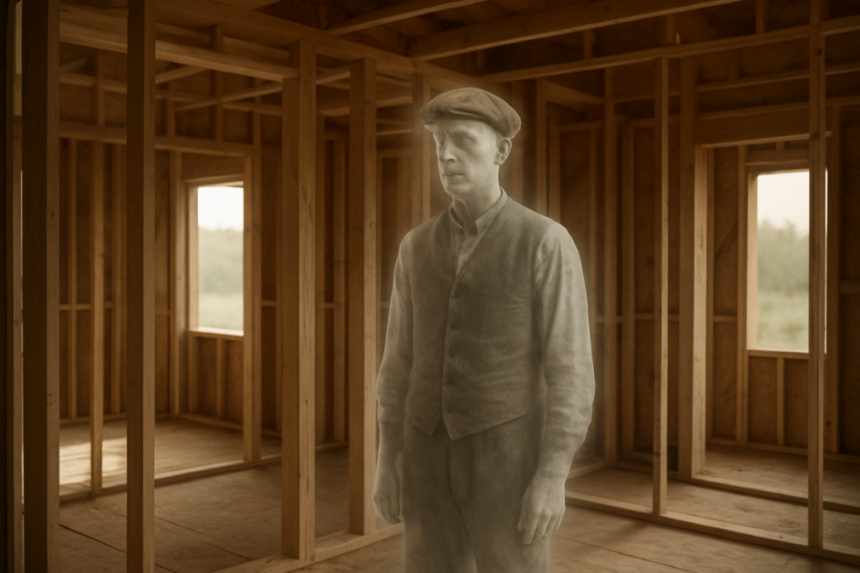
Forty households on a two-year-old estate, no history, clean plots. Yet a third of us — comparing notes at a barbecue — have dreamed the same man, in old-fashioned clothes, asking the same question about his orchard.
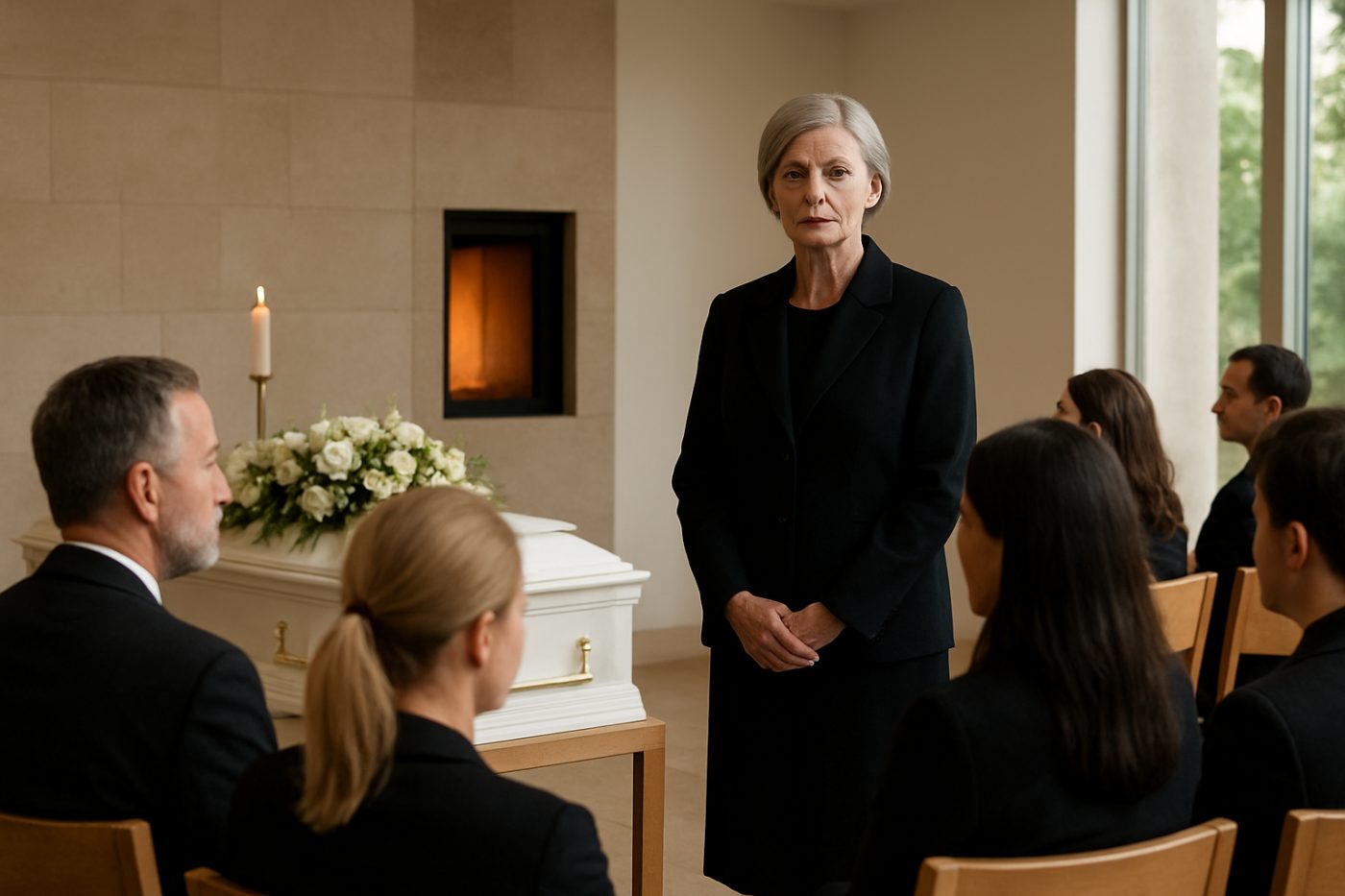
A stranger in black stood at the back of my father's funeral and left before the wake. A month later a DNA match and a solicitor's letter explained her: my father's first wife, and the family none of us knew he had.
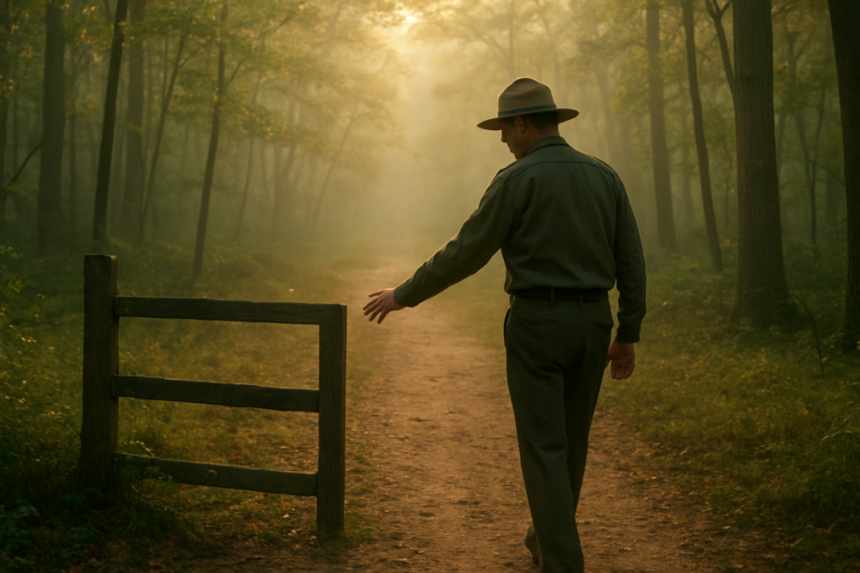
Fitting new wildlife cameras in the park, I reviewed a test clip: a ranger in the old uniform walking the dawn patrol route, checking a gate that was removed thirty years ago. The office had one photo of him. It matched.
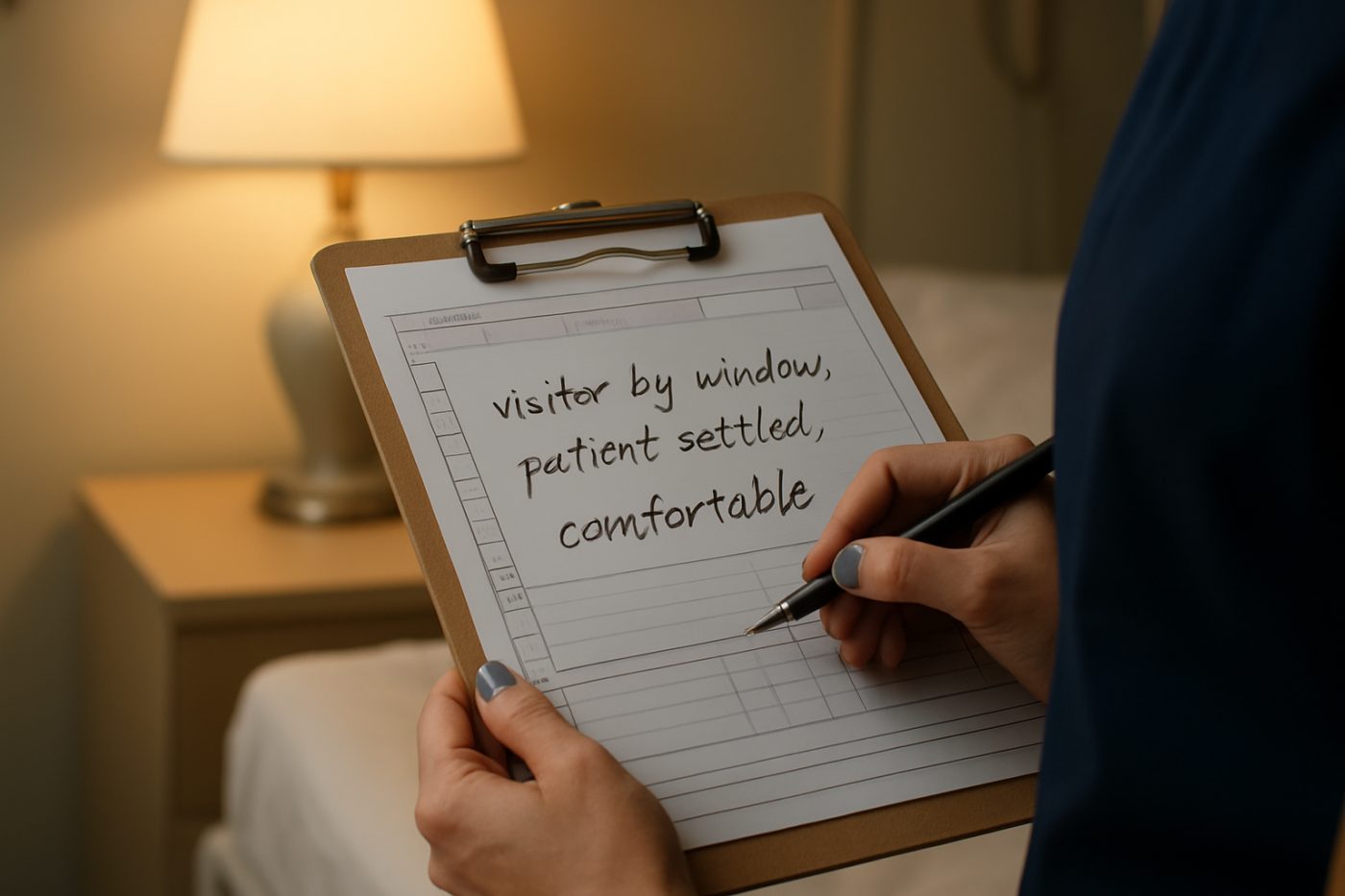
My dying father kept greeting his late wife by the window. To humour him a nurse 'noted the visitor' on his chart — and the ward's motion-activated night light, all week, kept switching on by that window at 3 a.m.
My five-year-old, terrified of a specific low droning sound, explained calmly one day: 'That's the planes that come at night. We go under the stairs. My other mum holds the little one.' We have no stairs. He has no siblings.
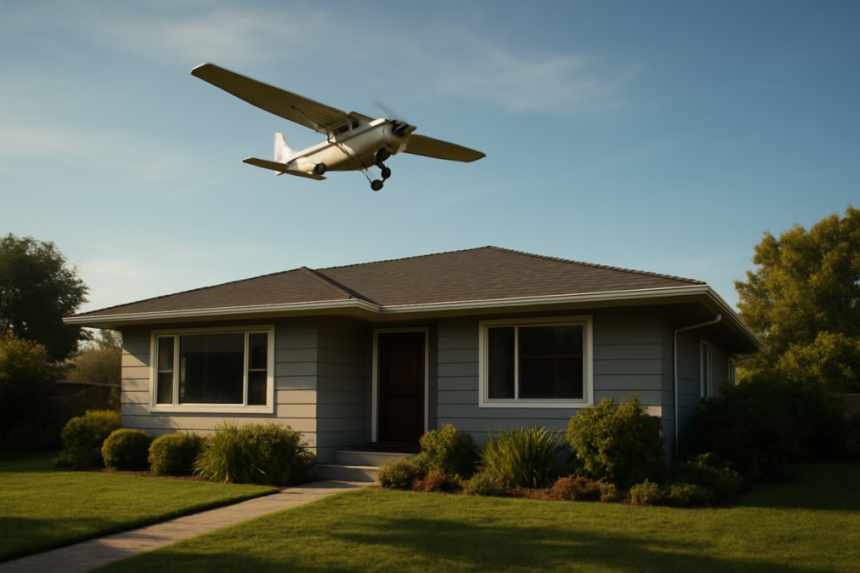
I picked up a soaked young man on a storm night. He said almost nothing except 'not the river road, the bridge is gone.' I took the long way. The river-road bridge had washed out an hour before.
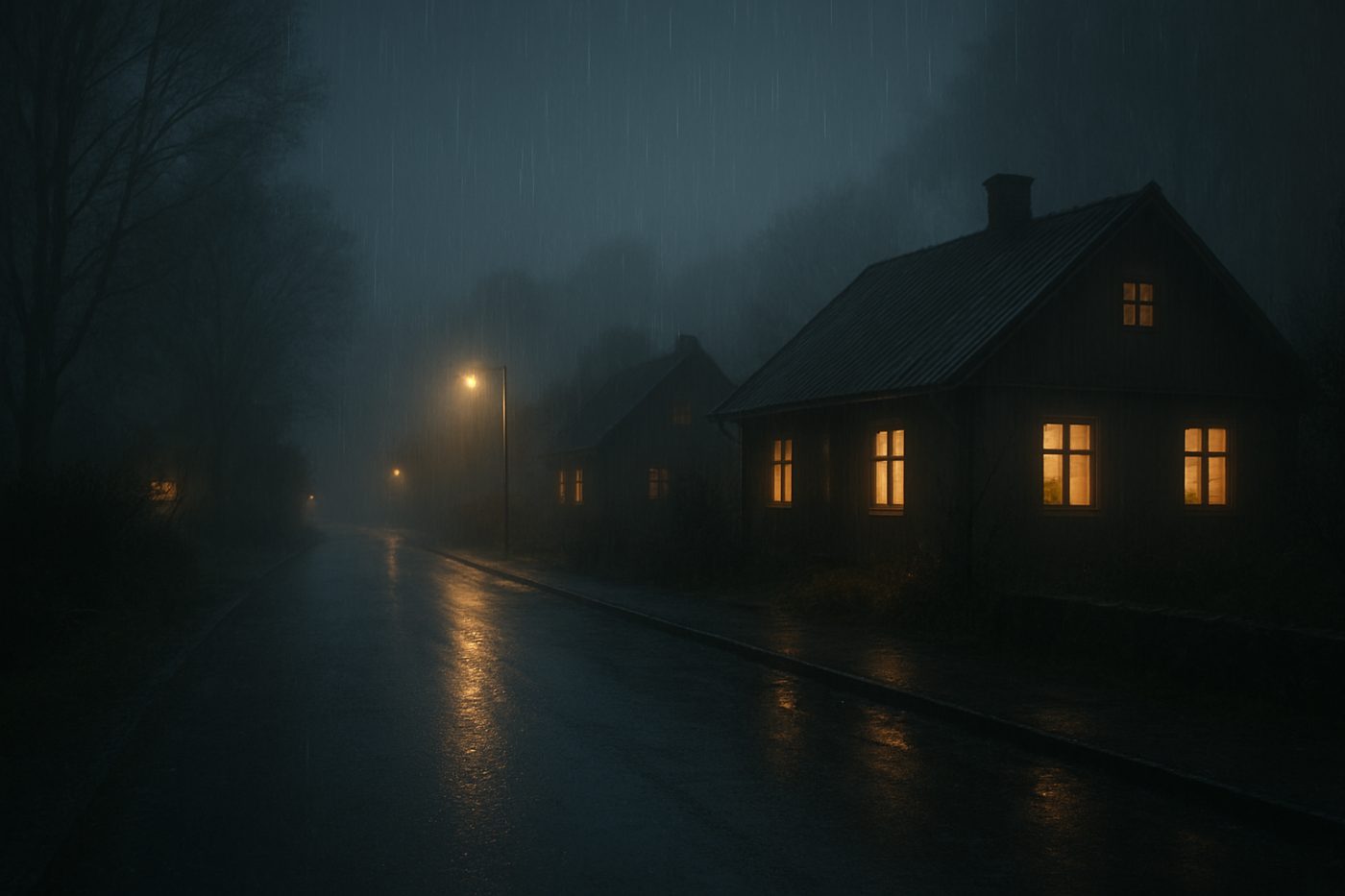
The bride's estranged family and the groom's estranged family were, unknown to the couple, the two halves of a decades-old village feud. The seating plan sat them alternately, boy-girl, like a fuse.
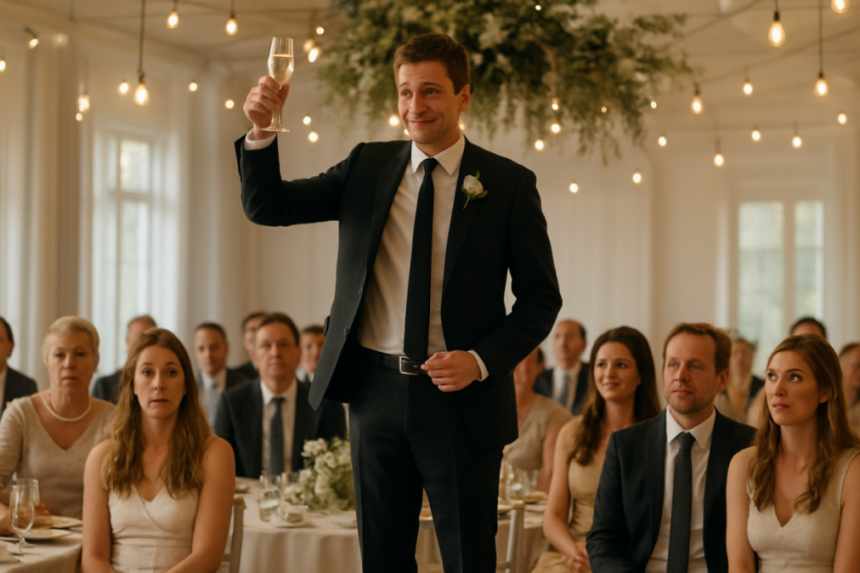
Visiting a war cemetery abroad, I got lost among thousands of identical stones and stopped at random to rest. The name in front of me was my own surname — my great-uncle, whose grave we'd never found.