The Caterer Evaporated at Noon Jury is out
Two hours before a 150-guest reception, the catering company's phone was disconnected, their premises empty — so the guests, led by three aunties, cooked the wedding dinner themselves.

Two hours before a 150-guest reception, the catering company's phone was disconnected, their premises empty — so the guests, led by three aunties, cooked the wedding dinner themselves.
One ring, at 03:00, twice a year. The rope is tied off. He has been told to ignore it. He does not ignore it.

I inherited my grandfather's pocket watch, stopped at his death for forty years. It started when I wore it — and every night at 4 a.m., for exactly one minute, the hands run backward.

A volunteer transcribing headstones photographed a name that is not on any record. Two days later a man in an old coat told her the spelling.
I booked a flight to San Ferro. There are two San Ferros, four hundred miles apart. I found out which one I was in when the friend meeting me at arrivals was not there and my phone map showed a coastline that should have been mountains.

My wife and I honeymooned in a tiny remote cabin. Ten years later, choosing a random anniversary getaway from hundreds of listings, we booked one we loved on sight — the same cabin, renamed, re-listed.

I was born with a round pucker on my back and a matching smooth patch on my chest, and I always knew something had gone through me. When I was small I described a snowy road and a truck, and years later a stranger's account matched it word for word.
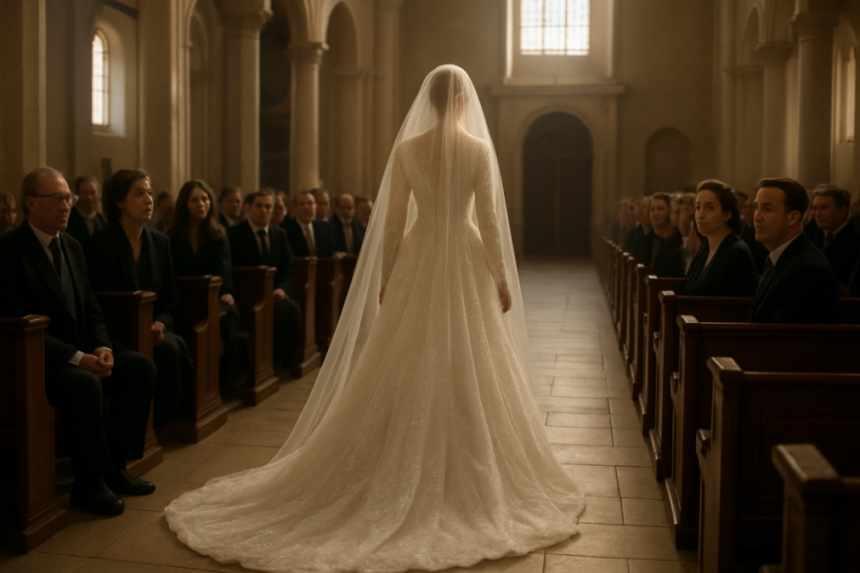
The groom's mother arrived at the ceremony in a full-length white gown with a train — a replica, we slowly realised, of the bride's own dress, sourced from a leaked fitting photo.
The dip in the duvet. The weight on the feet. The purring, which my wife heard first and which she did not tell me about for a year.
Alone in a warehouse night booth, I noticed a camera turning to follow me across the empty floor. No one was in the control room. Then it tilted down, toward my booth, and the intercom clicked on.
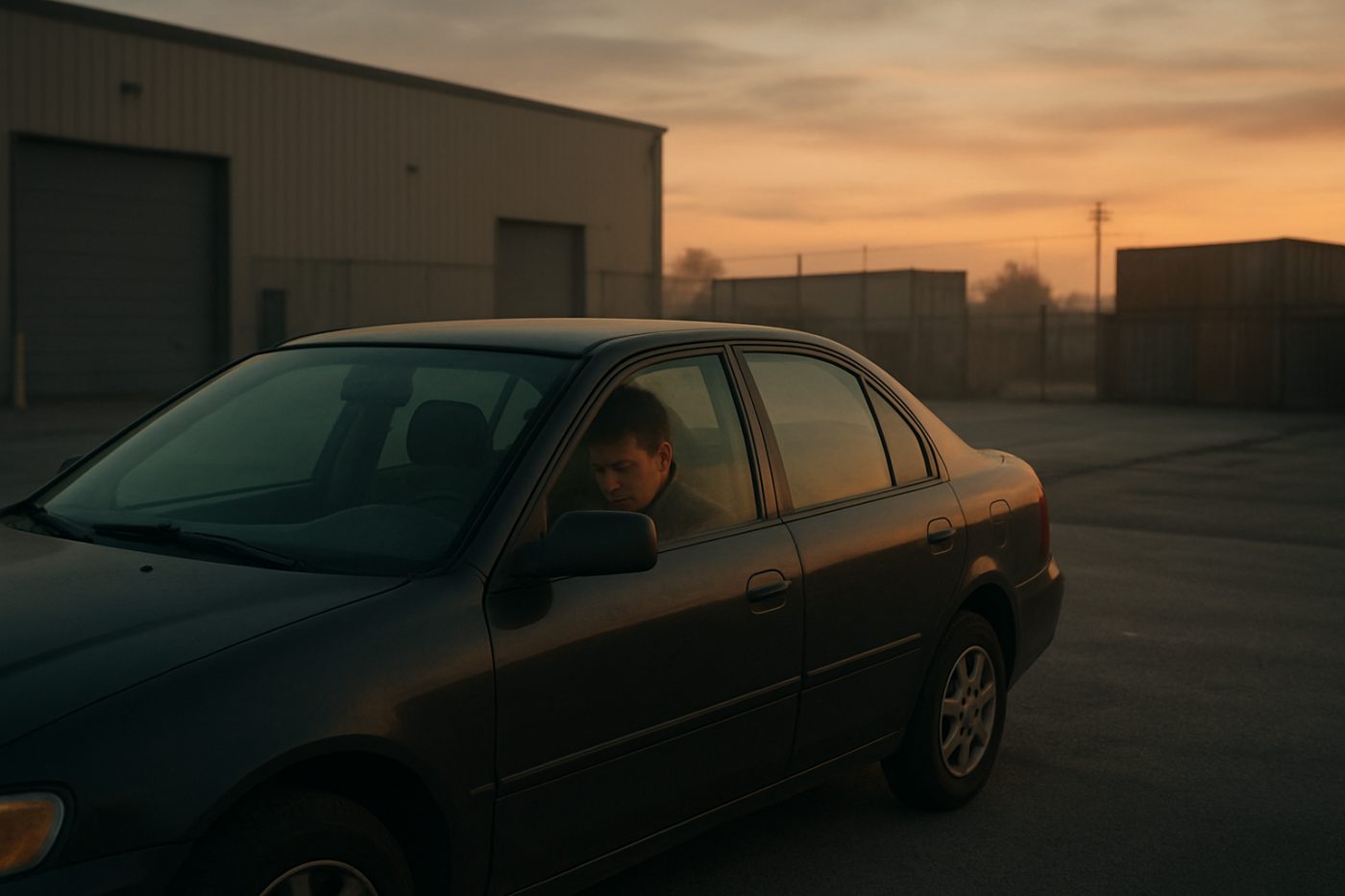
For three weeks on deployment, I would come back from the midnight radio shift to find my rack made tighter than I ever could and my boots squared away. Nobody would admit to it. The answer, when it came, undid me.
Same coat. Same bag. Twelve miles away. And, when I finally stopped, the same first sentence.
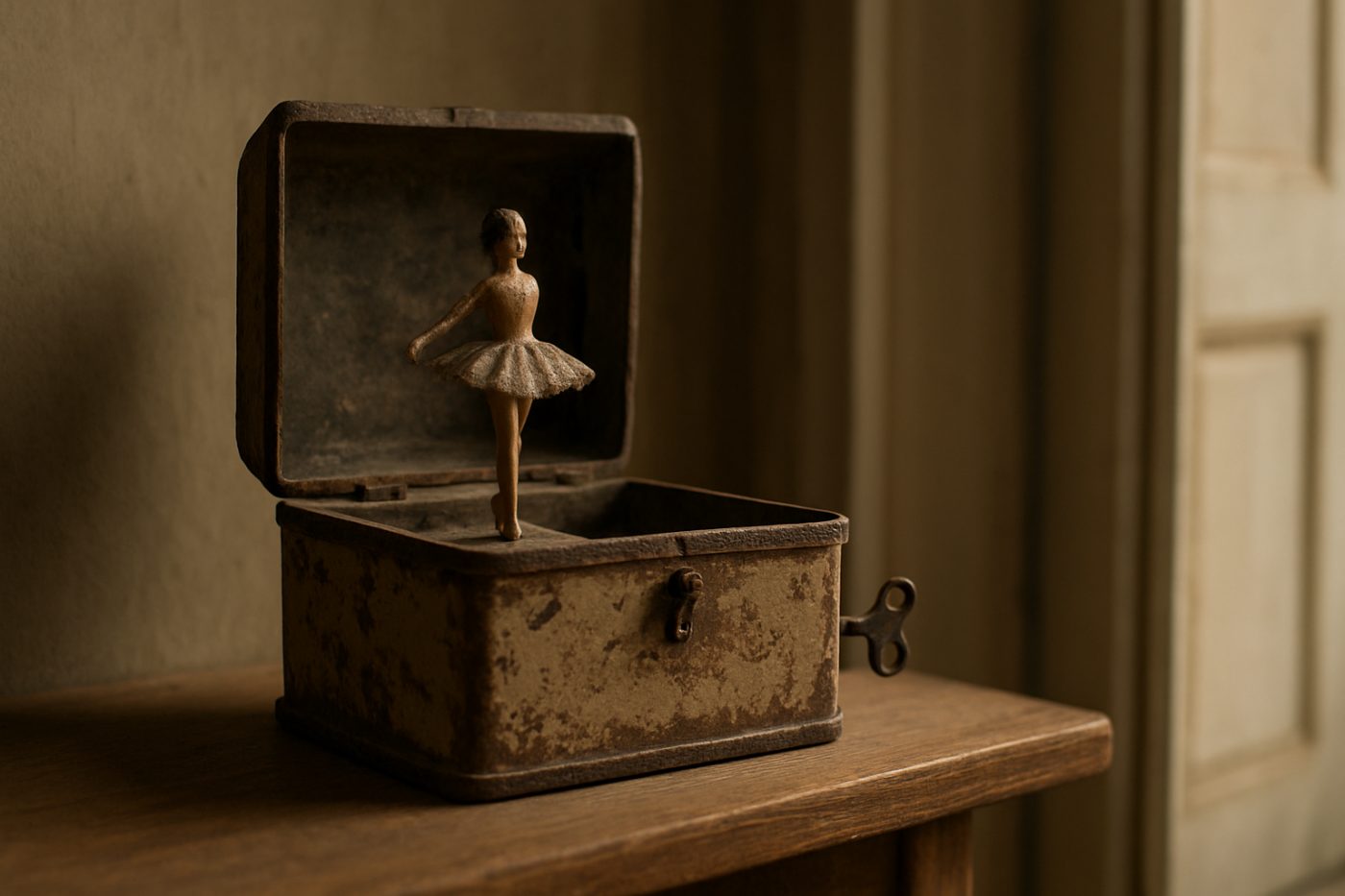
A thrift-shop music box plays a few notes on its own — always the night before a death in the family. Four times now. My wife wants it gone. I'm afraid of what silence would mean.
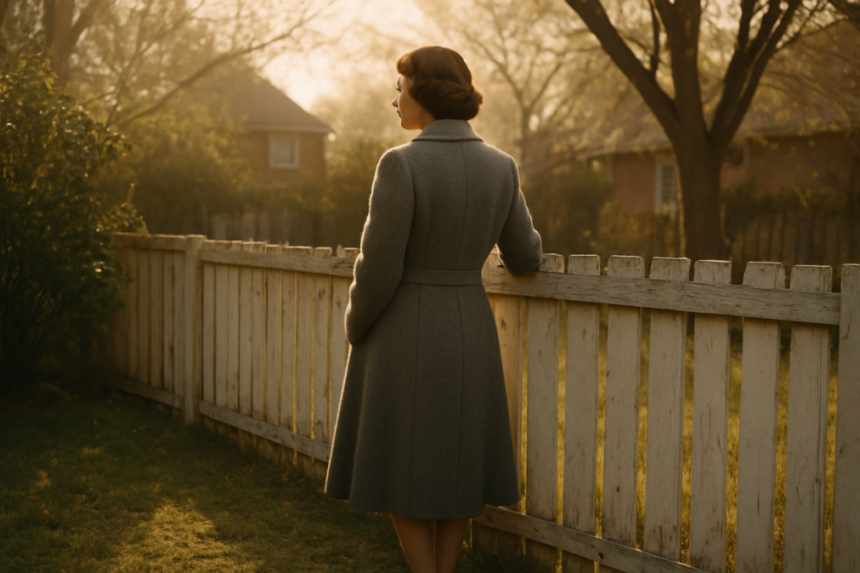
For eighty years my grandmother wore the same gray wool coat and never let anyone take it to the cleaners. When she died we found out why -- there was a letter stitched inside the hem.
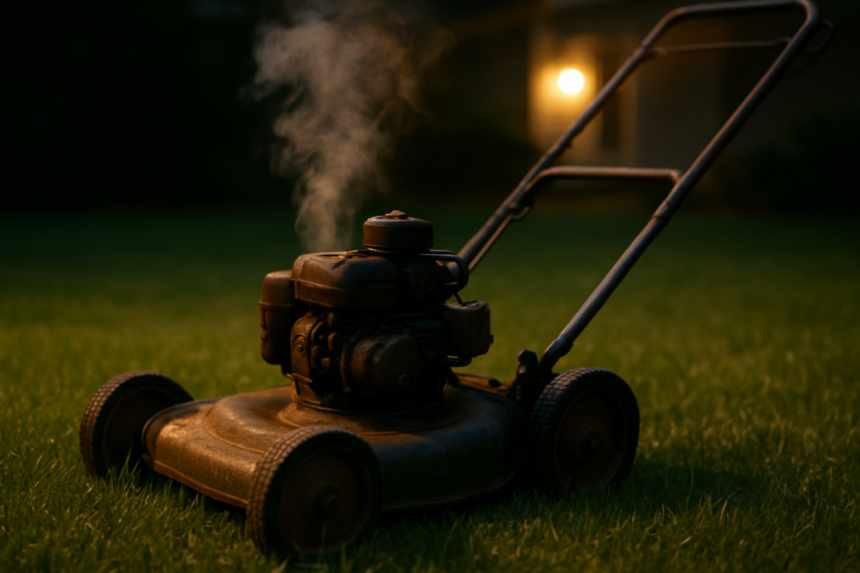
For three summers my neighbor cut his grass in the dead of night. I thought he was just unhinged. Then I found out what the engine noise was hiding, and honestly I miss the mowing.
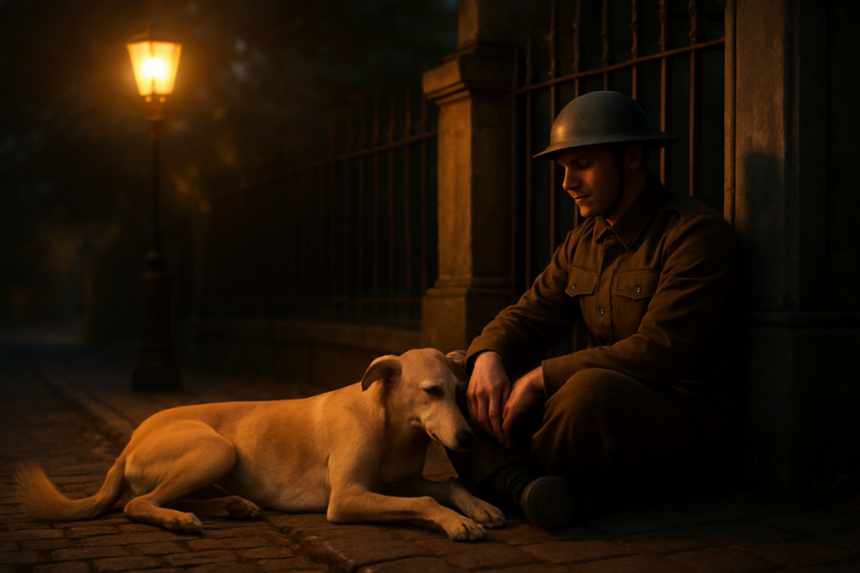
Every guard on that gate for sixty years has heard the same thing at the same hour: claws on concrete, going away from you.
Ten days after the wedding, every guest received an itemised bill — my 'plate, chair rental and ambience share' came to $174, with late fees for non-payment.

I bought a foxed antique mirror at an estate sale. In certain light it reflects a version of my hallway with different wallpaper — and, twice now, a woman's shape hurrying past a door that isn't there.

Fresh flowers. Weeds pulled. The glass jar washed. And nobody in my family does it, because there is nobody in my family left but me.

I was nine. I told my mother a man in a hat came at night. She went white and asked what kind of hat. I have never forgotten her face.