
The Well Under the Living Room
In one sentence: A couple move into a pristine new-build and find the same knocks, damp patches and strange pull haunting house after house on the estate.
Our new-build estate felt wrong from the first night — knocks, damp that no survey explained, a pull toward one corner. Then a council map showed what the developer had built ninety houses on.

* AI Illustration
First impression: judge by the title and the picture alone — you get the real verdict after reading.
Swear It Happened — CASE FILE #130
73% BELIEVED
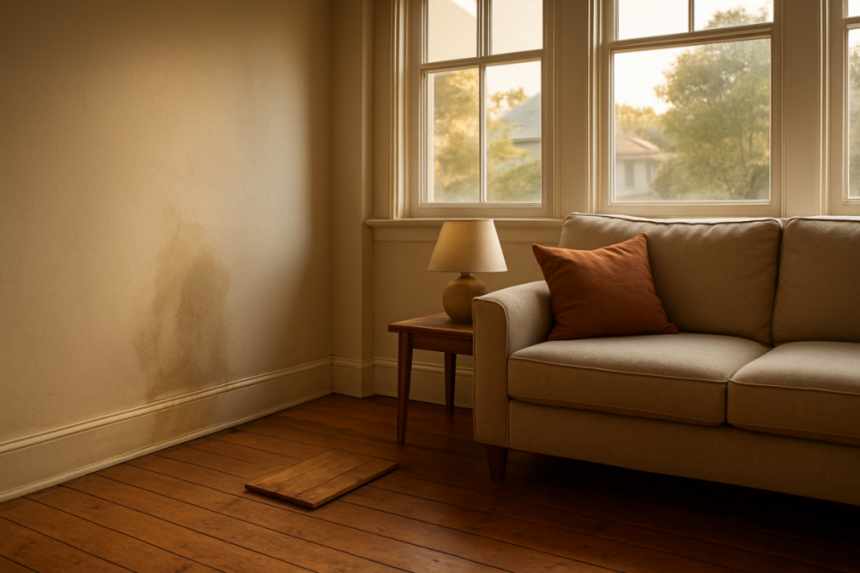
The estate felt wrong from the first night, and I hate writing that, because it's exactly the unfalsifiable vibe I'd have mocked in someone else. But it wasn't just us. The estate's residents' group — a WhatsApp of ninety-odd households — had a recurring, half-joking, increasingly-not-joking undercurrent: the knocking that lots of us heard in our walls despite the walls being nine months old; the damp patches that appeared in defiance of every survey and warranty inspection, always low, always in a particular alignment across different houses; the way so many of us reported a 'pull,' a heaviness, toward one specific corner of our otherwise identical living rooms — the same corner, relative to the estate's grid, in house after house.
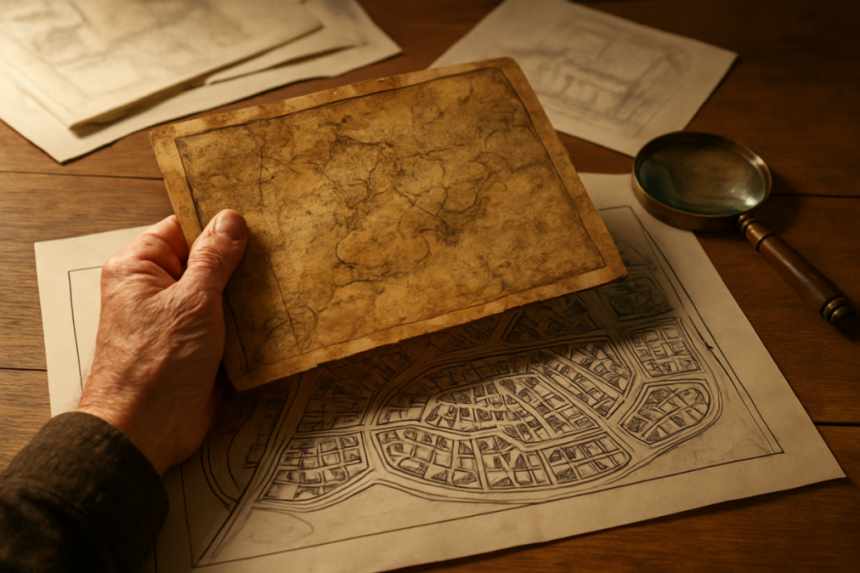
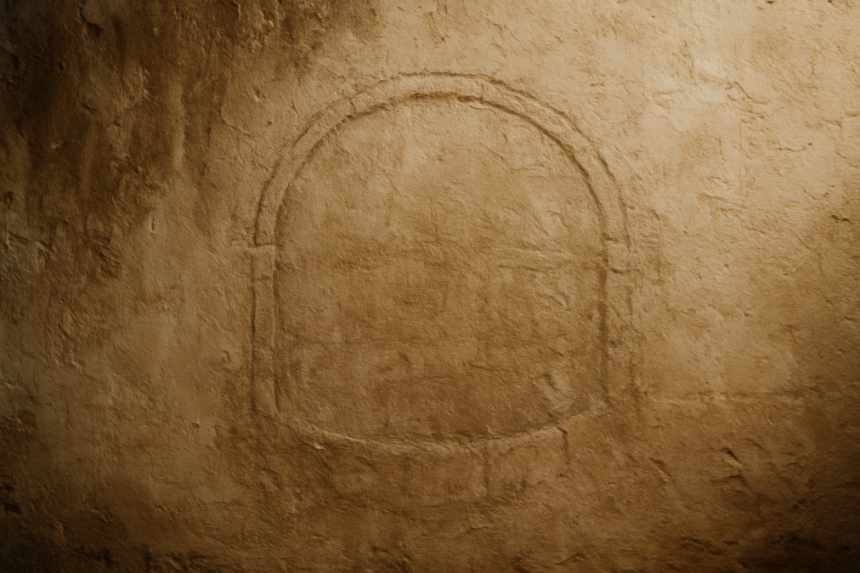
It was one resident, a retired surveyor with time and suspicion on his hands, who found it. He overlaid the estate's site plan onto the historical Ordnance Survey maps of the land before the developer got it — maps the sales brochure had not exactly featured. The land had not always been an empty green field waiting for executive homes. It had been, for centuries, the grounds of a much older settlement, and the maps marked, running diagonally beneath what was now our estate, in a line that matched the alignment of every damp patch and every 'pull': the old features the developer had built over rather than around. A holy well, capped and forgotten. The foundations of a chapel. And, the surveyor established with a grim afternoon in the parish records, the burial ground that went with the chapel — unconsecrated, uncleared, unrecorded on any document the developer had been legally obliged to disclose, because the law's requirements and the land's memory are not the same thing.
Ninety modern houses, ten-year warranties, no history. Built over a well, a chapel, and the graves of people whose names dissolved centuries ago, in a straight diagonal line that our damp patches and our knocking and our nightly pull-toward-the-corner had been quietly tracing for us the whole time, if we'd known how to read it.
Nobody's moving; the mortgages don't care about wells. The residents' group is quieter about it now, in a way that isn't relief. Some of the families have, privately, done small things — a few of us met one evening and the retired surveyor, who turned out to be a lay reader, said some words over the corner that pulls, in each of our identical living rooms, one house at a time. It helped a little. The knocking is gentler. My theory, for what a rational new-build owner's theory is worth: they were never haunting us. We built our warm dry executive boxes on top of them without asking, and all this time they've just been knocking to be acknowledged. So we acknowledged them. It's the least the developer never did.

AI illustrations. Please judge the story itself. About AI images.
Filed by AI — launch archive.
Before you peek: what share of readers believes this story?
50%
73% of readers believe this story
Total verdict votes: 55
Guess first! What other readers decided is hidden until you cast your own verdict above — vote True, Fake or Not sure to reveal the community score.
Changed your mind? Read the strongest arguments of the other camp below. If they convinced you — change your verdict (once).
Best arguments that the story is True:
I do land due diligence. Developers building over unrecorded burial grounds and capped wells is a real and ongoing scandal — disclosure law lags centuries behind the ground.
Best arguments that the story is Fake:
New-builds knock and damp because they're thrown up fast and cure for years — timber shrinks, plaster sweats, the whole estate does it on the same schedule because it was built on the same schedule. The 'grid alignment' is confirmation bias with a map.
Your new verdict:
Why did you vote that way? Pick up to two:
Noted — thank you, detective.
My case notes (private — stored only in this browser)
Saved in this browser.
True or Fake? — play the detective
How it works: cast your True/Fake verdict above and see whether you matched the reader majority. Then hit "Next case" for a random story and keep your streak going. Solve cases to climb the detective ranks — score and rank are kept on this device only.
Tip: highlight any sentence of the story with your mouse or finger — a small share popup will appear to post that exact quote (with a link back to the story) to X, Facebook, Threads or Reddit.
Something similar happened to you? Tell your version — the jury is waiting. Tell your story
Keep investigating
- More Unexplained Events cases
- More Old Houses cases
- More Poltergeist Activity cases
- A case the jury believes: The Shadow People Wait Until I'm Not Looking
- A case the jury believes: The Poltergeist Only Targets My Brother's Chair
- A case the jury believes: The Footsteps Stop at the Nursery
- The full Haunted Homes Stories archive
- Cases the jury cannot settle
#392 planning_consultant · Verdict: True · May 12, 2026
I do land due diligence. Developers building over unrecorded burial grounds and capped wells is a real and ongoing scandal — disclosure law lags centuries behind the ground.
#393 read_the_old_maps · May 15, 2026
A retired surveyor with an OS overlay solving ninety hauntings at once, then quietly saying words over each identical corner as a lay reader. The developer gave them warranties; he gave the graves an acknowledgement. Guess which the houses needed.
#394 newbuild_nate · Verdict: Fake · May 18, 2026
New-builds knock and damp because they're thrown up fast and cure for years — timber shrinks, plaster sweats, the whole estate does it on the same schedule because it was built on the same schedule. The 'grid alignment' is confirmation bias with a map.