
The Twins Speak a Language That Answers Back
Our twins invented a private language, as twins do. But the baby monitor caught them using it at night to talk to a third voice — an adult voice, in the same language, from the empty half of the room.
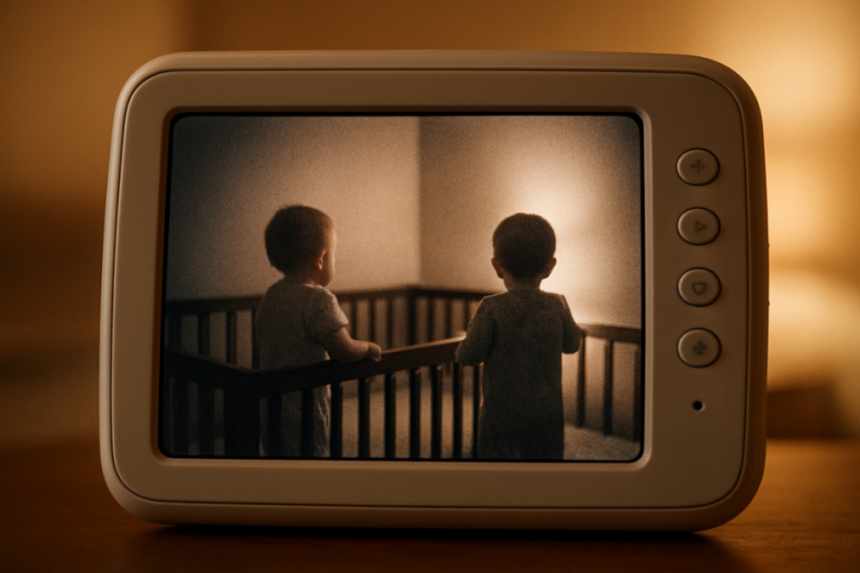
Creepy childhood memories age badly: the scary childhood stories here were harmless at six and became weird childhood memories somewhere around thirty. Childhood is where memory, imagination, and fear blur together, and that uneasy mix is exactly what you’ll find in these first-person accounts. Here, people revisit their early years: uncanny moments in kids’ bedrooms and nurseries, eerie games with invisible friends, strange behavior from siblings, and inexplicable scenes captured by baby monitors and cameras. The storytellers describe creepy family rituals, odd coincidences at gravesites, and unsettling encounters at the edge of sleep, all told as they remember them.
Every narrative on this page is a personal recollection, not a verified report, and the mystery lies in what you choose to believe. Some episodes feel like innocent make-believe; others read like hauntings that began before the writers could even speak. Read the stories, decide how real they feel, and cast your vote.
Our twins invented a private language, as twins do. But the baby monitor caught them using it at night to talk to a third voice — an adult voice, in the same language, from the empty half of the room.
My five-year-old, terrified of a specific low droning sound, explained calmly one day: 'That's the planes that come at night. We go under the stairs. My other mum holds the little one.' We have no stairs. He has no siblings.
Visiting a war cemetery abroad, I got lost among thousands of identical stones and stopped at random to rest. The name in front of me was my own surname — my great-uncle, whose grave we'd never found.
Our cat vanished for nine days. On the ninth night my six-year-old woke and said, 'Marmalade is in the man's shed with the red bikes.' Two streets away, a stranger's shed, exactly that.
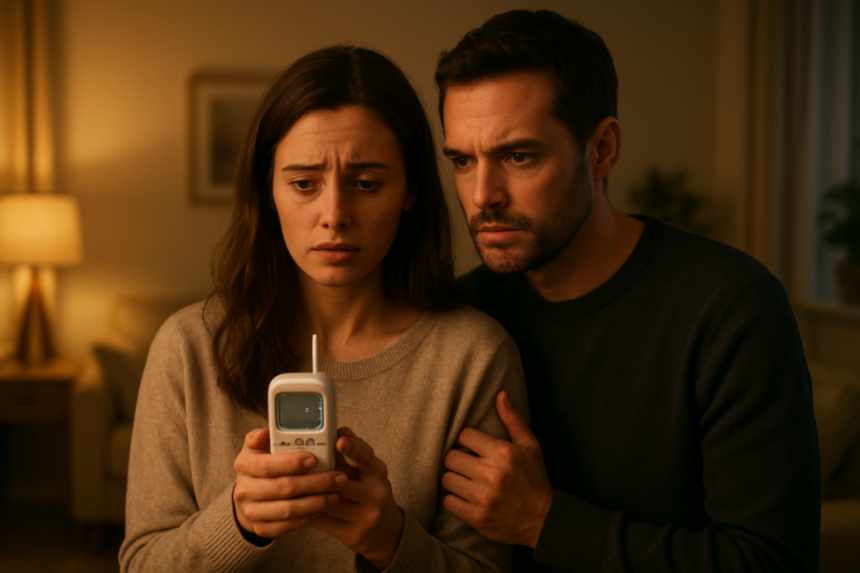
Our monitor, tuned to the nursery, catches a woman softly singing a lullaby — every night, from a frequency that isn't the nursery, in a house where the only other person is my husband, who can't sing a note.
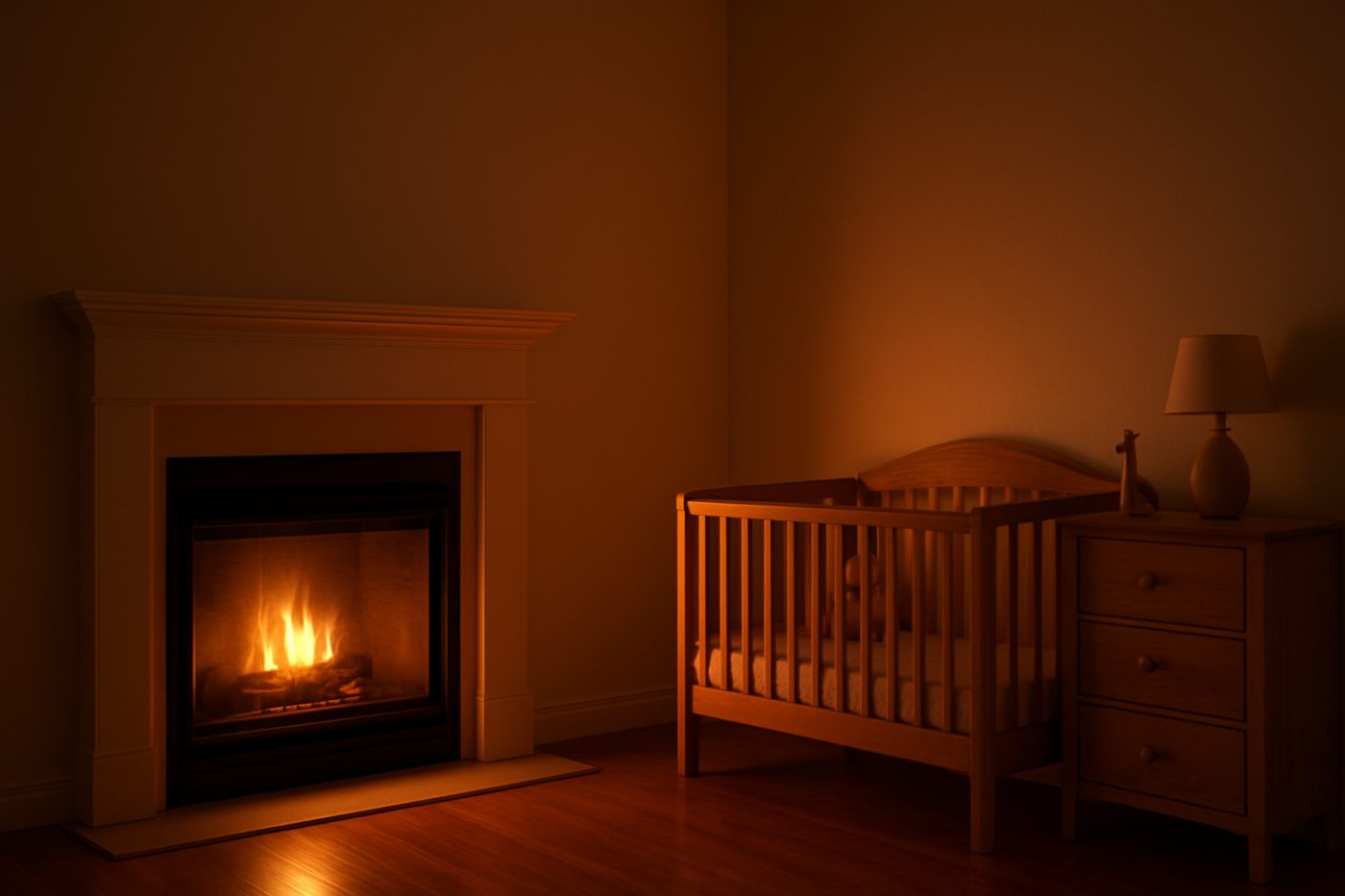
Our two-year-old chats happily to an empty corner of the nursery — a nursery that, we learned only after buying the house, was the room a child died in, in a fire, in 1931.
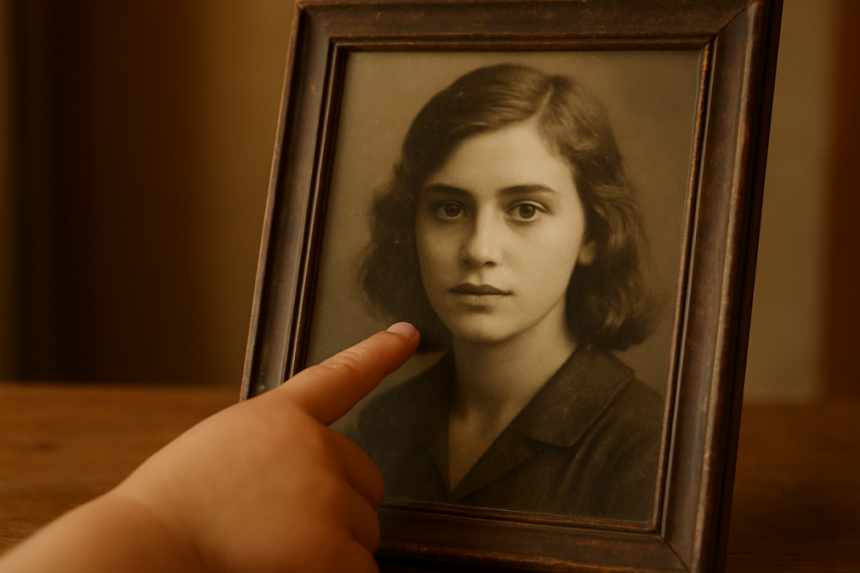
My four-year-old flips through the family album naming people correctly — including relatives who died before he was born, whom we've never named to him, in one case using a nickname lost for fifty years.
The old house came with a story about a cat. We laughed it off — until our newborn started sleeping through the night, and the motion camera caught a small shape circling her crib.
Someone knocked our family's private pattern — three slow, two quick, the knock my late father invented — on a door he never lived behind, in a city we moved to after he died.
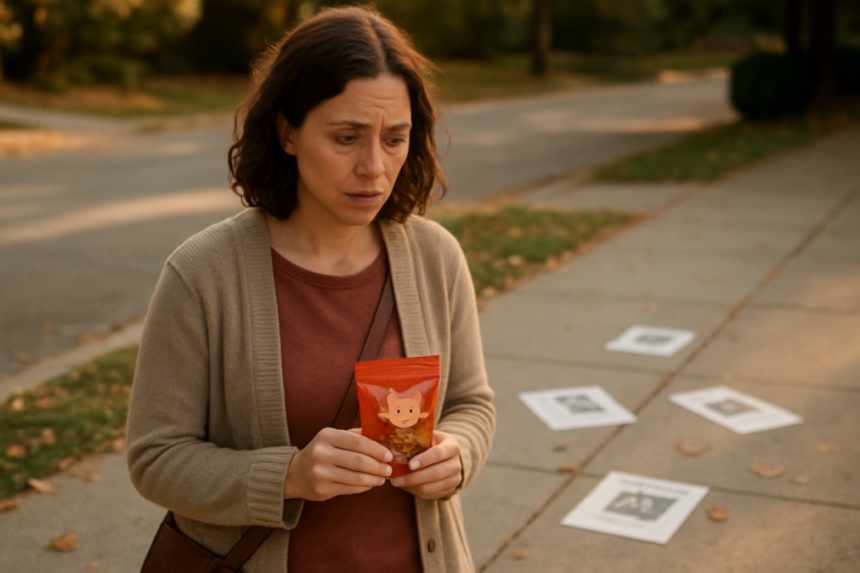
Every morning at 7:40 an elderly man photographed our house with a film camera — and when we finally asked why, his answer emptied the street under our feet.
Between number 14 and number 16 there is a garage. In her drawing there is a house, with a red door, and a woman in the window.
It lasted six weeks. Their mother thought it was a game. On the last night, one of them cried and said, "I want to go back."
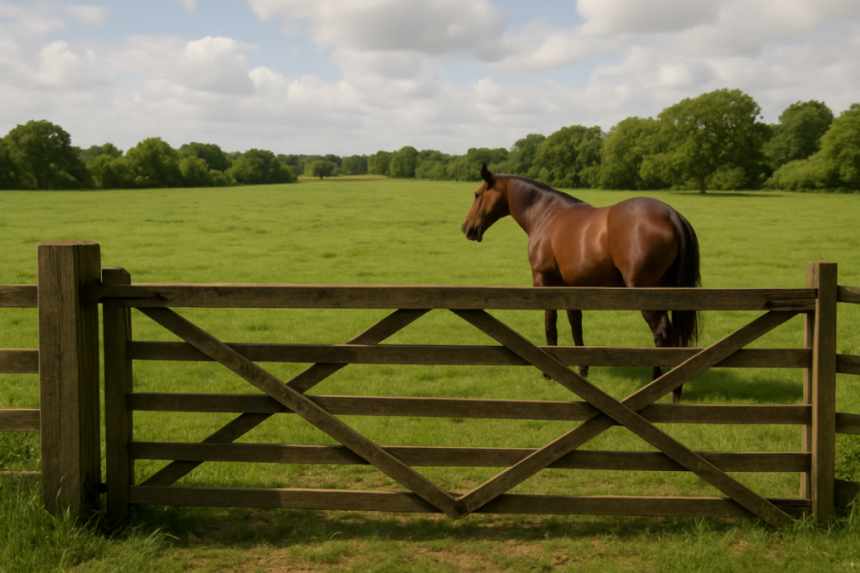
A field, a gate, and a horse that will not look at you. She described it before I ever said a word about it.
My family swears that before I had proper words I hummed a song in a tongue none of us spoke, and cried for a woman I called by a name that turned out to be real. This is what they told me, and what I found.
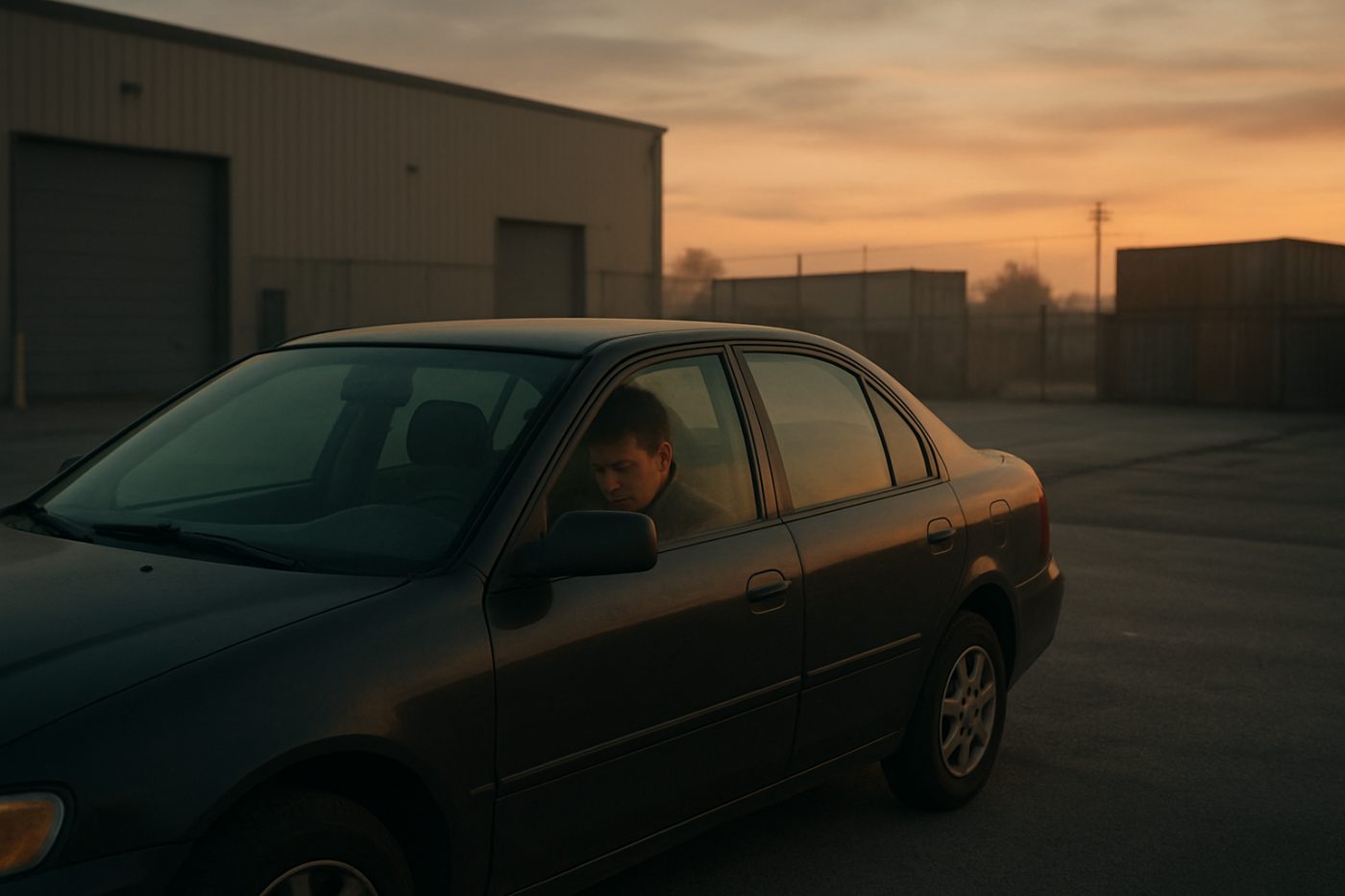
Alone in a warehouse night booth, I noticed a camera turning to follow me across the empty floor. No one was in the control room. Then it tilted down, toward my booth, and the intercom clicked on.
I was nine. I told my mother a man in a hat came at night. She went white and asked what kind of hat. I have never forgotten her face.
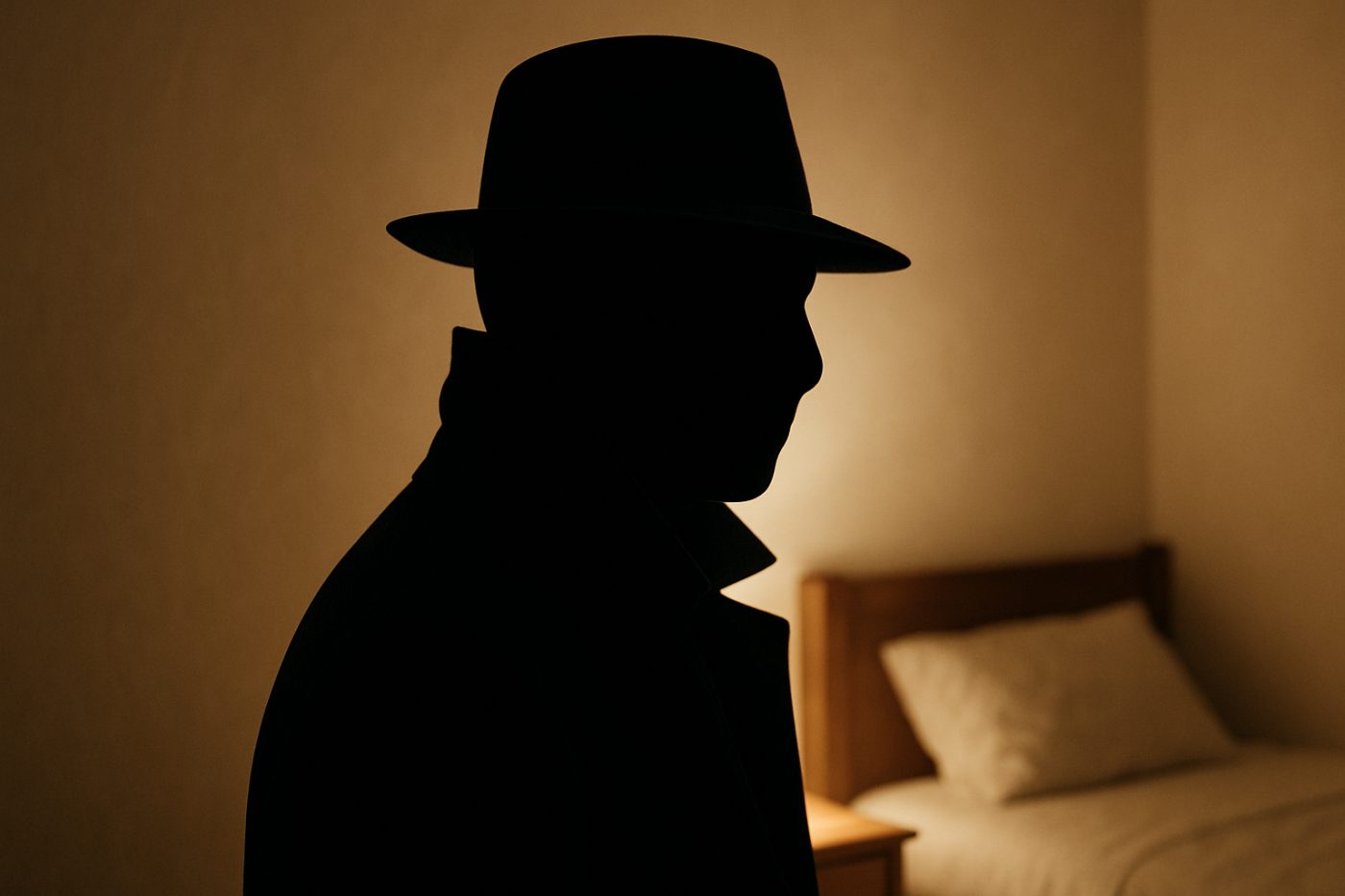
He had done forty years. He was not superstitious. He had a list, and the list was in the back of his diary, in pencil.
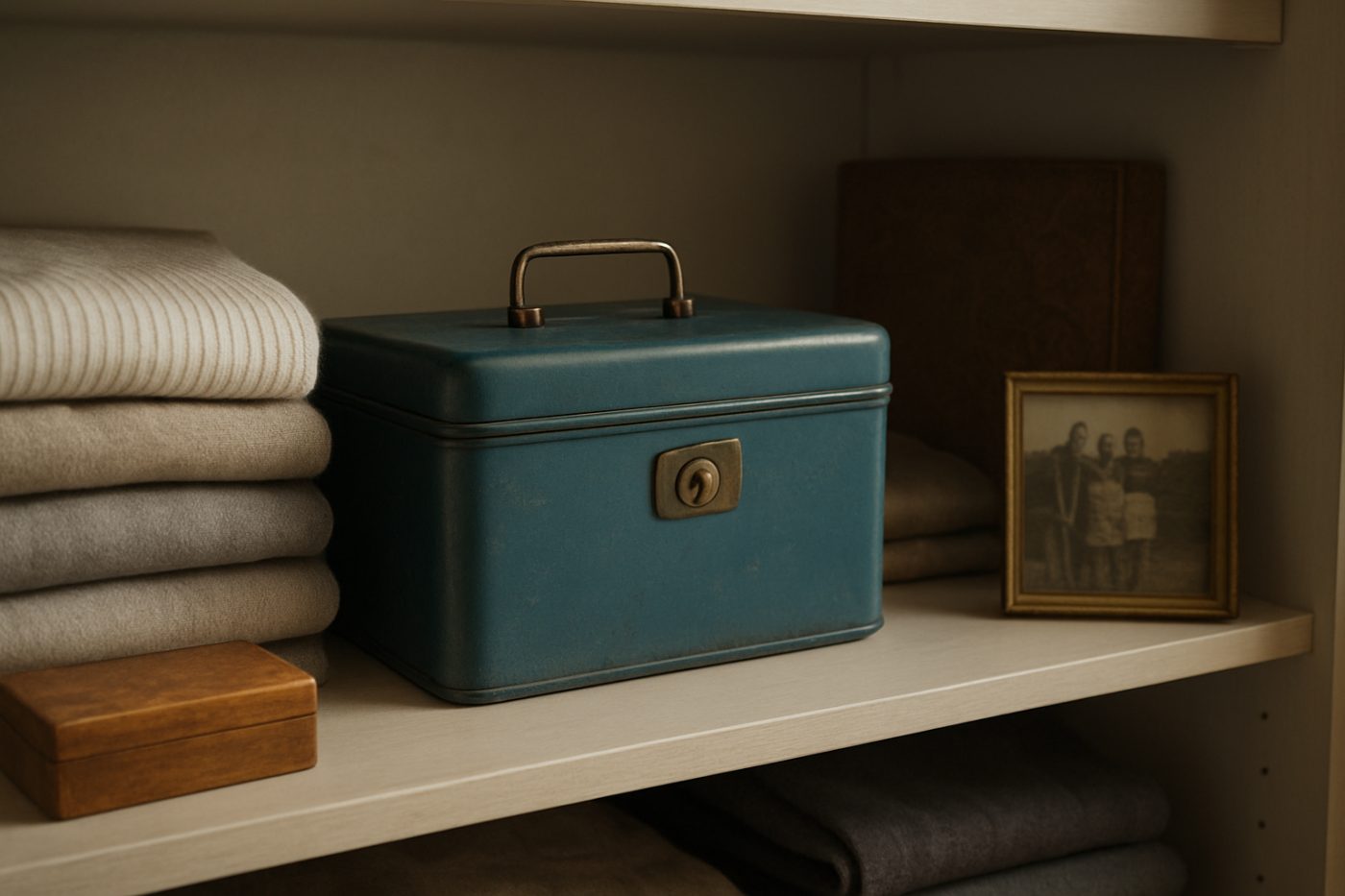
At the end, my grandmother gripped my hand and whispered that my mother could never have children, and that I had been "chosen," and to check the blue box in her closet. My mother has never confirmed it.
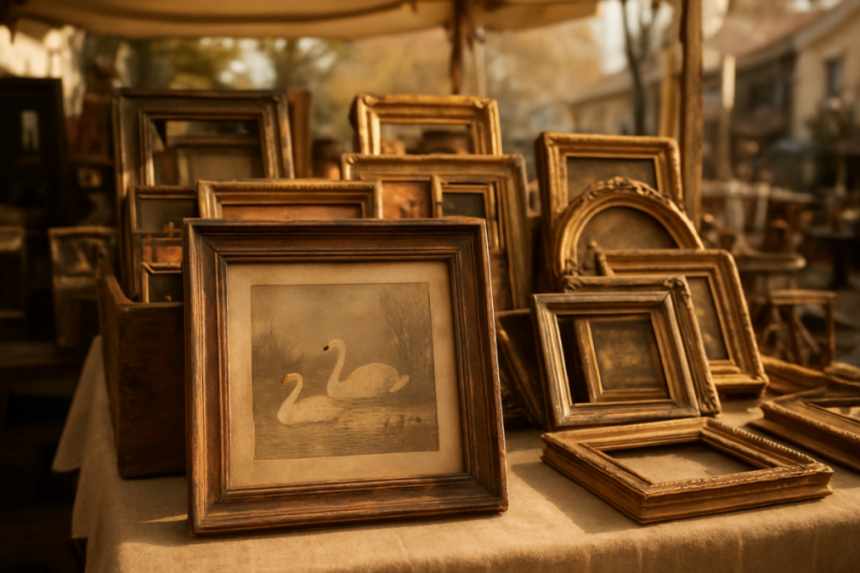
At a flea market three hundred kilometres from my childhood, I bought an old frame — and found, used as its backing paper, a crayon drawing signed by six-year-old me.
After my mother died we sold her house. On the final walkthrough, in the stripped and empty living room, the whole family stopped at once: her perfume, thick in the air, in a house with nothing left in it.

Scary childhood stories are always told twice — once by the child, once by the adult. Almost everything here is written by an adult reconstructing something from decades away, and the interesting question is what survived the journey. The details that hold up are sensory and dull: the pattern on a carpet, the smell of a hallway, the exact height of a door handle. The details that drift are the ones a family has retold at dinner for twenty years, picking up polish each time. Psychologists are blunt about this — early memory is rebuilt rather than replayed, and a photograph seen at seven can quietly become a recollection by thirty. Several narrators say precisely that before going on to describe the part they still cannot place.
Companions nobody else could see have their own file under imaginary friends, while the versions handed down by relatives sit in family legends. The strongest childhood submissions include what an adult in the house said at the time — a note, a letter, a remark repeated back years later. Outside corroboration is what shifts a verdict.
Many unusual memories from early years can be explained by normal brain development, misinterpretation, or later storytelling, but some people remain convinced their experiences were real. On this site, writers share detailed first-person accounts and a reader jury votes on whether each one feels truthful, which lets you compare your own reactions to how others judge them.
Young children have vivid imaginations, dream more intensely, and are still learning to separate fantasy from reality, so they may describe things adults interpret as ghosts. Sometimes they are processing stress, grief, or new information; reading the stories here and the jury’s verdicts can show how differently people interpret the same kind of report.
Many people report eerie early memories tied to a particular bedroom, hallway, toy, or photograph, often resurfacing later in life. While there’s no precise data, the number of similar submissions and recurring themes on this site suggests such memories are far from rare, even if the causes vary.
Yes, memory is reconstructive, especially in early life, so details can shift over time or be influenced by family stories, dreams, or movies. Comparing your own recollections to the diverse accounts here—and seeing how the jury judges their believability—can help you think critically about what might have changed in your mind.
Siblings grow up in the same environment, so they notice the same noises, stories, and family tensions, which can lead to matching spooky interpretations. Sometimes they co-create a shared narrative over years; when similar joint experiences appear in the stories here, the jury votes often reflect how convincing that shared memory feels to outsiders.
First, stay calm and listen carefully without mocking or escalating their fear, and gently ask questions about what they saw or felt. Then consider ordinary explanations—lighting, sounds, media they’ve consumed—while taking their emotions seriously; you can also browse similar accounts and jury reactions here to see the range of ways families have handled it.
Recurring dreams often reflect stress, development, or powerful emotions rather than anything otherworldly, though they can feel intensely real and symbolic. People sometimes submit stories where recurring dreams line up with real events, and the jury votes can show how readers weigh coincidence against a supernatural explanation.
A few families report kids talking about other lives or “old” memories in striking detail, but there is no scientific consensus that these are genuine past-life recollections. On this site, some narrators share such experiences and invite readers to scrutinize them; the jury votes capture how divided people are between psychological and paranormal interpretations.