Grandfather's Handwriting, Aisle Three
In a secondhand bookshop two countries from home I opened a battered novel to find marginalia in a hand I knew — and a name, rank and date that made the shop go quiet.
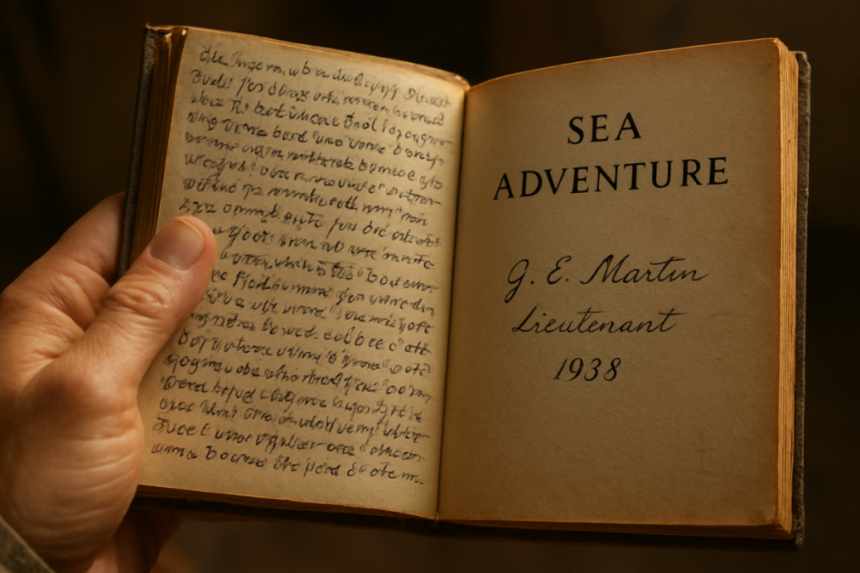
In a secondhand bookshop two countries from home I opened a battered novel to find marginalia in a hand I knew — and a name, rank and date that made the shop go quiet.
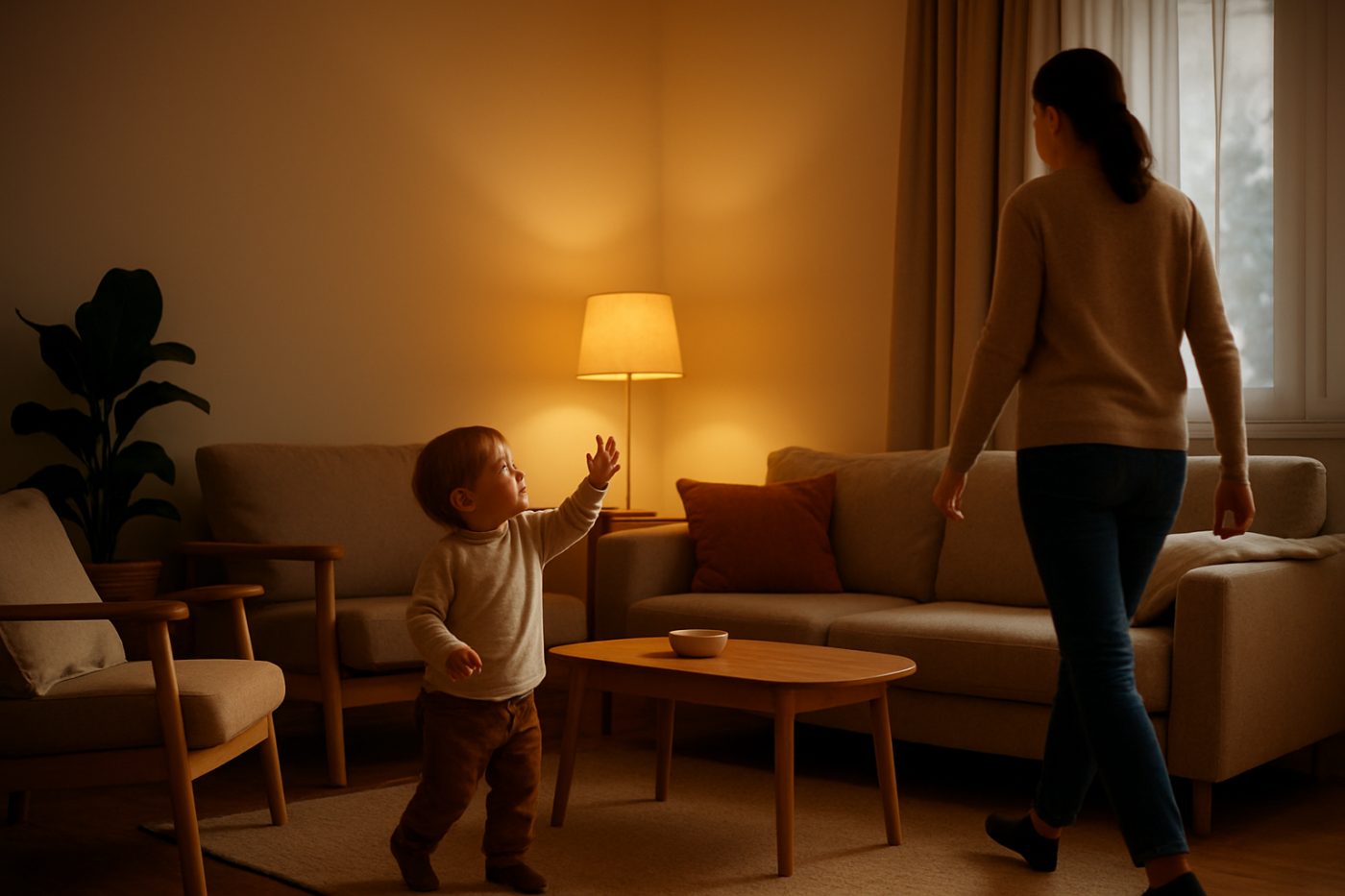
My four-year-old refused to sleep, saying the man in the attic was waiting to be let down. We had no attic access in her room. When we finally opened the old sealed hatch, we found a small chair facing it.
My mother's wedding band vanished in 2003 somewhere in our garden. Twenty years later my daughter pulled a carrot for a school project — wearing the proof around its middle.
The monitor in our new apartment kept picking up a voice that was not us — a soft, patient voice that used our son's name before we had told a single neighbour what it was.
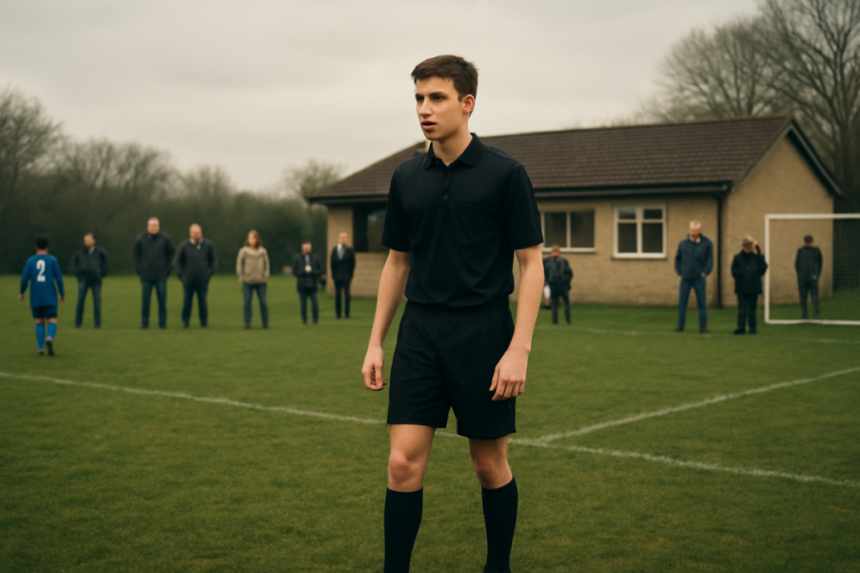
The referee was fifteen. He was doing it for six pounds and a sausage roll. The dad wrote a two-page letter to the county FA.
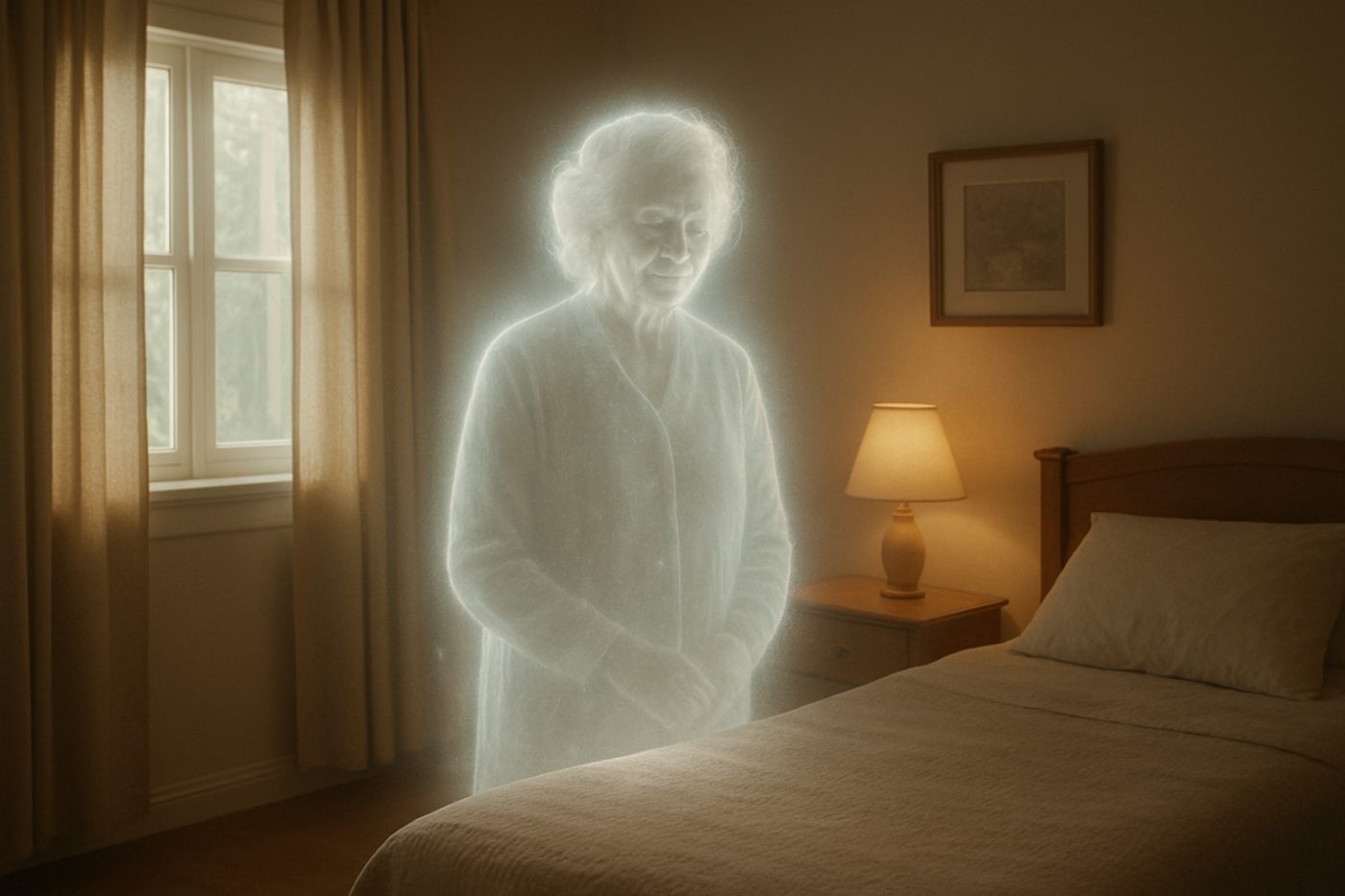
The night my grandmother died two time zones away, she visited me in a dream, sat on the edge of my bed, told me she was proud of me, and said not to be sad. The call came at dawn.
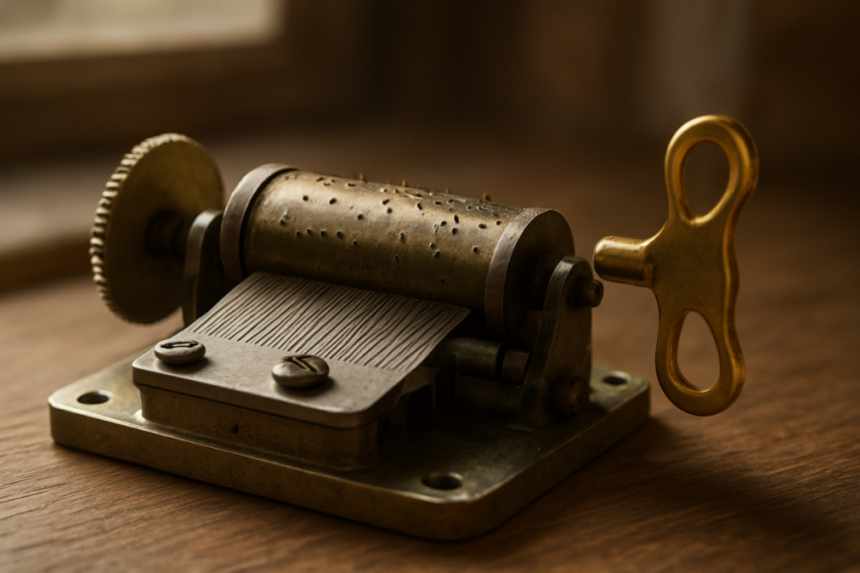
My aunt left me a music box she warned me never to let finish its song. I laughed. It began playing on its own at night, from a locked drawer, always stopping one note before the end, as if waiting for me to let it.
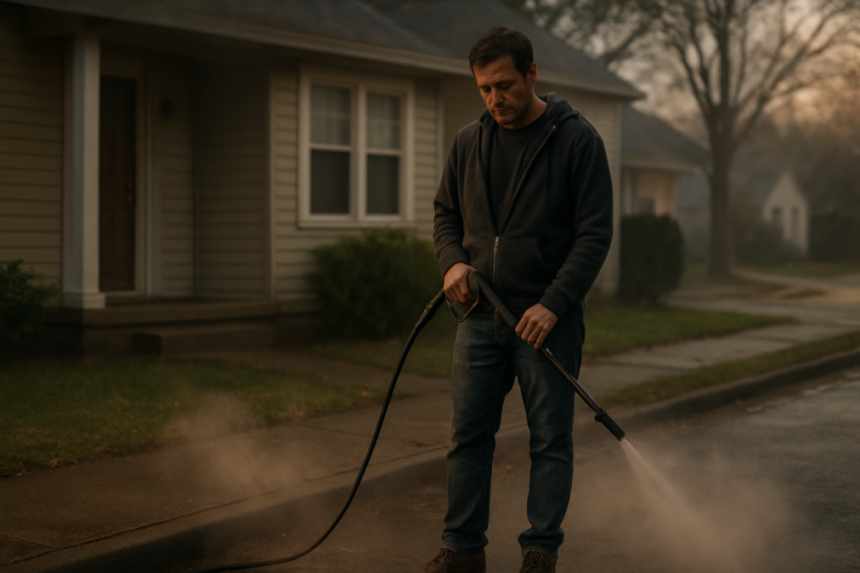
Rule 14(c): no "temporary surface markings" on shared paths. Enforcement: a man with a pressure washer and a grudge, at 7am, on a Saturday.
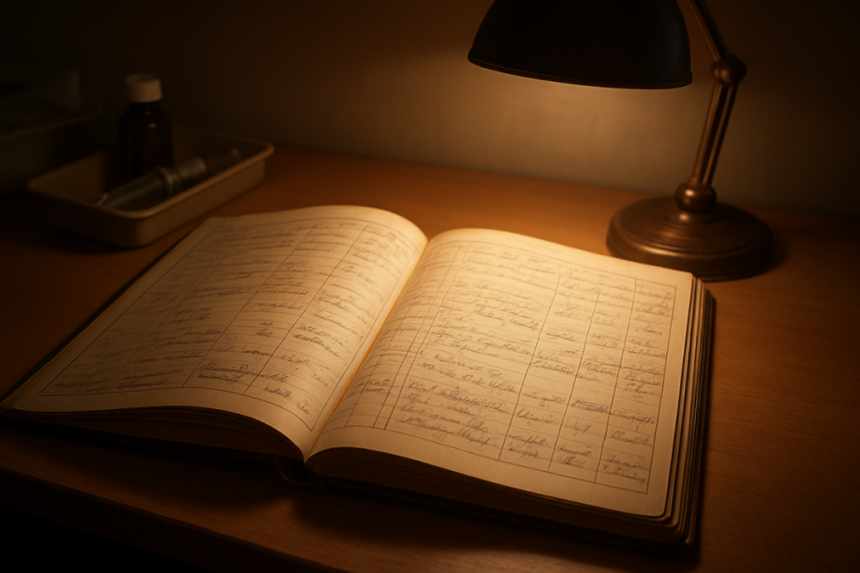
On night rounds I heard talking from room 4, a room closed for renovation, no bed, no patient. A voice thanked me for coming. I checked the log: the last patient in room 4 had died there years before.
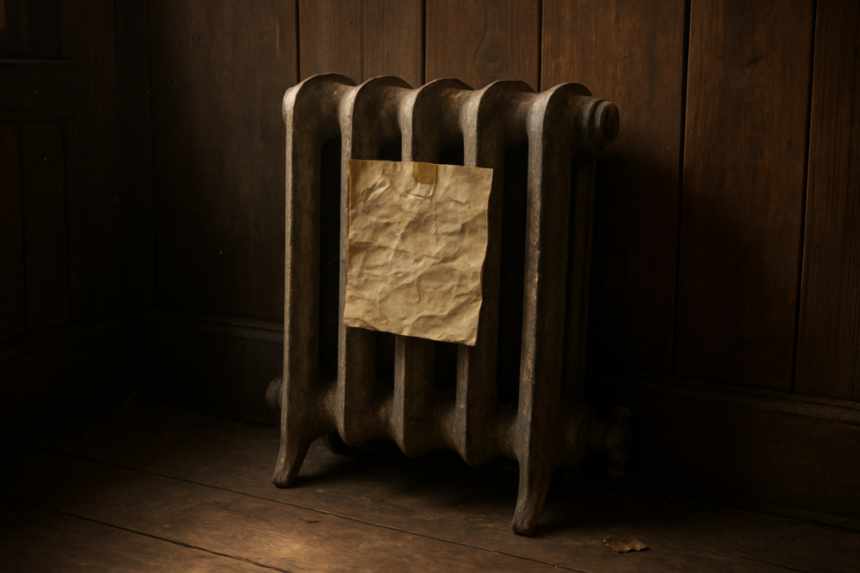
Renovating, I pulled off an old radiator and found a folded note taped behind it. In shaky handwriting: "If you are reading this, do not sleep in the back bedroom. I am sorry. I could not sell it any other way."
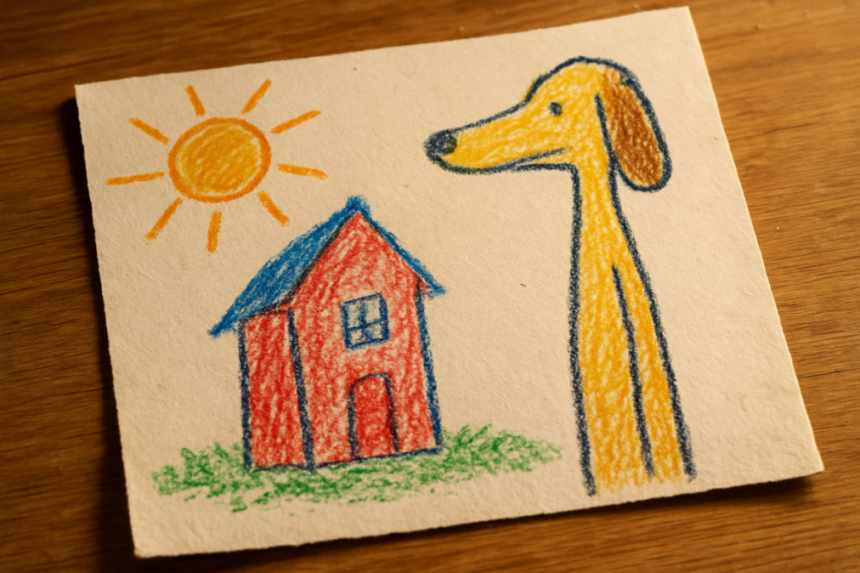
She called it "the tall dog that stands like Dad". I laughed. Six months later I met it on the school road and I stopped laughing forever.
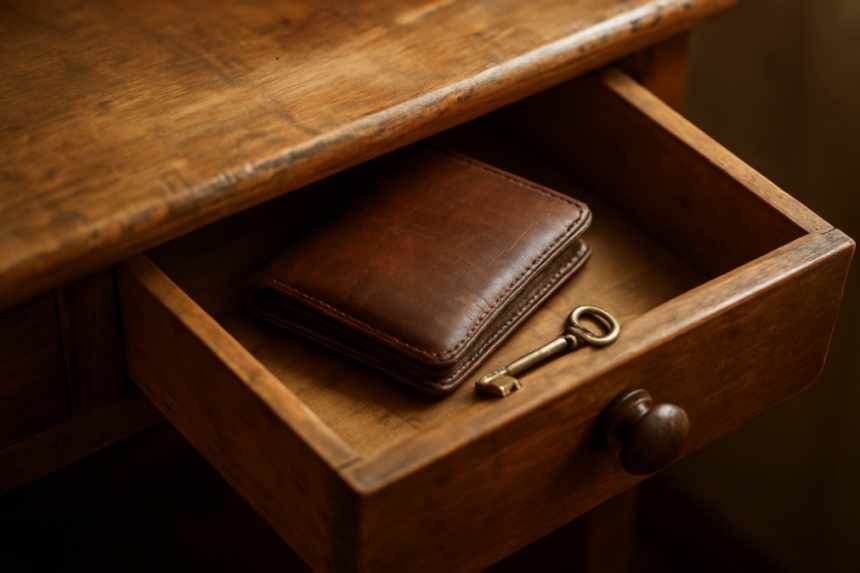
My father kept one desk drawer locked my whole childhood. After he died I finally opened it. Inside: a second wallet, a second ID with his photo and another name, and a key to an apartment across town.
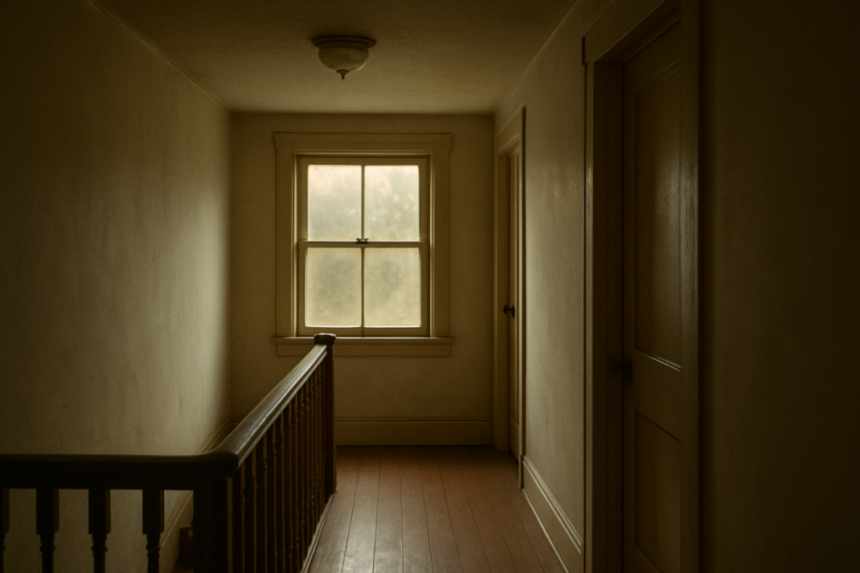
Visiting my childhood home's new owners, I 'remembered' a crawl-space cupboard in a hallway wall — one that wasn't there. They cut the wallpaper. It was there.
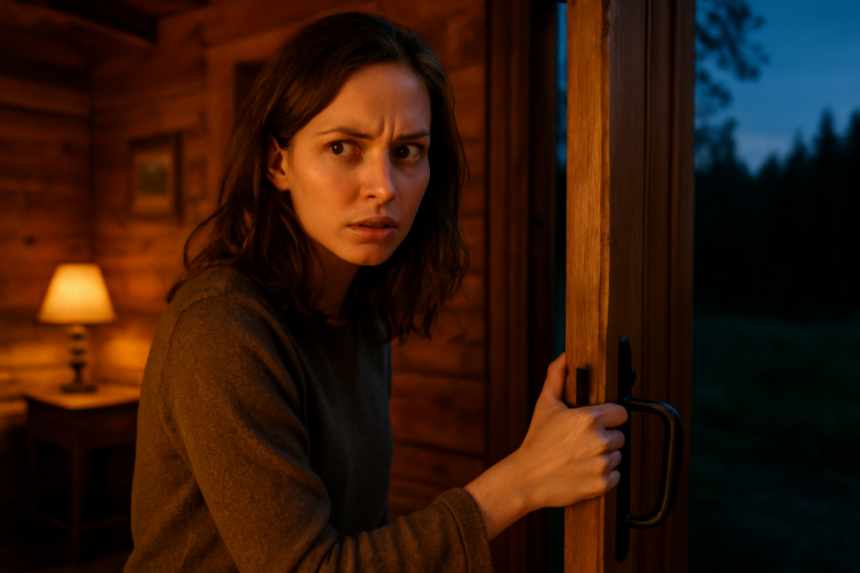
It called me from the treeline in her voice, and it said the right name, and then it said "come out here" — and my sister has never in her life said "out here".
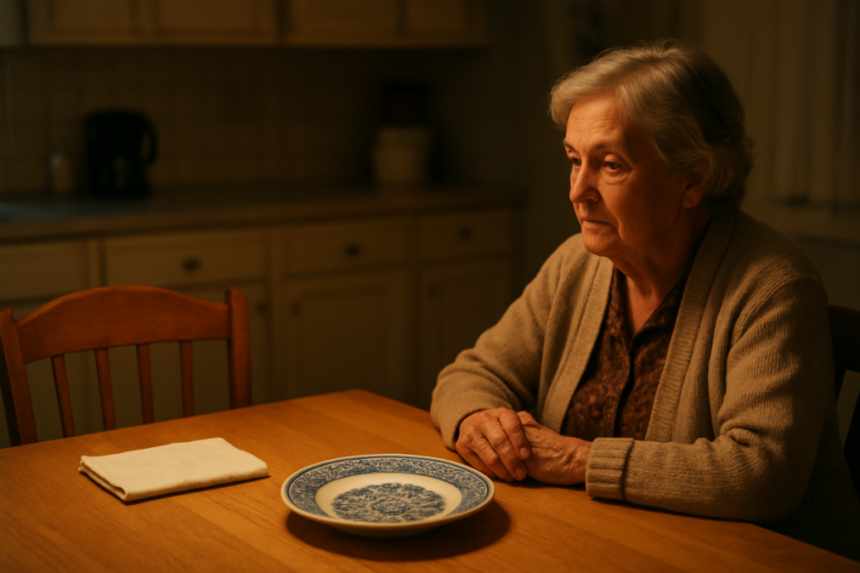
Every Sunday of my childhood my grandmother laid an extra place setting and would not say who it was for. I only understood the year I turned nine, and I have never told anyone why.
A year after my dad passed, I dreamed him standing at the bottom of the basement stairs, saying "not tonight, not those stairs." I skipped them the next morning. The top step had come loose overnight.
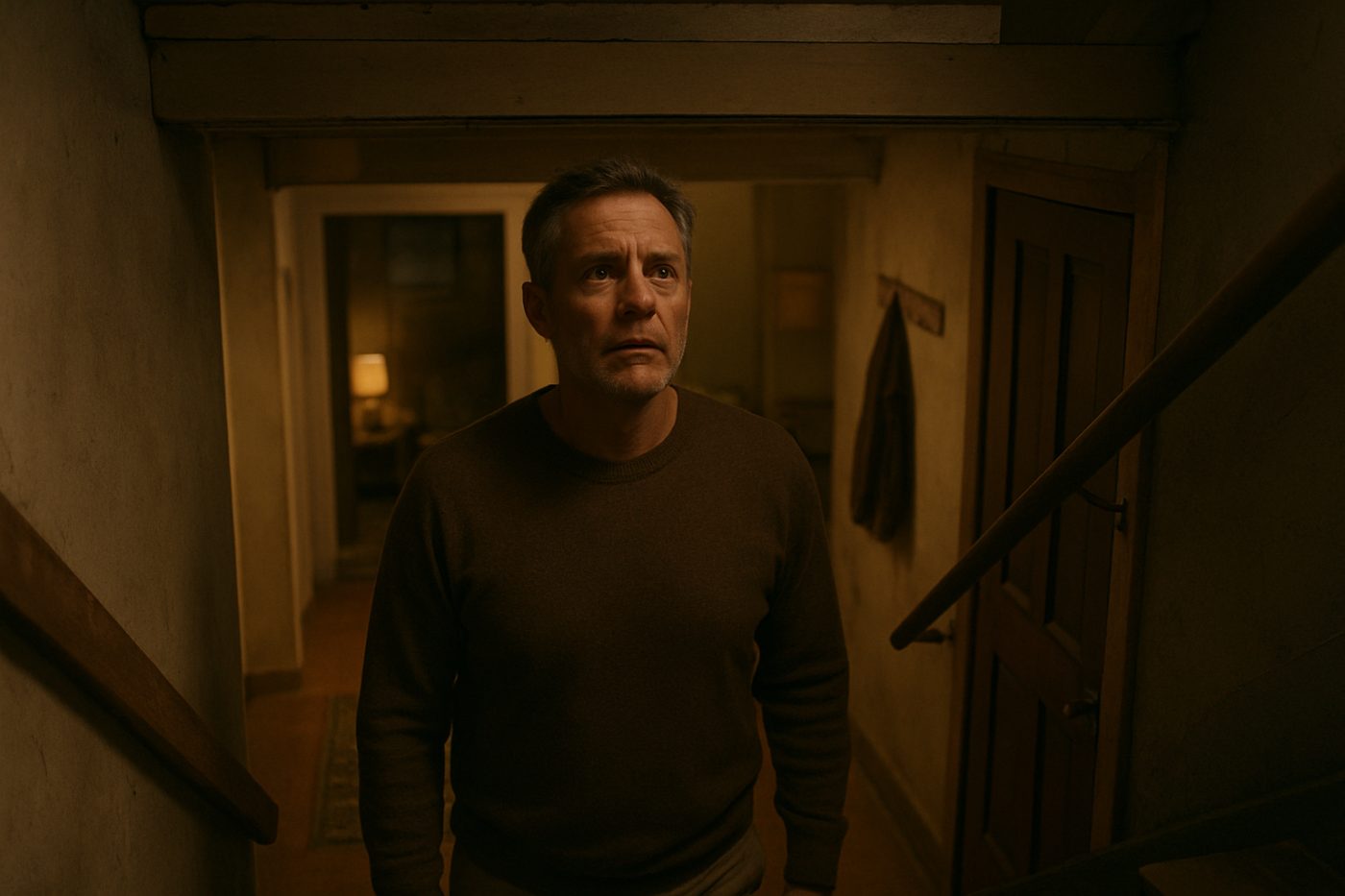
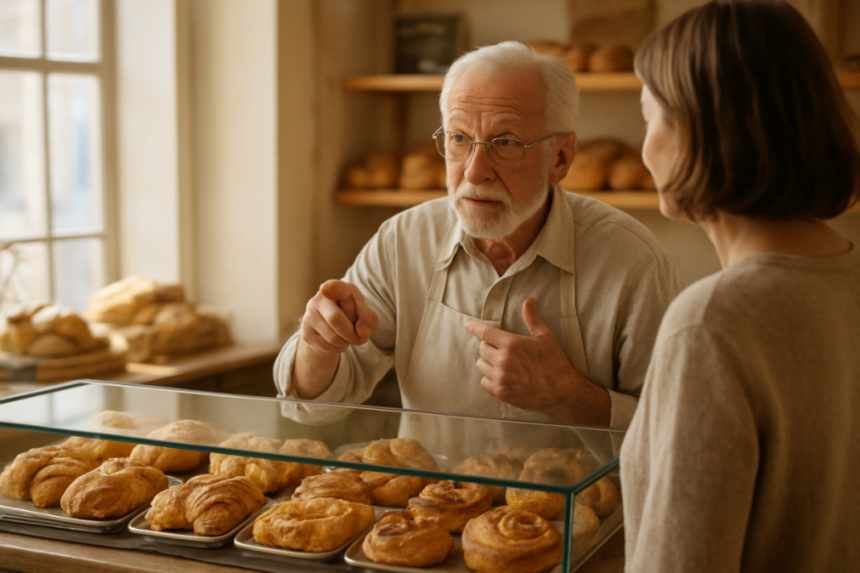
I led my wife through back alleys of a city I'd never visited, to a bakery I predicted two streets early — my feet knew a route the rest of me had never learned.
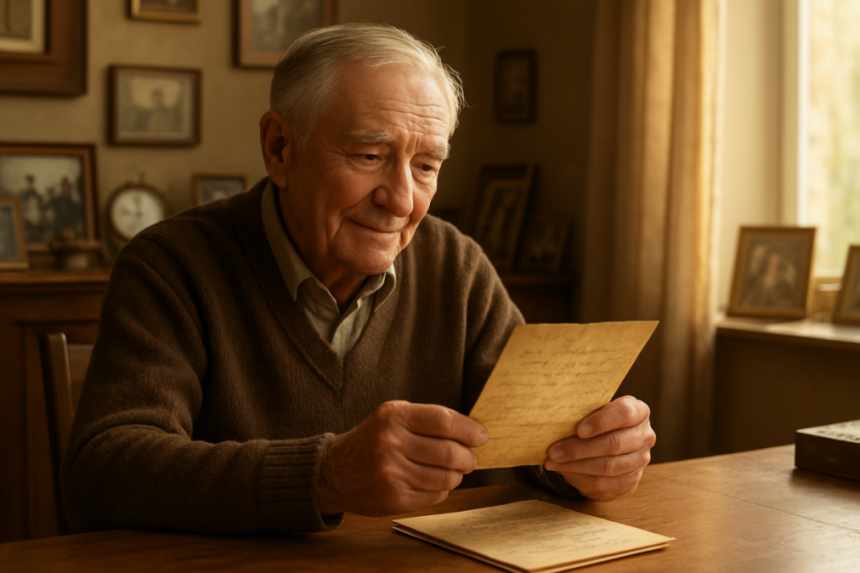
For 'Grandpa's birthday in heaven', my daughter drew a house — green door, crooked chimney, a swing on the left. His childhood home, demolished in 1969, unphotographed in our family.
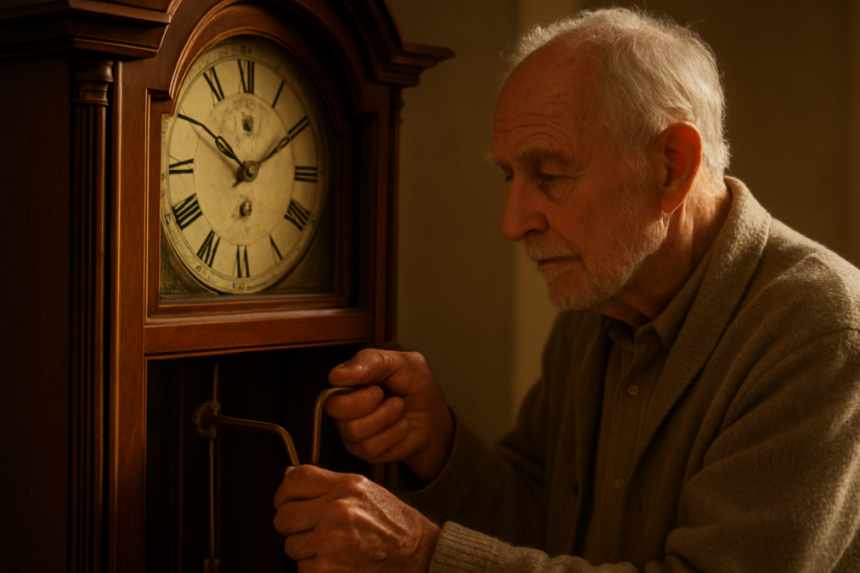
The hallway clock my grandfather wound daily stopped at 4:52 — we learned by phone he'd died at 4:50. It refused repair for a year, then restarted on its own, the morning my daughter came home.
Two weeks after we buried Rooster, I heard his tags jingle down the hall and felt him jump onto the foot of the bed, exactly the way he had for nine years.